
The Euphemism Treadmill: Maintaining Compact Walking Pads for Longevity
Discover how the fitness industry's euphemism treadmill rebranded treadmills as walking pads, and learn expert maintenance tips to extend their lifespan.

The Fitness Industry's 'Euphemism Treadmill': Why We Call Them Walking Pads
In linguistics, the 'euphemism treadmill' is a concept popularized by cognitive psychologist Steven Pinker, describing the cycle where a polite term inevitably absorbs the negative connotations of the concept it describes, forcing society to invent a new euphemism. As Merriam-Webster notes in their linguistic analysis, this cycle is relentless. But in 2026, we are witnessing a fascinating, literal manifestation of the euphemism treadmill in the home fitness equipment market.
For decades, the word 'treadmill' carried heavy baggage. It evoked images of massive, joint-jarring, space-hogging beasts with loud motors that dominated living rooms and frequently ended up as expensive clothes hangers. To bypass this consumer fatigue, the fitness industry rebranded compact portable cardio equipment. They stopped calling them treadmills and started calling them 'walking pads,' 'under-desk steppers,' 'smart stride mats,' and 'desktop runners.'
However, no matter what marketing euphemism is printed on the box, the mechanical reality remains unchanged: these are still treadmills. They feature a continuous belt driven by a motor over a deck. Because they are compact and portable, they are actually more vulnerable to mechanical failure than their full-sized counterparts. Understanding how to maintain these specific portable cardio options is the difference between a machine that lasts five years and one that burns out its control board in five months.
Expert Insight: The primary reason compact walking pads fail prematurely is not user weight, but thermal throttling and friction. A 1.25 HP motor in a sealed, low-clearance chassis generates immense heat. Without strict maintenance protocols, the PWM (Pulse Width Modulation) motor controllers fry long before the belt wears out.The Hidden Vulnerabilities of Compact Portable Cardio
When you purchase a compact portable treadmill, you are accepting specific engineering compromises. To achieve a slim profile (often under 6 inches thick) and a lightweight frame (under 60 lbs), manufacturers must use smaller rollers, thinner decks, and micro-motors. According to the CDC's physical activity guidelines, adults need at least 150 minutes of moderate-intensity aerobic activity weekly, which translates to roughly 2.5 hours of walking pad usage per week. Over a year, that is 130 hours of continuous friction and heat generation on miniaturized components.
Unlike traditional treadmills that feature easy-access motor hoods, adjustable rear rollers with standard hex bolts, and thick phenolic decks, many modern walking pads are designed with planned obsolescence in mind. They use sealed bearings, proprietary belt loops, and ultra-thin MDF decks that warp under humidity. To break the cycle of disposable fitness gear, you must implement a rigorous, proactive maintenance schedule.
Essential Maintenance Protocols for Under-Desk Treadmills
Forget the generic 'wipe down after use' advice. Extending the lifespan of a compact walking pad requires mechanical sympathy and precise adjustments. Here is the expert-level maintenance framework for portable cardio equipment.
1. The 40-Hour Silicone Lubrication Rule
Most entry-level walking pad manuals suggest lubricating the belt 'every three months.' This is dangerously vague and ignores usage volume. Friction between the PVC belt and the wooden/MDF deck creates heat, which directly transfers to the motor, forcing it to draw higher amperage to maintain speed. This is the leading cause of control board failure.
- The Fix: Use only 100% pure liquid silicone oil (never aerosol sprays or petroleum-based WD-40, which will melt the PVC belt).
- The Schedule: Lubricate every 40 hours of active use. If you walk 30 minutes a day, 5 days a week, you must lubricate the deck every 16 days.
- The Technique: Loosen the belt slightly, lift the edge, and apply exactly 15ml of silicone in a zig-zag pattern down the center of the deck. Run the machine at 1.0 MPH for 3 minutes to distribute the oil evenly.
2. Belt Tension and the 'Quarter-Turn' Alignment
Compact treadmills lack the heavy-duty tracking systems of commercial gym equipment. If the belt drifts to the left or right, it will fray against the side rails within weeks, rendering the machine unusable. Furthermore, a belt that is too tight will strain the micro-motor, while a loose belt will slip underfoot, creating a severe safety hazard.
- Test the Tension: With the machine off, lift the belt from the center of the deck. You should be able to lift it exactly 2 to 3 inches. If it's lower, it's too tight; if higher, it's too loose.
- Adjusting Tracking: Locate the rear roller adjustment bolts (usually requiring a 5mm hex key). If the belt drifts left, turn the left rear bolt clockwise by exactly one-quarter (1/4) turn. Do the same to the right bolt if it drifts right.
- Never Over-Tighten: Never turn the bolts more than a half-turn at a time. Over-tensioning will strip the plastic threads inside the rear end-caps, a common failure point in sub-$300 walking pads.
3. Thermal Management and Dust Purging
Because walking pads sit flat on the floor (or on low-pile rugs), they act as vacuums for dust, pet hair, and skin cells. This debris gets pulled into the motor housing, insulating the windings and causing catastrophic overheating.
- Elevation Hack: Place two half-inch rubber furniture pads under the rear feet of the walking pad. This slight incline not only mimics a natural outdoor walking gradient but also increases under-chassis airflow by up to 40%, drastically reducing motor temperatures.
- The Purge: Once a month, take the machine outside or to a garage. Use a can of compressed air (kept upright to avoid spraying liquid propellant) to blow out the motor vents. Keep the nozzle at least 3 inches away to prevent spinning the motor fan manually, which can generate a back-voltage spike that damages the controller.
Compact Cardio Longevity Matrix: Top Models & Care Specifics
Not all portable treadmills are built equally. Below is a 2026 market analysis of three popular compact cardio options, highlighting their specific mechanical quirks and maintenance needs.
| Model | 2026 Est. Price | Motor / Deck | Primary Failure Point | Expert Longevity Fix |
|---|---|---|---|---|
| UREVO Strol 2E | $279 | 1.25 HP / MDF | Belt fraying at side rails | Check alignment weekly; apply silicone to rail edges. |
| KingSmith WalkingPad R2 | $499 | 1.5 HP / Aluminum | Folding hinge mechanism squeak/wear | Apply white lithium grease to the central hinge pin bi-annually. |
| LifeSpan TR1200-DT3 | $899 | 2.0 HP / Phenolic | Console static discharge | Use an anti-static mat underneath; ensure dedicated wall outlet. |
For comprehensive maintenance guidelines on premium desk treadmills like the LifeSpan series, referring directly to the official LifeSpan treadmill maintenance protocols is highly recommended, as their heavy-duty components require specific torque settings that differ from budget folding pads.
Troubleshooting Common 'Walking Pad' Failure Modes
When compact cardio equipment fails, it rarely happens without warning. Learning to read the subtle signs of mechanical distress will save you hundreds of dollars in replacement parts.
The 'Chugging' Sensation (Speed Inconsistency)
The Symptom: While walking at a steady 2.0 MPH, you feel the belt momentarily slow down and speed up every few seconds, creating a jerky, chugging rhythm.
The Diagnosis: This is almost always a friction issue, not a motor defect. The deck is dry, causing the motor to draw excess current, which triggers the thermal protection sensor on the control board to momentarily limit power.
The Solution: Stop immediately. Perform the 15ml silicone lubrication protocol outlined above. If the chugging persists after lubrication, inspect the deck for deep grooves. If the wood is exposed through the melamine coating, the deck must be replaced.
Error Codes: E01 and E02
The Symptom: The LED display flashes E01 or E02 and the machine refuses to start.
The Diagnosis: In 90% of compact portable treadmills, E01 indicates a communication failure between the console and the lower control board, while E02 indicates an over-current or short-circuit protection trip.
The Solution: For E01, trace the thin data cable running through the folding hinge (on models like the WalkingPad R2). Repeated folding often pinches or severs this wire. Splicing and soldering the connection with heat-shrink tubing is a $2 fix. For E02, unplug the machine for 10 minutes to reset the capacitor, then check for belt over-tensioning or debris jammed in the front roller.
Expert Verdict: Outsmarting the Planned Obsolescence Cycle
The fitness industry's euphemism treadmill has successfully convinced millions of consumers to buy 'walking pads' by masking the mechanical realities of treadmills behind sleek, minimalist marketing. But physics cannot be rebranded. Friction, heat, and tension will always dictate the lifespan of a motorized belt system.
By treating your compact portable cardio equipment with the same mechanical respect you would afford a $2,000 commercial treadmill, you can easily double or triple its operational life. Stick to the 40-hour lubrication rule, manage your belt tension with quarter-turn precision, and prioritize thermal airflow. When you maintain the machine beneath the marketing, you secure a reliable, long-term tool for your daily cardiovascular health.
More gear to consider
All reviews
Treadmill Motor HP Guide: Setup & Treadmill Belt Lube Checklist

High Intensity Cardio Treadmill vs Upright, Recumbent & Spin Bikes
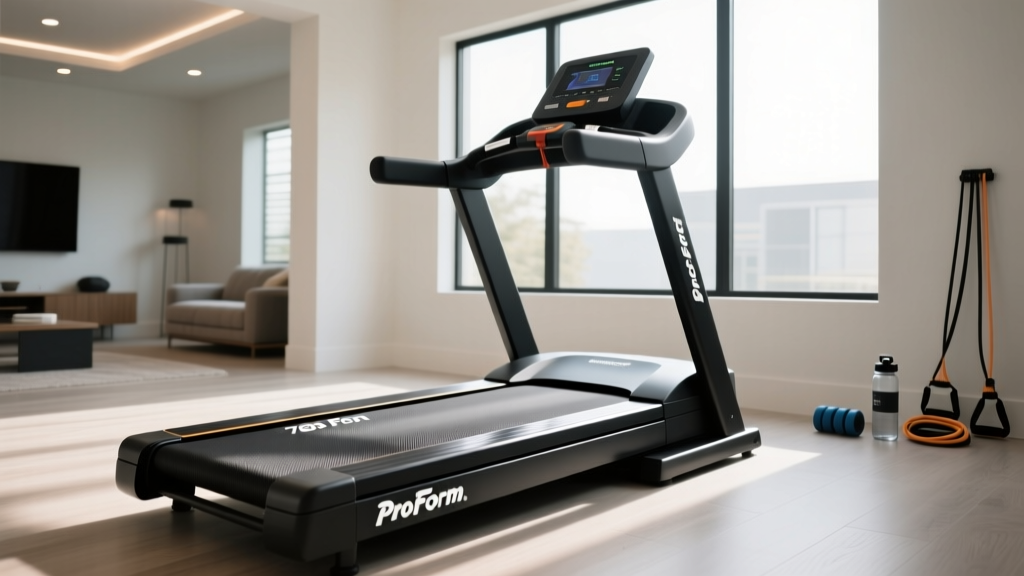
ProForm 760 EKG Treadmill Belt Maintenance: Budget Value Analysis

Treadmill Motor Size Guide: Horsepower & Treadmill Spray Lube Care

NordicTrack T Series 6.5 Treadmill: Small Space Review & Care
