
Equinox Treadmills vs Ellipticals: Home Cardio Maintenance Guide
Compare elliptical vs treadmill for home cardio through a maintenance lens. Learn longevity tips, care costs, and how to maintain Equinox treadmills.

When outfitting a premium home gym, the debate of elliptical vs treadmill for home cardio usually centers on joint impact, calorie expenditure, and spatial footprint. However, from a certified equipment technician's perspective, the most critical deciding factor is often overlooked: long-term mechanical maintenance and component longevity.
Luxury fitness clubs set a high bar for equipment reliability. Many home gym owners specifically search for equinox treadmills to replicate that heavy-duty, luxury club experience. It is important to note that Equinox does not manufacture its own treadmills; rather, their clubs are famous for stocking top-tier commercial models like the Woodway 4Front slat-belt and the Precor TRM 731. Bringing this commercial-grade hardware into a residential setting requires a strict, proactive maintenance regimen that differs vastly from caring for a high-end elliptical.
The 'Equinox Standard' at Home
To replicate the luxury gym running experience, you are likely looking at a commercial slat-belt treadmill (costing $6,500 to $11,000) or a heavy-duty front-drive elliptical like the Life Fitness E5 ($7,200+). These machines are engineered for 18+ hours of daily club use, but in a home environment, their greatest enemies are dust ingestion, static electricity, and neglected pivot points.
Treadmill Maintenance: Slat-Belt vs. Traditional Deck Care
The maintenance profile of a treadmill is defined by its deck and belt system. According to Club Industry equipment lifecycle reports, friction and heat are the primary catalysts for motor and control board failure in treadmills.
Traditional Belt Systems (e.g., NordicTrack Commercial 1750)
Traditional treadmills utilize a continuous PVC or urethane belt gliding over a phenolic-coated wooden deck. This creates immense friction.
- Lubrication: Requires 100% silicone lubricant applied every 150 miles or every 3 months. Using petroleum-based products will destroy the deck coating.
- Deck Rotation: Most reversible decks must be flipped upside down after 3 to 5 years to expose a fresh phenolic surface. Failure to do so results in belt snapping and motor burnout.
- Tensioning: The rear roller must be adjusted via hex bolts if the belt slips during heavy sprinting. A quarter-turn on both sides is usually sufficient to restore the 2-3 inch lift-test tension.
Slat-Belt Systems (The True Equinox Treadmills Experience)
Commercial slat-belt treadmills like the Woodway Curve or 4Front use individual vulcanized rubber slats attached to a heavy-duty drive chain or belt. According to Woodway's official support guidelines, these systems eliminate the need for deck lubrication entirely, but they introduce new mechanical variables.
- Dust Extraction: The exposed running gear and ball bearings require monthly vacuuming. Ingested dust mixes with factory grease on the drive chain, creating an abrasive paste that destroys sprockets.
- Slat Replacement: While the belt itself lasts up to 150,000 miles, individual slats can crack from dropping heavy dumbbells. Replacing a single slat costs roughly $25 and requires a specialized tensioning tool.
- Drive Belt Tension: The internal poly-V drive belt connecting the motor to the front roller must be checked annually for micro-fraying.
Elliptical Maintenance: Pivot Points, Rails, and Drive Systems
When comparing an elliptical vs treadmill for home cardio, the elliptical wins on acoustic footprint and joint preservation—a fact backed by Mayo Clinic fitness experts who note the reduced impact forces. Mechanically, ellipticals trade belt friction for complex articulating joints.
Track and Wheel Care (Rear-Drive Models like the Sole E95)
Rear-drive ellipticals utilize polyurethane wheels gliding along aluminum extrusion rails.
- Rail Cleaning: Wipe the aluminum tracks with a microfiber cloth and isopropyl alcohol weekly. Sweat contains chlorides; if left on the rails, it will cause pitting and corrosion, leading to a 'bumpy' stride and premature wheel degradation.
- Wheel Inspection: Check the polyurethane wheels for flat spots. If the machine is parked in the same position for months without use, the wheels resting on the rails can develop flat spots, requiring a $120 wheel replacement kit.
Pivot Bearings and Articulating Joints
Front-drive and center-drive ellipticals rely heavily on sealed and unsealed pivot bearings at the pedal arms and crank.
- Greasing: Unsealed pivot points require marine-grade lithium grease every 6 months. Do not use WD-40, which is a solvent and will strip existing lubrication, leading to metal-on-metal squeaking.
- Fastener Torque: The reciprocal motion of an elliptical generates significant lateral torque. Every 90 days, use a torque wrench to ensure all upright and pedal arm bolts are tightened to the manufacturer's specification (typically 15-25 Nm).
5-Year Maintenance Cost & Effort Matrix
| Machine Type | Primary Wear Component | Bi-Annual Task | Est. 5-Year Parts Cost | Expected Lifespan |
|---|---|---|---|---|
| Traditional Treadmill | Deck & PVC Belt | Silicone Lubrication | $150 - $350 | 7 - 10 Years |
| Commercial Slat-Belt | Drive Chain & Sprockets | Dust Extraction & Tensioning | $50 - $150 | 15 - 20+ Years |
| Rear-Drive Elliptical | Track Wheels & Rails | Rail Decontamination | $80 - $200 | 10 - 15 Years |
| Front-Drive Elliptical | Pivot Bearings & Crank | Lithium Greasing & Torquing | $40 - $120 | 8 - 12 Years |
Environmental Degradation: The Silent Killer of Home Cardio Gear
Whether you choose an elliptical or a premium treadmill, environmental factors dictate longevity more than usage hours in a home setting.
Dust Ingestion and Motor PWM Boards
Treadmill motors act as massive vacuums. In a home environment, pet dander and carpet fibers are pulled directly into the motor hood. This debris coats the Pulse Width Modulation (PWM) control board and motor brushes, causing overheating. A $300 control board failure is almost always preceded by a clogged motor compartment. Solution: Remove the motor hood every 90 days and use a compressed air duster and a soft brush to clean the electronics.
Sweat Corrosion and Humidity
Ellipticals are highly susceptible to sweat corrosion. The chloride and salt content in human sweat accelerates rust on exposed steel bolts and pit aluminum rails. If your home gym is in a basement or garage where humidity fluctuates, apply a light coat of automotive paste wax to the elliptical's aluminum rails and steel frame joints to create a hydrophobic barrier.
Power Conditioning
Commercial machines like the Precor TRM 731 feature sensitive touchscreen consoles and advanced inverters. Plugging a $8,000 machine directly into a wall outlet risks catastrophic damage from micro-surges. A dedicated 15-amp circuit paired with a high-joule-rating surge protector (like a Tripp Lite Isobar) is non-negotiable for protecting the machine's logic boards.
'The number one reason home gym owners call for service isn't because the machine broke from overuse; it's because it broke from sitting idle in a dusty, unclimate-controlled room. A treadmill belt left untensioned for six months will warp, and elliptical pivot bearings will seize if not articulated and greased regularly.' — Mark V., Commercial Fitness Equipment Technician
The 45-Minute Quarterly Maintenance Audit
To maximize the lifespan of your cardio investment, perform this specific audit every three months:
- Electrical & Motor Check (10 mins): Unplug the machine. Remove the motor hood. Vacuum loose debris. Inspect the drive belt for frayed edges or glazing.
- Alignment & Tension (15 mins): For treadmills, perform the 'lift test' (the belt should lift 2-3 inches off the deck in the center). For ellipticals, check the track wheels for lateral play; if they wobble, the axle bearings need replacing.
- Fastener Torque Audit (15 mins): Using a torque wrench, check all structural bolts. Focus heavily on the elliptical's pedal arm connections and the treadmill's upright console mast bolts, as these endure the highest reciprocal stress.
- Console Calibration (5 mins): Enter the machine's engineering/diagnostic mode (usually accessed by holding specific button combinations outlined in the service manual) to check for hidden error codes and recalibrate the incline motor limits.
Final Verdict: Choosing Based on Maintenance Reality
When deciding between an elliptical vs treadmill for home cardio, look past the marketing brochures and evaluate your willingness to perform mechanical upkeep. If you want the heavy-duty, luxury feel of equinox treadmills (like a Woodway slat-belt) and are willing to perform quarterly vacuuming and tension checks, a commercial treadmill will easily outlast a decade of heavy use. Conversely, if you prefer a quieter workout and are diligent about wiping down rails and greasing pivot bearings, a high-end elliptical offers exceptional longevity with a lower risk of catastrophic motor failure. Choose the machine whose maintenance profile aligns with your household habits, and your home gym will remain a reliable sanctuary for years to come.
More gear to consider
All reviews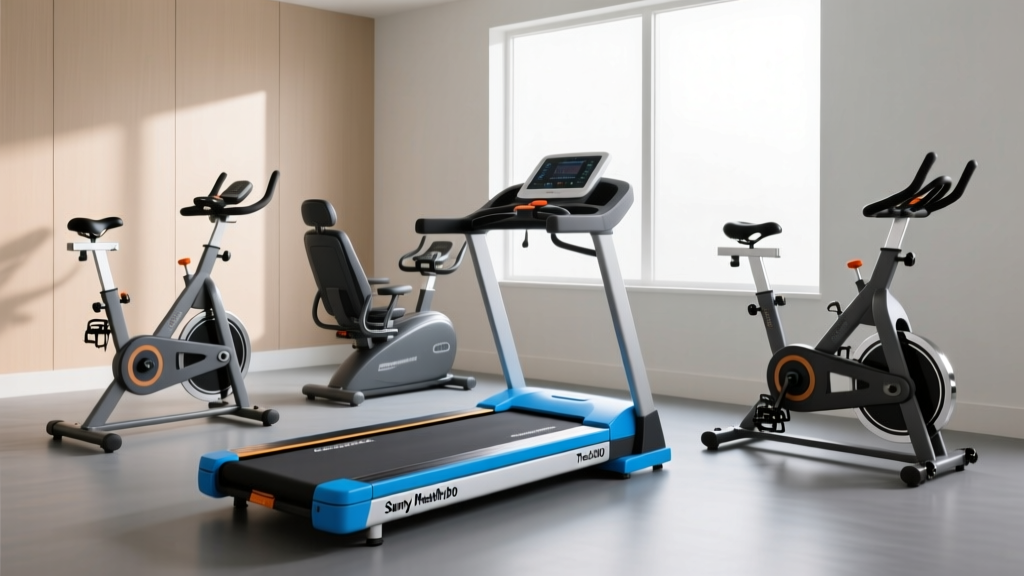
Maintaining Stationary Bike Types & Sunny Health and Fitness Treadmill SF-T4400

Precor 223 Treadmill vs Stationary Bike Types: 2026 Market Trends

OWA Treadmill Review: Budget Folding Value for Small Spaces
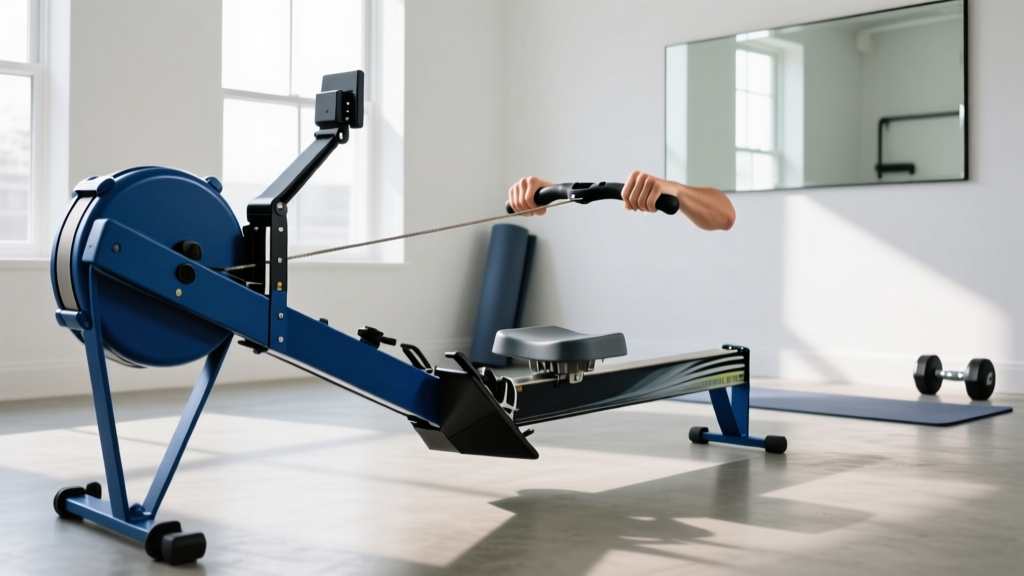
Rowing Machine Buying Guide: The 'Plane on a Treadmill' Resistance Myth

Curved Manual vs Motorized: Troubleshooting the Wahoo KICKR Treadmill
