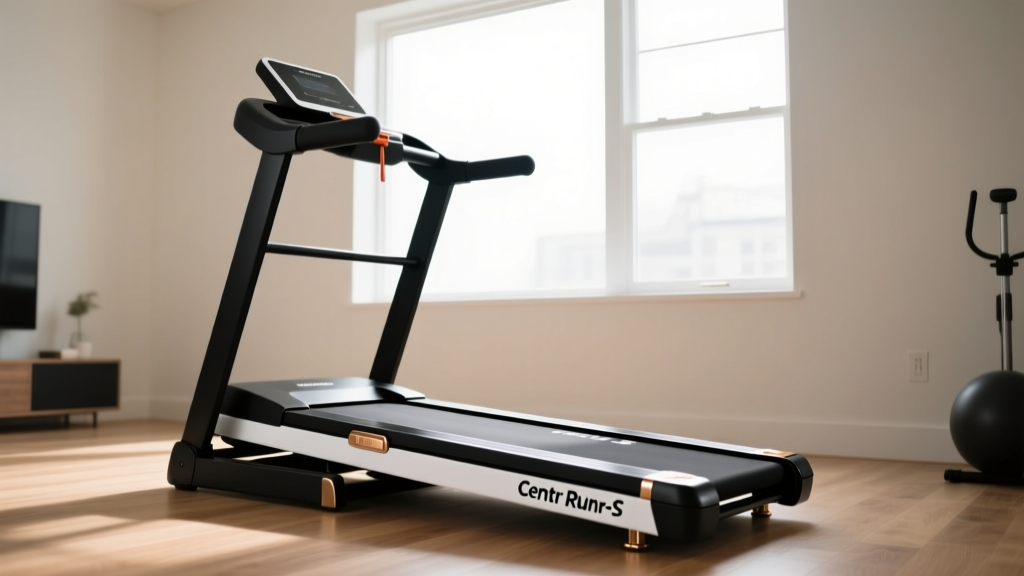
Elliptical vs Treadmill Care: Exercise Bike vs Treadmill for Weight Loss
Discover essential elliptical vs treadmill maintenance tips to maximize longevity, prevent breakdowns, and keep your home cardio routine on track.

The Calorie Debate vs. The Uptime Reality
When researching the exercise bike vs treadmill for weight loss or debating the merits of an elliptical vs treadmill for home cardio, most buyers focus exclusively on calorie burn metrics, joint impact, and interactive programming. However, fitness experts and repair technicians know a fundamental truth: a broken machine burns exactly zero calories. According to the Mayo Clinic, both ellipticals and treadmills offer excellent cardiovascular benefits, but your ability to maintain consistency depends entirely on equipment uptime.
In 2026, home cardio equipment is more advanced than ever, featuring integrated touchscreens, automatic incline calibration, and magnetic resistance systems. Yet, the mechanical principles of friction, tension, and heat remain unchanged. A $1,500 Sole F80 treadmill or a $1,200 NordicTrack Commercial 9.9 elliptical will quickly become an expensive clothes rack if subjected to mechanical neglect. This guide bypasses the superficial marketing debates and dives deep into the exact maintenance protocols required to maximize the lifespan of your primary cardio machines.
⚠️ The WD-40 Warning: Never use standard WD-40 or petroleum-based lubricants on a treadmill belt or elliptical rail. These solvents degrade polyurethane and rubber compounds, leading to catastrophic belt delamination and immediately voiding your manufacturer warranty.Treadmill Longevity: Belt, Deck, and Motor Care
Treadmills endure the highest dynamic loads in a home gym. A 200-pound runner striking the deck at 6 mph generates impact forces exceeding 600 pounds per step. This relentless pounding accelerates wear on the belt, deck, and motor controller.
Deck Lubrication and Belt Tension
The most common cause of premature treadmill death is a dry deck. Friction between the belt and the phenolic-coated deck generates immense heat, which draws excess amperage from the drive motor and eventually fries the lower control board (a $150 to $300 repair). To prevent this, you must lubricate the deck with 100% silicone treadmill lubricant every 150 miles or every six months.
- The Lift Test: To check belt tension, lift the belt in the exact center of the deck. It should rise 2 to 3 inches. If it lifts higher, the belt is too loose and will slip during heavy sprints.
- The Adjustment: Using a 6mm Allen wrench, tighten the rear roller adjustment bolts by exactly one-quarter turn clockwise on both sides. Re-test the tension. Over-tightening strips the roller bearings and stretches the belt seams.
As noted by Runner's World, proper lubrication not only extends the life of the belt but also ensures a smoother, quieter running experience that protects your joints.
Motor Hood Dust Extraction
Electric motors require airflow to dissipate heat. In a home environment, the motor hood acts as a vacuum, pulling in dust, pet hair, and lint. Every 90 days, unplug the machine, remove the motor hood screws, and use a vacuum with a brush attachment to clean the motor fins and the lower control board. Dust acts as a thermal blanket, causing the motor to overheat and trigger thermal shutdowns.
Elliptical Upkeep: Rails, Pivots, and Magnetic Brakes
While the Cleveland Clinic highlights the elliptical as a superior low-impact alternative for joint preservation, the machine's complex kinematic chain requires meticulous care. Unlike a treadmill's linear motion, an elliptical utilizes rotating cranks, pivot bearings, and track rollers.
Track and Roller Maintenance
The aluminum or steel rails on machines like the Bowflex Max Trainer or Sole E35 are magnets for dust and microscopic skin cells. When this debris mixes with ambient humidity, it forms an abrasive paste that scores the polyurethane track wheels, resulting in the dreaded 'clunking' sound during the pedal stroke.
- Wipe down the entire length of the rails weekly with a microfiber cloth dampened with 70% isopropyl alcohol.
- Inspect the track wheels for flat spots or deep grooves. If the wheels are misshapen, they must be replaced to prevent rail scoring.
- Never apply liquid grease to the rails; it will only attract more dust. The wheels should roll dry.
Pivot Point and Arm Bearings
The main crank bearings and the upper arm pivot points endure constant lateral stress. Every six months, apply a thin layer of white lithium grease to these mechanical junctions. White lithium grease adheres to metal, withstands high pressure, and does not drip or melt at room temperature like standard bicycle chain lubes.
Maintenance Matrix: Treadmill vs. Elliptical vs. Bike
To contextualize the upkeep required for your home gym, consider the following comparative matrix. This data helps frame the broader 'exercise bike vs treadmill for weight loss' debate by introducing the often-ignored variable of long-term maintenance costs and time investment.
| Metric | Treadmill (e.g., Sole F80) | Elliptical (e.g., NordicTrack FS14i) | Exercise Bike (e.g., Concept2 BikeErg) |
|---|---|---|---|
| Annual Maintenance Time | 2.5 Hours | 1.5 Hours | 0.5 Hours |
| Average Annual Upkeep Cost | $35 (Silicone Lube, Belts) | $20 (Lithium Grease, Alcohol) | $5 (Chain Oil, Wipes) |
| Most Common Failure Point | Lower Control Board / Motor | Reed Switch / Servo Motor | Drive Belt Tension |
| Expected Lifespan (Heavy Use) | 7 to 10 Years | 10 to 15 Years | 15+ Years |
Real-World Troubleshooting: Edge Cases and Error Codes
Even with meticulous care, home cardio machines will occasionally throw error codes. Understanding these edge cases saves you from calling a $150-per-hour technician for a five-minute fix.
Treadmill E1 or E2 Error (Speed Sensor Misalignment)
If your treadmill abruptly stops and displays an E1 error, the optical speed sensor has likely lost sight of the motor flywheel. Over time, vibration shifts the sensor bracket. Unplug the machine, locate the sensor near the front roller, and ensure the gap between the sensor and the flywheel magnet is exactly 2 to 3 millimeters. Gently bend the bracket back into alignment if necessary.
Elliptical Resistance Stuck at Level 1
On magnetic resistance ellipticals, the console sends a signal to a small servo motor that moves the magnet closer to or further from the flywheel. If your resistance is stuck, the servo motor cable may have slipped off its track, or the reed switch is misaligned. Remove the side shroud, manually trace the servo cable, and re-seat it on the tension pulley. This $85 part is easily accessible and rarely requires full machine disassembly.
Environmental Factors: The Hidden Killer of Home Cardio Gear
The most overlooked variable in equipment longevity is the ambient environment. Human sweat contains sodium chloride (salt) and has an acidic pH ranging from 4 to 6. When sweat drips onto the exposed steel frames, console mounts, and pivot bolts of your elliptical or treadmill, it initiates rapid galvanic corrosion.
To combat this, never use bleach-based or ammonia-heavy household cleaners on your equipment. Instead, wipe down all touch points and frames immediately after use with a dedicated enzyme-based fitness wipe or a 50/50 mixture of distilled water and white vinegar. For unpainted steel components, such as the guide rails on a rowing machine or the adjustment pins on a weight stack, apply a light coat of a corrosion inhibitor like Boeshield T-9 to create a moisture-displacing barrier.
Final Verdict: Uptime Dictates Weight Loss Success
The debate surrounding the exercise bike vs treadmill for weight loss, or the elliptical vs treadmill for home cardio, ultimately hinges on your personal biomechanics and space constraints. However, from a purely mechanical standpoint, ellipticals generally require less intensive maintenance and suffer fewer catastrophic motor failures than treadmills due to the absence of a high-friction walking belt. Regardless of your choice, implementing these specific, actionable maintenance protocols will ensure your investment survives the rigors of daily use, keeping your cardio routine uninterrupted and your weight loss goals firmly within reach.
More gear to consider
All reviews
Cardio Noise Comparison: Silicone Lubricant for Treadmill Belt Setup
Elliptical vs Treadmill: Apple Watch Accuracy & Budget Guide

TikTok Treadmill Review: Small Space Folding & Care

Curved Manual vs Motorized Treadmill: Schwinn 810 Treadmill Guide

Quiet Setup: Noise Levels & A Ten Minute Treadmill Workout Guide