
Curved Non Motorized Treadmill vs Motor HP: Troubleshooting
Troubleshoot treadmill motor HP issues, decode CHP ratings, and discover if a curved non motorized treadmill is the right zero-maintenance fix for your home gym.

The Horsepower Illusion: Decoding Treadmill Motor Specs
When outfitting a home gym, the treadmill remains a cornerstone investment. However, the market is flooded with misleading specifications, particularly regarding motor size. In 2026, consumers are more informed than ever, yet manufacturers still use deceptive 'Peak HP' ratings to sell underpowered machines. Before you attempt to troubleshoot a failing motor or consider pivoting to a curved non motorized treadmill, you must understand the baseline requirements for motorized decks.
According to the Consumer Reports Treadmill Buying Guide, the only metric that matters is Continuous Horsepower (CHP). Peak HP merely represents the maximum output the motor can sustain for a few seconds before overheating. If your treadmill lists '3.0 HP' but omits the 'C', it likely operates at a continuous 1.5 HP, which will quickly burn out under the stress of a running adult.
CHP Requirements by User Profile
| User Weight | Primary Use | Minimum Required CHP | Recommended Motor Type |
|---|---|---|---|
| Under 150 lbs | Walking / Light Jogging | 2.0 CHP | Standard DC Motor |
| 150 - 200 lbs | Jogging / Intervals | 2.75 CHP | High-Torque DC Motor |
| 200 - 250 lbs | Sustained Running | 3.25 CHP | Commercial DC / AC Motor |
| 250+ lbs | Heavy Running / Sprinting | 4.0+ CHP | AC Motor or Non-Motorized |
Common Motorized Treadmill Failures & Troubleshooting
Before spending $400 to $800 on a replacement motor, it is critical to accurately diagnose the failure mode. Over 60% of 'dead motor' claims are actually secondary failures caused by excessive belt friction or faulty peripheral components.
1. The 'Dead Belt' Misdiagnosis (Error Codes E1 / E5)
When a treadmill displays an E1 (Speed Sensor) or E5 (Motor Overload) error, users immediately blame the motor. In reality, a dry running deck creates immense friction. The motor draws excess amperage to pull the belt, eventually blowing the motor control board or tripping the thermal breaker.
- The Lift Test: Turn off the machine. Lift the running belt from the center of the deck. It should rise exactly 2 to 3 inches. If it is tighter, the motor is working overtime.
- The Amp Draw Test: Use a multimeter with an amp clamp on the motor's red lead. A healthy motorized treadmill walking at 3.0 MPH should draw between 4 and 8 amps. If it draws over 12 amps, your deck needs 100% silicone lubricant immediately, or the deck/belt needs replacement.
2. Capacitor and Speed Sensor Failures
If the motor is receiving power but refuses to turn, the issue often lies in the start capacitor (on AC motors) or the optical speed sensor located near the front roller. Wipe the sensor disk with isopropyl alcohol; a single speck of dust can interrupt the infrared beam, causing the console to halt the motor to prevent a runaway belt scenario.
The Zero-Motor Alternative: Curved Non Motorized Treadmills
The chronic issues associated with DC motors, control boards, and deck friction have driven a massive shift in the premium home gym market toward the curved non motorized treadmill. By entirely removing the motor, you eliminate the most expensive and failure-prone component of the machine.
These machines utilize a concave, slatted running surface. The user's foot strike pushes the belt down and back, generating momentum through pure biomechanics. A comprehensive study published by the National Institutes of Health (NIH) demonstrated that curved, non-motorized treadmills elicit a significantly higher metabolic demand—burning up to 30% more calories at the same perceived exertion level—while naturally promoting a safer, forefoot-strike running gait.
Top 2026 Curved Models & Pricing
- AssaultRunner Elite ($3,999): Features a Kevlar-reinforced slat belt and magnetic resistance adjustability. The 608ZZ slat bearings are sealed and require zero maintenance for up to 5 years.
- TrueForm Runner ($5,695): The gold standard for biomechanical purists. Uses a vulcanized rubber slat belt that absorbs impact. No electronics, no motor, just raw kinetic feedback.
- Technogym Skillmill ($7,800+): Blends the non-motorized curve with a geared magnetic resistance system, allowing for sled-push simulations and parachute-resistance sprints.
"Transitioning to a curved non motorized treadmill isn't just about avoiding motor repairs; it's about engaging the posterior chain. Without a motorized belt pulling your leg back, your hamstrings and glutes must actively pull the belt down, fundamentally changing your running mechanics." — Biomechanics & Sports Science Review, 2025
Maintenance Showdown: Motor Brushes vs. Slat Bearings
When deciding between repairing a motorized unit or investing in a curved alternative, consider the 5-year maintenance horizon. Motorized treadmills require continuous deck lubrication, belt tensioning, and eventual motor brush replacements. Curved treadmills shift the maintenance burden from electrical to mechanical.
| Maintenance Task | Standard Motorized Treadmill | Curved Non Motorized Treadmill |
|---|---|---|
| Deck Lubrication | Every 3-6 months (100% Silicone) | Not Required (Open-air slat design) |
| Belt Tensioning | Annual rear-roller adjustment | Annual tension rod calibration (if slat belt stretches) |
| Electrical Components | Control board / Motor replacement ($400+) | None (Console battery/solar only) |
| Primary Wear Item | Running Belt & Deck ($250+) | Slat Bearings (Replace individual 608ZZ bearings for $2 each) |
Final Verdict: Which Path Should You Take?
If you currently own a motorized treadmill and are experiencing E1/E5 errors, perform the belt lift test and amp draw test before ordering a new motor. A $15 bottle of silicone lubricant and a proper belt alignment solve the majority of 'motor' issues.
However, if you are in the market for a new machine, weigh the long-term costs carefully. A curved non motorized treadmill demands a higher upfront capital investment (starting around $3,500), but it entirely bypasses the horsepower confusion, thermal overload failures, and planned obsolescence of DC motors. For heavy runners, sprinters, and those seeking a zero-electrical-maintenance cardio solution, the manual curve is the undisputed champion of the 2026 home gym landscape.
More gear to consider
All reviews
Air Bike vs Treadmill Brand Value: Assault Bike Comparison
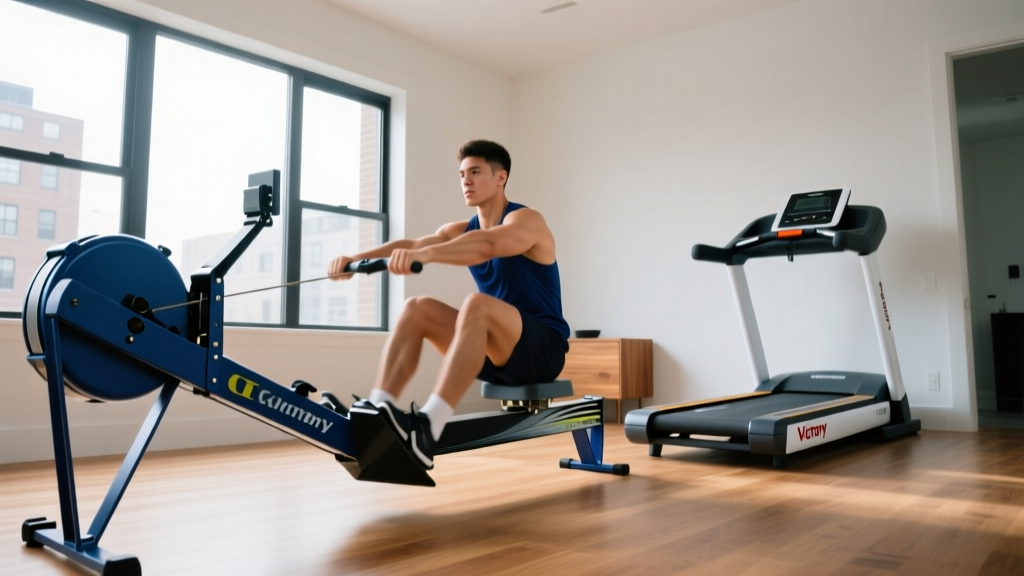
Rowing Machine Setup Guide: Space Needs vs Victory Treadmills
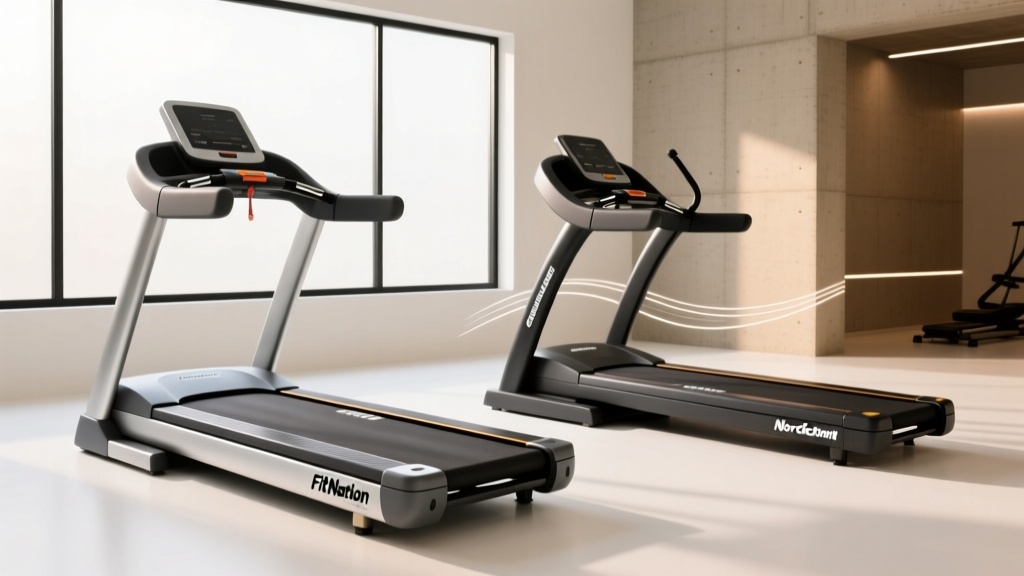
FitNation Slimline Treadmill vs Curved Manual: 2026 Buying Guide

Reebok 8000 ES Treadmill Troubleshooting & Feature Comparison

Training for Half Marathon on Treadmill? Under-Desk Reviews
