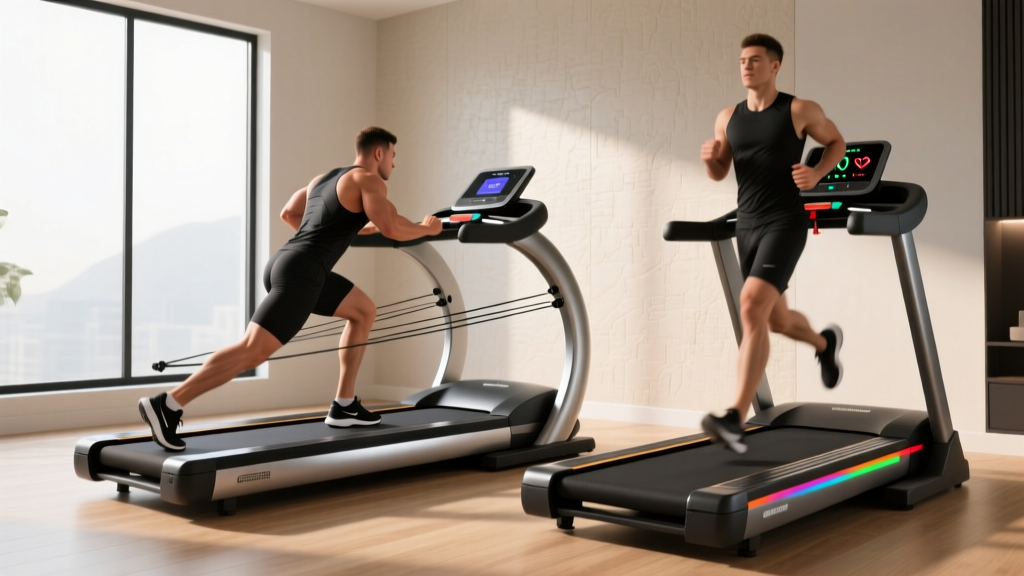
NordicTrack X16 Treadmill for Sale: Setup & Noise Guide
Found a NordicTrack X16 treadmill for sale? Use our setup walkthrough and cardio noise comparison to eliminate vibration and motor whine in your home gym.

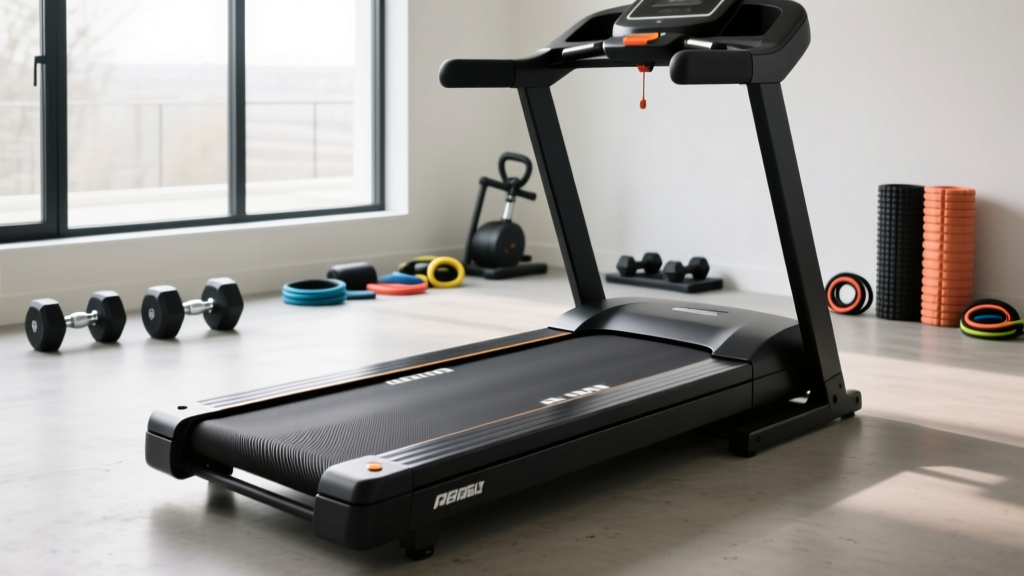
Securing a legacy incline trainer is a massive win for any home gym enthusiast. However, when you finally find a NordicTrack X16 treadmill for sale on the secondary or refurbished market in 2026, the real work begins. The X16 is famous for its brutal 40% incline capability and heavy-duty 3.0 CHP motor, but its 260-pound frame and aggressive drive system can turn your workout into a structural nightmare for the rooms below if not installed correctly.
This complete setup and installation walkthrough focuses heavily on acoustic isolation and vibration dampening. We will also break down a comprehensive cardio machine noise level comparison so you understand exactly how the X16's acoustic footprint stacks up against modern ellipticals, rowers, and smart bikes.
Cardio Machine Noise Level Comparison: Where the X16 Stands
Before unboxing your X16, it is crucial to understand the physics of home gym noise. According to the Environmental Protection Agency (EPA), prolonged exposure to noise above 70 decibels (dB) can cause hearing fatigue, while low-frequency structure-borne vibrations are the primary culprit for neighbor and household complaints. Treadmills generate both airborne motor noise and high-impact structure-borne noise.
Here is how the refurbished NordicTrack X16 compares to other popular cardio machines when properly calibrated:
| Machine Type | Drive / Resistance System | Avg Airborne Noise (dB) | Structure-Borne Impact | Setup Complexity for Noise Reduction |
|---|---|---|---|---|
| NordicTrack X16 (Incline Trainer) | 3.0 CHP DC Motor / Incline Rack | 68 - 76 dB (at 6mph / 15% incline) | High (Heavy footstrike + motor vibration) | High (Requires MLV mats & torque calibration) |
| Sole E95 Elliptical | Magnetic Flywheel | 45 - 55 dB | Low (Fluid motion, no footstrike) | Low (Basic rubber mat sufficient) |
| Concept2 RowErg | Air Resistance Flywheel | 65 - 72 dB (Wind noise) | Very Low (Seat rollers only) | Minimal (Direct floor placement fine) |
| Peloton Bike+ | Magnetic Resistance | 35 - 45 dB | Negligible | None required |
Note: The X16's noise spikes significantly when the incline motor engages. The lead screw mechanism that pushes the deck up to 40% generates a low-frequency mechanical hum that easily transfers through wooden floor joists.
Pre-Installation: Acoustic Prep and Subfloor Analysis
Do not place the X16 directly on hardwood, laminate, or carpet. The point-load weight of a runner hitting a 40% incline deck exceeds 2.5x their body weight, creating severe impact transfer.
The Ultimate Noise-Dampening Stack
To bring the X16's structure-borne noise down to the level of a quiet elliptical, you need a two-layer isolation system:
- Base Layer (Mass Loaded Vinyl - MLV): Lay down a 1 lb/sq ft MLV barrier. This dense material specifically blocks low-frequency motor hum and incline-rack vibrations. Cost: ~$1.50 per sq ft.
- Top Layer (Vulcanized Rubber Mat): Use a 3/8-inch thick, high-density vulcanized rubber horse stall mat or specialized gym tile. Avoid cheap PVC foam mats; they will compress and bottom out under the X16's 260 lb footprint. Cost: ~$50 - $80.
Step-by-Step X16 Assembly for Vibration Reduction
Refurbished or secondhand X16 units often suffer from 'loose tolerances'—bolts that have vibrated loose over years of use. Reassembling it with precision is your best defense against squeaks and rattles. For detailed schematic support, always refer to the official iFIT Support portal.
Phase 1: Base and Upright Mast Alignment
The upright mast houses the wiring and supports the console. If it is not perfectly square to the base, the plastic shrouds will rub and squeak during incline shifts.
- Insert the M8 x 70mm bolts connecting the uprights to the base.
- Do not fully tighten them yet. Have a helper stand the mast upright and apply slight backward pressure to seat the pivot points.
- Using a calibrated torque wrench, tighten the M8 bolts to exactly 22 Nm (Newton-meters). Overtightening will strip the threads; undertightening guarantees a metal-on-metal clicking sound when the incline changes.
Phase 2: Incline Lead Screw Calibration
The X16 uses a heavy-duty lead screw to achieve its 40% grade. If this is dry, it will emit a loud grinding noise.
- Locate the incline motor housing at the front of the base.
- Wipe the exposed lead screw threads with a microfiber cloth to remove old, clumped grease.
- Apply a generous bead of white lithium grease (do not use WD-40 or silicone spray, as they attract dust and degrade the plastic gears). Cycle the incline from 0% to 40% and back down twice to distribute the lubricant.
Phase 3: Belt Tensioning and Motor Whine Prevention
A loose running belt causes 'slap' against the deck, while an overtightened belt forces the 3.0 CHP motor to overwork, creating a high-pitched electrical whine.
- Power on the treadmill and set it to 3.0 mph.
- Walk on the belt and intentionally try to stall it with your foot. If the belt slips while the front roller keeps turning, it is too loose.
- Turn the rear roller adjustment bolts (left and right) exactly one-quarter (1/4) turn clockwise.
- Test again. The ideal tension allows you to lift the belt exactly 2.5 to 3 inches off the deck at the midpoint when the machine is off.
Troubleshooting Legacy X16 Noise Failures
Even with perfect installation, older X16 models may present specific acoustic issues. Here is how to diagnose and fix them:
The 'Thump-Thump' Belt Splice Issue: If you hear a rhythmic thumping that matches the speed of the belt, inspect the belt seam. On older replacement belts, the glued splice can harden and create a bump. If the belt tracks straight but thumps, replacing the belt with a premium 2-ply commercial-grade belt (approx. $120) is the only permanent fix.
Motor Hood Rattle
The plastic motor hood at the front of the X16 is notorious for vibrating against the metal frame at speeds above 7 mph. Remove the hood, apply 1/2-inch weatherstripping foam tape to all internal plastic contact points where it meets the metal chassis, and reseat it. This eliminates 90% of high-speed plastic rattling.
Deck Friction Squeal
If you hear a high-pitched squealing that changes pitch with your running speed, the deck is dry. The X16 requires 100% pure silicone treadmill lubricant. Apply exactly 0.5 oz under the belt, spread it by running the machine at 2 mph for three minutes, and wipe away any excess that squeezes out the sides.
Final Verdict: Is the Setup Effort Worth It?
Finding a NordicTrack X16 treadmill for sale in 2026 is a rare opportunity to own a commercial-grade incline trainer at a fraction of the cost of a new X22i. While the noise level comparison shows that treadmills inherently generate more structure-borne impact than magnetic bikes or air rowers, the X16's acoustic footprint can be tamed. By investing $150 in proper MLV and rubber matting, using a torque wrench during assembly, and properly lubricating the incline lead screw, you can transform this 260-pound beast into a remarkably quiet, joint-friendly climbing machine that won't disturb the rest of your household.
More gear to consider
All reviews
Woodway Treadmill 4Front vs. Home Stair Climber Guide
Using a Treadmill at Home: Top Folding Treadmills for 2026
Rowing Guide: Technique vs Treadmill Beginner Workouts Lose Weight
From a Treadmill in Victorian England to 2026 Office Value
Treadmill Belt Maintenance Costs & The Best Way to Move a Treadmill