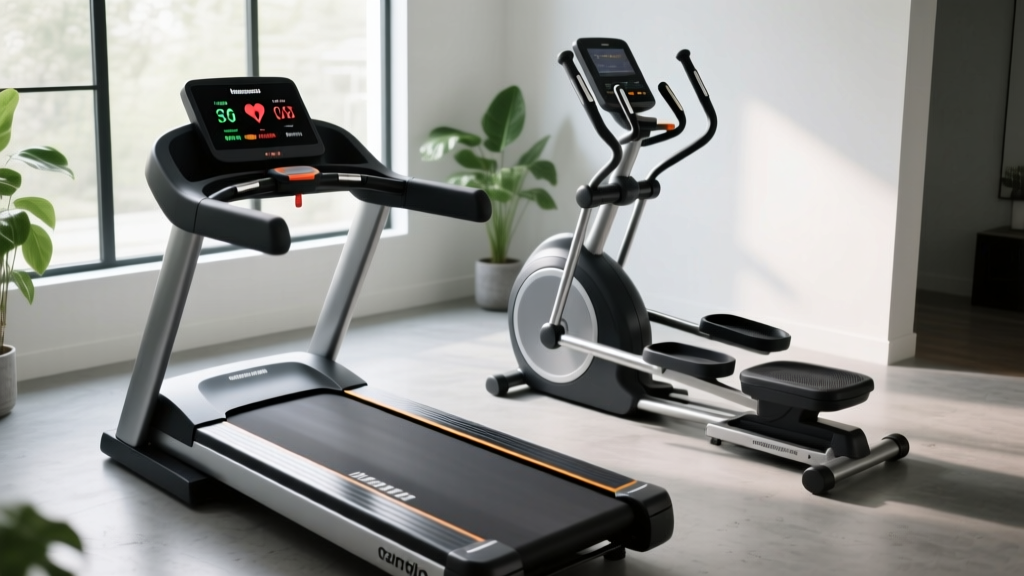
Step-by-Step Guide: Curved Manual vs Life Fitness Elevation Series Treadmill
A beginner-friendly step-by-step guide comparing curved manual treadmills to motorized models like the Life Fitness Elevation Series treadmill for your home gym.

The Great Cardio Crossroads: Self-Powered vs. Commercial Motorized
Building a home gym in 2026 means navigating a marketplace flooded with high-tech fitness equipment. For cardio enthusiasts, the ultimate dilemma often boils down to two vastly different engineering philosophies: the self-powered curved manual treadmill versus a premium, commercial-grade motorized machine. If you are researching top-tier motorized options, you have likely encountered the Life Fitness Elevation Series treadmill, a staple in luxury health clubs and elite home gyms. But how does it actually compare to the trendy, motor-free curved treadmills dominating social media?
This beginner-friendly, step-by-step guide will walk you through the biomechanics, spatial requirements, financial investments, and training outcomes of both styles. By the end, you will know exactly which machine deserves a permanent spot on your floor.
Quick Contender Definitions
Curved Manual Treadmill: A non-motorized, concave treadmill where the user's foot strike and body weight pull the slatted belt backward. Examples include the TrueForm Trainer and AssaultRunner Pro.
Motorized Treadmill (Benchmark): A traditional flat-belt treadmill driven by an electric motor. Our benchmark is the Life Fitness Elevation Series, featuring a 4.0 HP AC motor and advanced shock absorption.
Step 1: Assess Your Running Biomechanics and Learning Curve
The most critical difference between these machines is how they interact with your natural gait. As a beginner, understanding this will dictate your safety and comfort.
The Curved Treadmill Experience
On a curved manual treadmill, you are the motor. To increase speed, you must push harder against the curve, shifting your center of gravity forward. This naturally encourages a forefoot or midfoot strike, which heavily engages the posterior chain (glutes, hamstrings, and calves). According to research highlighted by the National Strength and Conditioning Association (NSCA), curved treadmills can increase caloric expenditure by up to 30% compared to motorized belts at the same perceived exertion, simply because the user must overcome the friction and inertia of the belt themselves.
Beginner Tip: The learning curve is steep. Your first few sessions should be spent holding the side rails, practicing a slow, deliberate walking pace to get used to the belt's responsiveness. If you are a chronic heel-striker, a curved treadmill will feel jarring and uncomfortable until you adapt your form.
The Motorized Benchmark: Life Fitness Elevation Series
Conversely, a motorized treadmill pulls your feet backward, allowing you to maintain a heel-strike running pattern comfortably. The Life Fitness Elevation Series treadmill utilizes the proprietary FlexDeck Shock Absorption System, which reduces joint stress by up to 30% compared to running on asphalt. For beginners recovering from minor joint issues, or those who simply want to zone out and watch a screen while the machine dictates the pace, the motorized option offers immediate, zero-learning-curve comfort. As noted in Mayo Clinic fitness guidelines, maintaining proper posture and utilizing shock-absorbing surfaces is vital for long-term joint health in novice runners.
Step 2: Compare the Physiological and Technical Data
Let us look at the hard numbers. Below is a direct comparison matrix between a premium curved manual treadmill (like the TrueForm Trainer) and the Life Fitness Elevation Series treadmill.
| Feature / Metric | Curved Manual Treadmill | Life Fitness Elevation Series |
|---|---|---|
| Power Source | 100% Human-Powered | 4.0 HP AC Motor (Requires 20A Outlet) |
| Top Speed | Unlimited (User dependent) | 15.0 mph (Motor limited) |
| Incline / Decline | Fixed curve (Simulates ~8% grade) | 0% to 15% Motorized Incline |
| Belt Material | Vulcanized Rubber Slats | Wax-free running belt |
| Caloric Variance | +20% to +30% higher burn | Standard baseline burn |
| Interactive Tech | Basic LCD (Speed, Time, Distance) | 16-inch HD touchscreen, Netflix, streaming |
Step 3: Audit Your Space, Power, and Maintenance Needs
Before making a purchase, you must evaluate the physical and electrical infrastructure of your home. This is where many beginners make costly mistakes.
Electrical and Spatial Footprint
- Curved Treadmills: Require zero electricity. You can place them in a garage, a basement, or the middle of a living room without worrying about cord management or power surges. They typically measure around 70 inches long and 33 inches wide, making them slightly more compact.
- Life Fitness Elevation Series: This is a commercial-grade machine. It requires a dedicated 20-amp NEMA 5-20R electrical circuit. Plugging this into a standard 15-amp bedroom circuit shared with other appliances will trip the breaker and potentially damage the 4.0 HP motor. Furthermore, it measures roughly 87 inches long and 34 inches wide, and weighs over 430 pounds. You will need reinforced flooring and ample clearance behind the belt for safety.
Long-Term Maintenance
Curved treadmills have fewer moving parts but require specific upkeep. The rubber slats and guide rails need periodic silicone lubrication to prevent squeaking and friction burn. Motorized treadmills like the Life Fitness Elevation Series feature wax-free belts, drastically reducing routine maintenance. However, if the AC motor or the complex incline rack-and-pinion system fails out of warranty, the repair bill can easily exceed $800.
Step 4: Analyze the 2026 Pricing and Total Cost of Ownership
Budgeting for a premium treadmill goes beyond the initial sticker price. Here is the realistic financial breakdown for 2026.
Curved Manual Treadmill
- Initial Cost: $3,499 - $5,500
- Delivery: Often ships freight; curbside is free, room placement is ~$150.
- Electrical Upgrades: $0
- 5-Year Maintenance: ~$100 (Silicone lubricant, belt tension adjustments).
Life Fitness Elevation Series
- Initial Cost: $11,000 - $14,500+
- Delivery: White-glove delivery and assembly usually included or ~$300.
- Electrical Upgrades: $250 - $600 (Hiring an electrician for a dedicated 20A line).
- 5-Year Maintenance: ~$300 (Potential control board or sensor replacements post-warranty).
Step 5: Make Your Final Decision
Choosing between a curved manual treadmill and the Life Fitness Elevation Series treadmill ultimately depends on your training philosophy, budget, and home infrastructure. Use this final decision framework to lock in your choice.
Choose the Curved Manual Treadmill If:
- You are focused on High-Intensity Interval Training (HIIT) and want to sprint without waiting for a motor to spool up or spin down.
- You want to improve your running form, strengthen your posterior chain, and burn more calories in less time.
- Your home gym lacks the dedicated 20-amp electrical circuits required for commercial motorized equipment.
- You prefer a machine that will never suffer a motor burnout or control board failure.
Choose the Life Fitness Elevation Series Treadmill If:
- You are training for marathons or long-distance events and need to sustain steady-state Zone 2 cardio at precise, motor-controlled speeds and inclines.
- You require the joint-saving benefits of the FlexDeck Shock Absorption System due to knee, hip, or lower back sensitivities.
- You want an immersive, entertainment-rich experience with a 16-inch HD touchscreen to make 60-minute runs feel effortless.
- You have the budget for a commercial-grade investment and the electrical infrastructure to support it safely.
Expert Takeaway: Do not buy a curved treadmill simply because it looks aesthetically pleasing on social media. If you are a beginner runner who struggles with pacing, the motorized consistency of the Life Fitness Elevation Series treadmill will provide a much safer, more controlled environment to build your aerobic base. Conversely, if you are an athlete looking to maximize power output in 20-minute windows, the manual curve is unmatched.
By carefully auditing your biomechanics, electrical capacity, and long-term fitness goals, you can confidently select the cardio machine that will serve your household for the next decade and beyond.
More gear to consider
All reviews
Rowing Machine Troubleshooting & NordicTrack T 6.5 S Treadmill Specs

Beyond Treadmill Trivia: Rowing Machine Buying & Technique Mistakes
Life Fitness Home Treadmill Belt Maintenance: 2026 Trend Analysis

Equinox Treadmills vs Ellipticals: Home Cardio Maintenance Guide

Rowing vs Treadmill: How Many Steps is 30 Minutes on the Treadmill?