Bowflex T6 Treadmill Review: Long-Term Belt Maintenance Tips
Extend the life of your machine with our Bowflex T6 treadmill review maintenance guide. Learn exact belt lubrication, tensioning, and alignment steps.

Beyond the Bowflex T6 Treadmill Review: Why Belt Care is Non-Negotiable
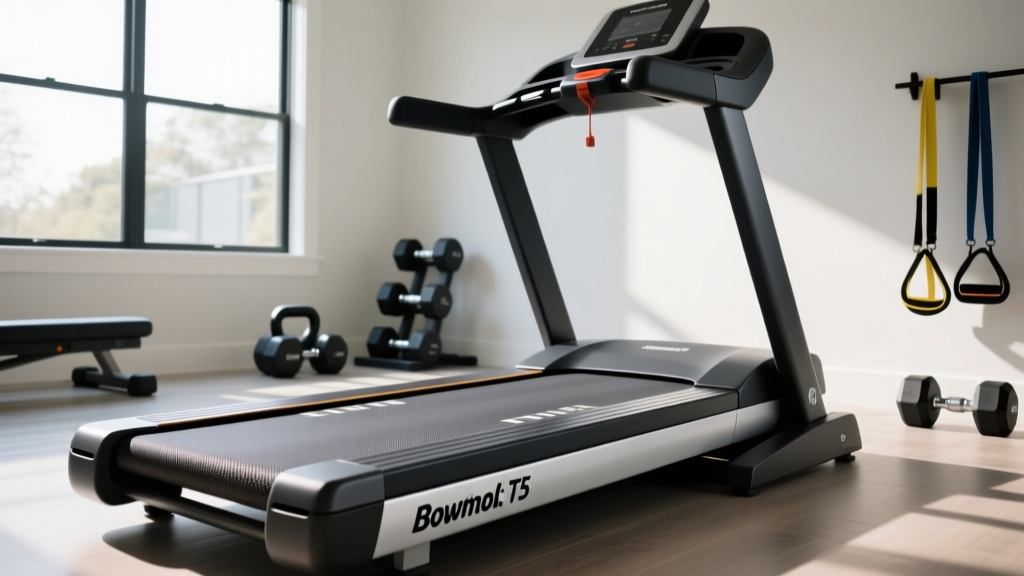
While our comprehensive Bowflex T6 treadmill review praised the machine's robust 3.0 Continuous Horsepower (CHP) motor, cushioned 20-inch by 55-inch running path, and intuitive console, long-term ownership demands rigorous mechanical upkeep. The most critical, yet frequently overlooked, aspect of treadmill longevity is belt maintenance and lubrication. A treadmill belt is the primary friction point in the entire drive system. When neglected, the increased friction forces the motor to work harder, drawing excessive amperage that can ultimately fry the lower motor control board—a repair that, as of 2026, typically costs between $140 and $250 for parts alone.
According to industry repair standards documented by the Treadmill Doctor, over 80% of premature treadmill motor and controller failures are directly linked to inadequate belt lubrication and improper tension. This guide serves as the ultimate technical companion to our initial Bowflex T6 review, providing you with exact measurements, product specifications, and step-by-step protocols to keep your machine running flawlessly for years.
⚠️ The Amp-Draw Danger Zone
A properly lubricated Bowflex T6 belt should draw between 2 to 4 amps under a 175-pound user load. A dry, high-friction belt can cause the amp draw to spike to 10 to 15 amps. This excessive current generates massive heat in the motor controller's MOSFETs, leading to thermal shutdown or permanent silicon failure. If your treadmill suddenly shuts off mid-run or trips your home circuit breaker, a dry belt is the primary suspect.
The Exact Lubrication Protocol for the Bowflex T6
The Bowflex T6 requires a 100% pure silicone treadmill lubricant. Never use WD-40, silicone sprays containing petroleum distillates, or household oils. Petroleum-based products will chemically degrade the PVC and rubber compounds of the walking belt, causing it to stretch, crack, and ultimately disintegrate. A high-quality 100% silicone liquid (not an aerosol) costs roughly $12 to $18 per bottle and will last for multiple applications.
Step-by-Step Application Guide
- Power Down and Secure: Turn off the Bowflex T6 using the main power switch near the floor and unplug it from the wall. Remove the magnetic safety key from the console.
- Access the Belt: Kneel beside the treadmill. Reach under the center of the running belt and gently pull it upward to create a gap between the belt and the wooden/composite deck.
- Apply the Silicone: Insert the nozzle of the 100% silicone lubricant bottle under the belt. Squeeze exactly 1/2 ounce (approx. 15 ml) of silicone in a zig-zag or straight line across the width of the deck. Repeat this process on the opposite side of the treadmill.
- Distribute the Lubricant: Plug the machine back in. Stand on the side rails (not the belt). Start the treadmill at a slow 3.0 MPH. Allow it to run for 3 to 5 minutes. The rotation will naturally spread the silicone evenly across the entire 20x55 inch deck surface.
- Test the Grip: Stop the machine and carefully test the belt for slip. If it feels overly slick, wipe the surface with a dry, lint-free microfiber cloth to remove excess silicone that may have seeped to the top.
Treadmill Maintenance & Inspection Schedule
To maintain the Bowflex T6's factory warranty and ensure optimal performance, adhere to the following maintenance matrix. This schedule assumes an average usage of 3 to 5 hours per week.
| Timeframe | Maintenance Action | Required Materials | Est. Cost |
|---|---|---|---|
| Every 3 Months | Inspect belt alignment and tension; wipe down side rails. | Allen wrench (usually included), microfiber cloth. | $0 |
| Every 6 Months | Apply 1 oz total of 100% silicone lubricant under the belt. | 100% Pure Silicone Treadmill Lube. | ~$4 (per use) |
| Annually | Deep clean motor compartment (vacuum dust); check deck wear. | Shop-vac with brush attachment, flashlight. | $0 |
| Every 2-3 Years | Replace walking belt and deck if fraying or grooving occurs. | OEM Replacement Belt/Deck kit. | $80 - $150 |
Diagnosing Belt Tension and Alignment Issues
Lubrication is only half the battle. If your belt is too loose, it will slip underfoot during heavy strides, creating a dangerous stuttering effect. If it is too tight, it will put immense lateral strain on the motor bearings and the rear roller, leading to premature mechanical failure. Parts distributors like Fitness Repair Parts frequently note that over-tightened belts are a leading cause of shattered rear roller end-caps.
The 'Two-Finger' Tension Test
With the treadmill turned off, reach under the center of the belt (midway between the front and rear rollers). You should be able to lift the belt exactly 2 to 3 inches off the deck. If you cannot lift it at least 2 inches, it is over-tightened. If you can pull it up 4 inches or more, it requires tightening.
Adjusting the Rear Roller (The Quarter-Turn Rule)
To adjust tension, locate the two hex bolts at the very back of the treadmill, on the left and right side of the rear roller end caps. Use the provided Allen wrench to adjust the bolts.
- To Tighten: Turn both the left and right bolts clockwise.
- To Loosen: Turn both the left and right bolts counter-clockwise.
- The Golden Rule: Never turn the bolts more than a quarter-turn (90 degrees) at a time. Make a quarter-turn, test the tension, and repeat if necessary. Turning a bolt a full half-turn can severely misalign the belt and cause it to drift off the edge of the deck.
Pro-Tip for Drifting Belts: If the belt consistently drifts to the left while running, it means the left side is looser than the right. To correct this, turn the left rear bolt clockwise by a quarter-turn, OR turn the right rear bolt counter-clockwise by a quarter-turn. Never adjust both sides in opposite directions simultaneously unless you are intentionally trying to create tension without altering alignment.
Fatal Maintenance Mistakes That Void Warranties
When maintaining the Bowflex T6, avoiding catastrophic errors is just as important as performing the correct steps. Here are the most common mistakes that instantly void manufacturer warranties and destroy equipment:
- Using Aerosol Silicone Sprays: Aerosol sprays contain propellants and petroleum-based solvents that eat through the belt's backing material. Always use liquid squeeze-bottle silicone specifically labeled for treadmill decks.
- Lubricating the Top of the Belt: Applying lubricant to the top surface ruins the traction, creating a severe slip-and-fall hazard. Lubricant belongs strictly between the bottom of the belt and the top of the deck.
- Ignoring Deck Grooves: If you run your hand under the belt and feel deep grooves, ridges, or excessive white dust on the deck surface, the deck is worn out. Putting a brand-new belt on a grooved deck will destroy the new belt's underside in less than 30 days. The deck and belt must be replaced as a matched set.
- Vacuuming the Motor with a Wet-Dry Vac: While keeping the motor compartment free of dust is vital, using a vacuum with a metal nozzle near the lower control board can cause static discharge or short circuits if the machine is plugged in. Always unplug the machine and use a plastic brush attachment.
Frequently Asked Questions (FAQ)
How do I know if my Bowflex T6 belt needs replacing rather than just lubricating?
Inspect the edges of the belt for fraying, exposed threading, or a glossy, hardened surface. Additionally, if the belt seam (the line where the two ends are fused together) is peeling or catching on the deck, the structural integrity is compromised. No amount of lubrication will fix a stretched or frayed belt; immediate replacement is required to prevent deck scoring.
Can I use a silicone lubricant I bought at an automotive store?
No. Automotive silicone sprays often contain additives designed to displace moisture or protect metal, which include petroleum distillates. These chemicals will melt the adhesive holding the treadmill belt's layers together. Only purchase lubricants explicitly marketed as '100% Silicone Treadmill Lubricant'.
Why does my treadmill smell like burning rubber after a long run?
A burning rubber odor is an immediate red flag indicating severe friction. Stop the treadmill immediately. This is usually caused by a completely dry belt, a belt that is tensioned far too tightly, or debris (like a pet hair clump or dropped sock) wrapped around the front or rear roller bearings. Inspect the rollers and apply lubricant before using the machine again.
More gear to consider
All reviews
ProForm Treadmill 400 GI Belt Maintenance: Lubrication & Care Guide
Beyond the Treadmill Buying Guide: Rowing Machine Setup
How Long Do Treadmills Last vs. Stair Climbers? Home Guide

Under Water Treadmill vs Rowing Machine: 2026 Guide

Stair Climbers: How Long Should I Run on Treadmill to Lose Weight?