Stationary Bike Types vs Conveyor Belt Treadmill Budget Guide
Compare the costs of upright, recumbent, and spin bikes against a conveyor belt treadmill. Discover the best cardio value for your 2026 home gym budget.

The 2026 Home Gym Dilemma: Bikes vs. Manual Treadmills
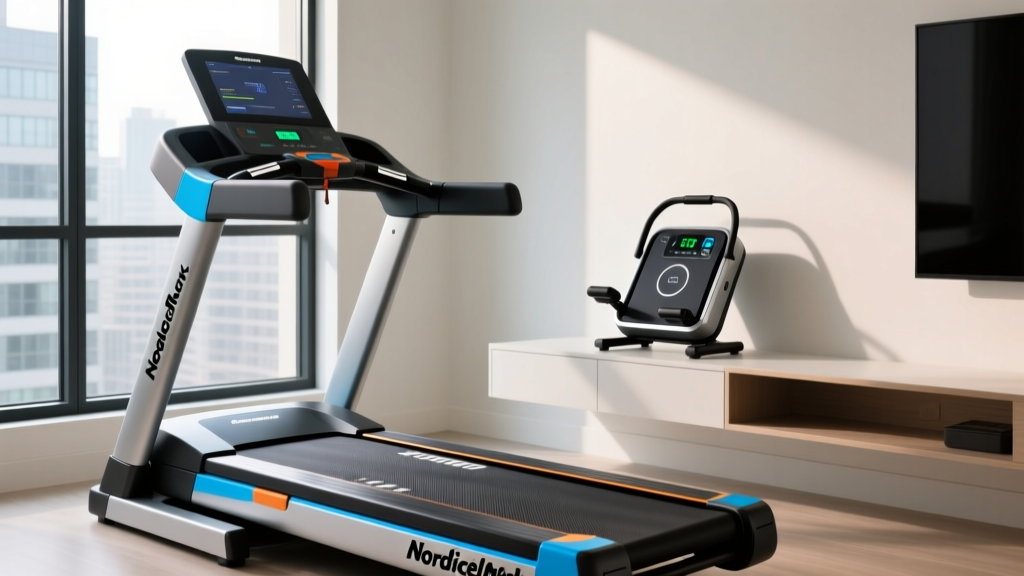
Allocating a $1,000 to $7,000 budget for home cardio equipment requires more than just comparing sticker prices. As fitness technology evolves, the market has bifurcated into highly specialized stationary bike types (upright, recumbent, and spin) and premium manual runners, specifically the conveyor belt treadmill. Unlike traditional motorized treadmills that rely on 3.0 HP motors and fragile electronic boards, a conveyor belt treadmill utilizes a curved, slat-belt track that operates purely on user-generated kinetic energy.
But which offers the best long-term value? According to the Mayo Clinic, consistency in aerobic exercise is the primary driver of cardiovascular health, meaning the "best" machine is the one that aligns with your biomechanics, space constraints, and financial reality. This budget breakdown dissects the true cost of ownership, hidden maintenance fees, and caloric ROI of upright, recumbent, and spin bikes compared to the elite conveyor belt treadmill.
Key Terminology: A conveyor belt treadmill (often called a curved or slat-belt manual treadmill) features individual rubber or vulcanized wood slats mounted on a heavy-duty track. It mimics the mechanics of an industrial conveyor belt, eliminating the need for a motor and shifting the cost from electronics to mechanical engineering.Stationary Bike Types: Upright, Recumbent, and Spin Breakdown
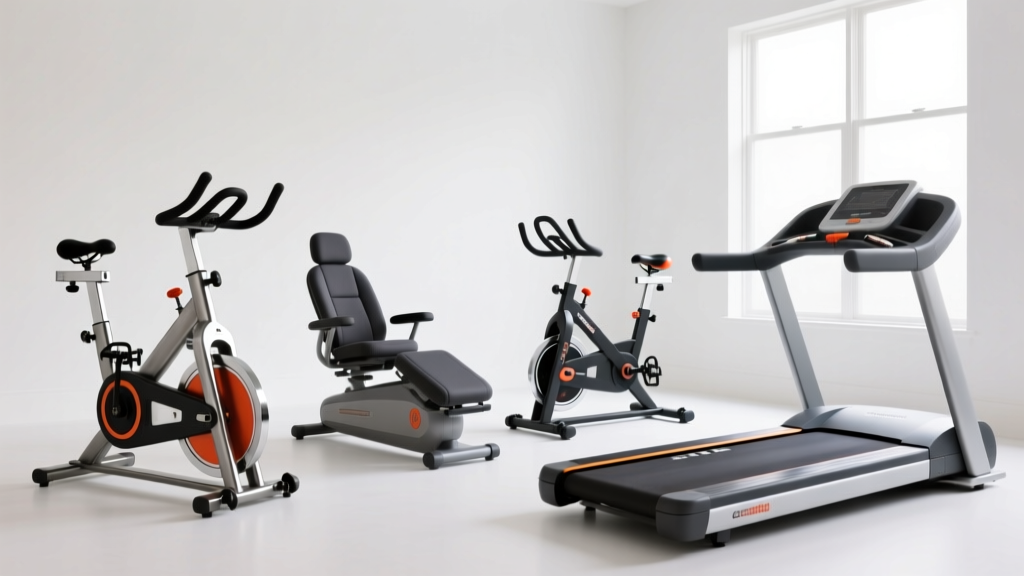
To understand the value proposition of a conveyor belt treadmill, we must first establish the baseline costs and mechanical realities of the three primary stationary bike types.
1. Spin Bikes (Indoor Cycles)
Spin bikes are designed to replicate the geometry of outdoor road bikes. They feature a heavy front or rear flywheel (typically 30 to 45 lbs) and utilize either friction or magnetic resistance.
- 2026 Pricing Range: $800 (Entry-level magnetic) to $2,500 (Smart connected).
- Top Value Model: Schwinn IC4 ($999). Features a 40-lb flywheel, belt drive, and dual-sided pedals (SPD and toe cages).
- Biomechanical Note: Look for a Q-factor (the horizontal distance between pedals) of 150mm to 170mm to prevent knee valgus during high-cadence intervals.
- Hidden Costs: Sweat corrosion. Spin bikes require meticulous wiping down of the handlebars and seat post; failure to do so leads to seized adjustment knobs within 18 months.
2. Upright Bikes
Upright bikes offer a more relaxed, traditional cycling posture with a wider, plush seat and higher handlebars. They are the middle ground between the aggressive posture of a spin bike and the laid-back nature of a recumbent.
- 2026 Pricing Range: $500 to $1,800.
- Top Value Model: Sole Fitness B94 ($1,099). Includes a 27-lb flywheel and a 10-inch LCD console with built-in cooling fans.
- Space Efficiency: Typically requires a footprint of just 42" x 24", making them ideal for compact apartments.
- Failure Modes: The primary point of failure on budget upright bikes (under $600) is the internal eddy-current magnetic resistor losing calibration, resulting in uneven resistance jumps.
3. Recumbent Bikes
Recumbent bikes feature a bucket seat with a full lumbar backrest and front-mounted pedals. They are the gold standard for users with lower back pathology, mobility restrictions, or those undergoing cardiac rehabilitation.
- 2026 Pricing Range: $700 to $4,500 (Medical-grade).
- Top Value Model: Schwinn 270 ($1,299). Offers 29 resistance levels and a step-through height of just 12 inches, crucial for users with limited hip flexion.
- Hidden Costs: Seat rail lubrication. The mesh seat back and sliding rail require silicone lubrication every 6 months to prevent squeaking and track degradation.
The Premium Alternative: Conveyor Belt Treadmill Costs & Value
The conveyor belt treadmill occupies the ultra-premium tier of home cardio. Because it lacks a motor, console motherboard, and motorized incline mechanics, you are paying entirely for aerospace-grade aluminum frames, polyurethane slat belts, and precision ball bearings.
Pricing and Model Breakdown
- AssaultRunner Elite: Priced at $3,299. Features a vulcanized rubber slat belt and a 350-lb weight capacity. It is the benchmark for CrossFit and HIIT communities.
- Woodway Curve: Priced at $7,400. The original curved manual treadmill, utilizing a patented slat-belt system that requires virtually zero maintenance for up to 150,000 miles.
The Caloric ROI
Why pay $3,000+ for a machine with no motor? The value lies in the metabolic demand. According to data from Harvard Health Publishing, vigorous stationary cycling burns roughly 315 to 441 calories per 30 minutes depending on body weight. However, studies on curved manual treadmills show they require up to 30% more energy output than motorized treadmills at the same speed, pushing caloric burn to 400-600+ calories per 30 minutes due to the user having to overcome the inertia of the heavy slat belt and the curved incline.
Head-to-Head Budget & ROI Matrix
The following matrix compares the 5-year total cost of ownership (TCO) across the four machine types, factoring in upfront costs, estimated maintenance, and energy consumption.
| Equipment Type | Avg. Upfront Cost | 5-Yr Maintenance | Footprint (LxW) | Resale Value Retention |
|---|---|---|---|---|
| Spin Bike | $999 | $50 (Pedal/strap replacements) | 48" x 24" | 55% (If app-compatible) |
| Upright Bike | $899 | $0 - $150 (Console board risk) | 42" x 24" | 30% |
| Recumbent Bike | $1,299 | $20 (Silicone lubricants) | 65" x 28" | 45% |
| Conveyor Belt Treadmill | $3,299 - $7,400 | $40 (Bearing grease/silicone) | 70" x 33" | 75% (High demand) |
Hidden Costs: Maintenance, Depreciation, and Failure Modes
When analyzing value, the initial purchase price is only half the equation. The mechanical realities of these machines dictate their long-term viability.
The Electronic Obsolescence Factor
Upright and recumbent bikes often feature complex LCD consoles with Bluetooth receivers and pre-programmed workout algorithms. In 2026, firmware updates and app compatibility are major selling points. However, when a console motherboard fails out of warranty (typically year 4 or 5), replacement parts can cost $300 to $500, effectively totaling the machine.
Conversely, a conveyor belt treadmill has virtually no electronic obsolescence. The AssaultRunner Elite features a simple, battery-powered LCD that tracks basic metrics. The value is in the mechanical drivetrain. The vulcanized rubber slats are rated for 150,000 miles, and the guide-wheel bearings can be replaced with standard hardware store components for under $30.
Space and Relocation Costs
A recumbent bike or a Woodway Curve conveyor belt treadmill weighs between 150 and 350 lbs and features a massive longitudinal footprint. If you plan to move within the next five years, factor in the cost of specialized freight or the physical risk of navigating a 300-lb curved treadmill down a staircase. Spin bikes, weighing roughly 100 lbs with a compact base and transport wheels, offer vastly superior spatial flexibility.
"The biggest mistake home gym buyers make is purchasing equipment based on peak motivation rather than daily friction. A $7,000 manual treadmill is a phenomenal metabolic tool, but if its 70-inch length blocks your living room walkway, it will become a $7,000 clothes rack within six months."
Final Verdict: Matching Your Budget to Your Biomechanics
Choosing between stationary bike types and a conveyor belt treadmill ultimately comes down to a triad of budget, joint health, and spatial reality.
The Decision Framework
- Choose a Spin Bike ($999) if: You have a budget under $1,500, limited square footage, and enjoy high-intensity interval training (HIIT) or synchronous virtual classes (e.g., Zwift, Peloton App).
- Choose an Upright Bike ($899) if: You want a traditional cardio experience with a smaller footprint and do not require the aggressive forward lean of a road bike geometry.
- Choose a Recumbent Bike ($1,299) if: You are managing lumbar radiculopathy, recovering from lower-extremity joint surgery, or require a low step-over height for safe mounting and dismounting.
- Choose a Conveyor Belt Treadmill ($3,299+) if: You have a dedicated gym space, a premium budget, and prioritize maximum caloric expenditure and natural running biomechanics without the joint-pounding impact of a rigid, motorized deck.
Ultimately, the conveyor belt treadmill represents the pinnacle of mechanical cardio engineering, offering unmatched longevity and metabolic output. However, for the majority of home gym users in 2026, a high-quality magnetic spin bike or recumbent bike delivers 85% of the cardiovascular benefits at less than a third of the capital expenditure, making them the undisputed champions of budget-to-value ROI.
More gear to consider
All reviews
Is NordicTrack a Good Treadmill? A Stair Climber Home Use Guide

AlterG Treadmill Cost vs. Assault Air Bike Maintenance Guide

Cardio Noise Comparison: Horizon Fitness Silicone Treadmill Belt Lubricant Fixes
Under Desk Treadmills 2026: Treadmill Walking Workouts for Beginners

Treadmill for Pregnant Women: Motor Size & HP Guide