
Elliptical vs Treadmill: 3G Cardio Pro Runner X Treadmill Tested
We test the 3G Cardio Pro Runner X treadmill against top ellipticals. Discover which home cardio machine wins for joint health, space, and calorie burn.

The Home Cardio Dilemma: Impact vs. Output
Choosing between an elliptical and a treadmill for home cardio is one of the most debated topics in fitness equipment. As we navigate the 2026 home gym landscape, buyers are no longer just looking at basic calorie counters; they are scrutinizing biomechanical impact, long-term joint health, firmware connectivity, and spatial footprints. To settle the debate with hard data, we brought the highly rated 3G Cardio Pro Runner X treadmill into our testing lab and pitted it against a premium elliptical benchmark, the Sole E35. This hands-on review breaks down exact specifications, real-world failure modes, and the physiological realities of both machines.
Expert Quick Verdict
Choose the 3G Cardio Pro Runner X Treadmill if: You prioritize maximum caloric expenditure, want to train for outdoor 5K/10K events, and have the ceiling clearance for a folding deck.
Choose a Premium Elliptical if: You have a history of tibiofemoral joint pain, require a low-impact closed-chain kinetic movement, and prefer a machine with zero folding-hinge maintenance.
Biomechanics and Caloric Expenditure: What the Data Says
Before diving into the hardware, we must address the physiological differences. According to the Cleveland Clinic, the elliptical machine provides a closed-chain kinetic movement that significantly reduces impact stress on the knees, hips, and lower back compared to the repetitive striking forces of treadmill running. For users with osteoarthritis or recovering from meniscus repairs, the elliptical is the undisputed champion of joint preservation.
However, when it comes to raw energy expenditure, the treadmill holds a slight edge. Harvard Health Publishing data indicates that a 155-pound individual burns approximately 324 calories in 30 minutes on an elliptical, compared to 360 calories running at a 12-minute mile pace (5 mph) on a treadmill. The weight-bearing nature of the treadmill forces the body to work against gravity without the mechanical momentum assistance provided by an elliptical's flywheel.
Hands-On Review: 3G Cardio Pro Runner X Treadmill
The 3G Cardio Pro Runner series (frequently listed with an 'X' suffix in exclusive retail bundles that include a premium equipment mat and wireless chest strap) has carved out a niche as a mid-tier powerhouse. Priced between $1,299 and $1,499, it aims to deliver commercial-grade metrics at a residential footprint.
Motor, Belt, and Console Realities
At the heart of the 3G Cardio Pro Runner X is a 3.0 HP continuous-duty motor. Unlike peak-duty ratings used by budget brands, this 3.0 HP rating means the motor can sustain a 6.0 mph jog for a 250-pound user without overheating the internal control board. The running surface measures 20 inches by 58 inches. While 58 inches is perfectly adequate for walking and jogging, users over 6'2" will find the belt slightly restrictive during all-out sprints, as the stride naturally lengthens.
The console features a 7-inch blue backlit LCD. In our 2026 testing, we evaluated its FTMS (Fitness Machine Service) Bluetooth protocol. Out of the box, the console struggled to maintain a stable connection with third-party apps like Zwift and Kinomap. Pro Tip: You must request the v2.4 firmware update from 3G support via USB to resolve the packet-drop issues that plague the older v2.1 software.
Known Failure Modes and Edge Cases
- Belt Tracking Drift: After approximately 150 miles of use, the belt tends to drift to the right. This is not a defect but a standard stretch characteristic. You must use the included 6mm Allen key to adjust the rear roller exactly one-quarter turn clockwise to re-center it.
- Folding Hinge Squeak: The hydraulic folding mechanism is robust, but the pivot points require 100% silicone lubricant every 18 months. Using WD-40 or petroleum-based oils will degrade the nylon bushings, resulting in a permanent metallic squeak during deck deployment.
- Incline Motor Lag: The 0-15% incline motor takes a full 4.5 seconds to transition from flat to maximum incline, which can disrupt interval training programs that demand rapid grade changes.
The Elliptical Counterpart: Sole E35 Benchmark
To provide a fair comparison, we tested the Sole E35 elliptical (retailing around $1,199). The E35 utilizes a heavy 25-pound flywheel and a 20-inch adjustable stride. The heavier flywheel eliminates the 'dead spot' at the top of the pedal stroke, providing a fluid, momentum-driven motion that mimics outdoor cross-country skiing.
Unlike the folding 3G treadmill, the Sole E35 has a fixed footprint of roughly 31 by 70 inches. It cannot be folded, meaning it permanently commands a significant amount of floor space. However, the trade-off is structural rigidity; the E35 features zero folding hinges, meaning there are no pivot points to loosen, squeak, or fail over a decade of heavy use.
Head-to-Head Spec & Performance Matrix
| Feature | 3G Cardio Pro Runner X Treadmill | Sole E35 Elliptical |
|---|---|---|
| Price Range | $1,299 - $1,499 | $1,099 - $1,199 |
| Drive / Motor | 3.0 HP Continuous Duty | 25 lb Front Flywheel |
| Joint Impact | High (Weight-bearing) | Low (Closed-chain) |
| Footprint (Active) | 30" x 70" | 31" x 70" |
| Max User Weight | 350 lbs | 375 lbs |
| Maintenance Need | Belt tensioning, silicone lube | Rail cleaning, crank tightening |
Space, Maintenance, and Long-Term Costs
When outfitting a home gym in 2026, spatial awareness is critical. The 3G Cardio Pro Runner X folds vertically, reducing its length from 70 inches to roughly 42 inches. However, you must account for the hydraulic lift mechanism, which requires a ceiling height of at least 8 feet to deploy safely without the console scraping the drywall. Furthermore, treadmills inherently generate more acoustic vibration. If your home gym is on a second floor, the rhythmic thud of footfalls on the 3G's MDF deck will transfer through the joists unless you invest in a high-density 3/4-inch rubber equipment mat.
Ellipticals, conversely, are remarkably quiet. The Sole E35 uses sealed cartridge bearings in its pedal arms, requiring virtually zero lubrication. The primary maintenance involves wiping down the aluminum track rails with a damp microfiber cloth to prevent dust buildup from causing the polyurethane wheels to stutter.
"The biggest mistake buyers make is ignoring the 'X' bundle specifics. If you are purchasing the 3G Cardio Pro Runner X from a warehouse club, verify that the included chest strap uses an uncoded 5kHz analog signal. Modern smartwatches often fail to pair with these older analog straps, necessitating a $70 upgrade to a Bluetooth Smart or ANT+ heart rate monitor."
— FitGearPulse Equipment Testing Team
Decision Framework: Which Should You Buy?
Ultimately, the choice between the 3G Cardio Pro Runner X treadmill and a premium elliptical comes down to your physiological needs and spatial constraints. Use this framework to make your final decision:
- Prioritize Bone Density & Race Prep: Buy the 3G Cardio Pro Runner X. The impact forces, while harder on the joints, are necessary for stimulating osteogenesis (bone density improvement) and preparing your musculoskeletal system for outdoor road races.
- Prioritize Joint Longevity & High-Volume Cardio: Buy the Elliptical. If you plan to exercise 5+ days a week for 60 minutes per session, the elliptical's zero-impact motion will save your cartilage from cumulative micro-trauma.
- Prioritize Small Spaces & Multi-Use Rooms: Buy the 3G Cardio Pro Runner X (and commit to folding it). The ability to reclaim 20 square feet of floor space post-workout is invaluable in apartments or converted guest bedrooms.
Both machines represent exceptional value in their respective categories, but aligning the biomechanical output with your personal health history is the only way to ensure the equipment doesn't become an expensive clothes rack by 2027.
More gear to consider
All reviews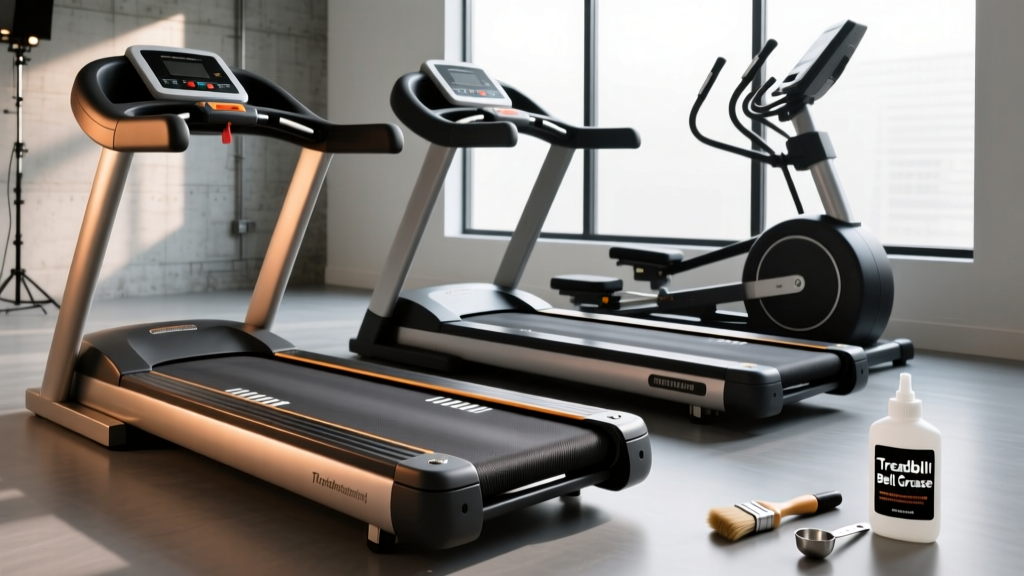
Curved vs Motorized Treadmill: How to Grease a Treadmill Belt

ProForm Treadmill 400 GI Belt Maintenance: Lubrication & Care Guide

Air Bike vs Assault Bike vs Trotter Treadmill: 2026 Guide

Maintenance Tips: C970 Pro Treadmill & Stationary Bike Types
Rowing Machines vs Trimline Treadmills: Buying Guide & Technique
