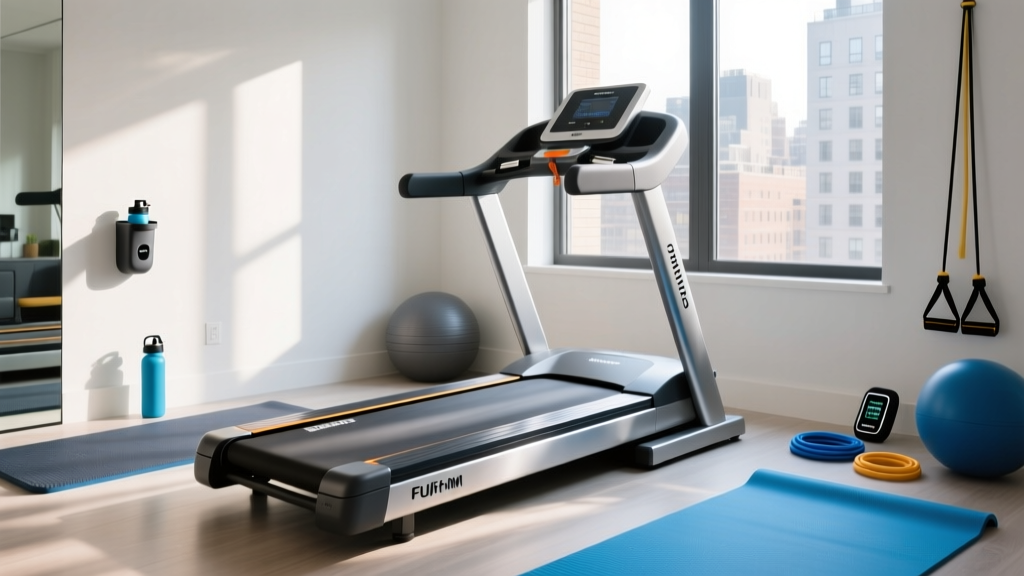
3 3 30 Treadmill Belt Maintenance: Cost & Value Breakdown
Analyze the true cost of 3 3 30 treadmill belt maintenance. Compare DIY lubrication, professional servicing, and replacement budgets for maximum ROI.

The Financial Impact of the 3 3 30 Treadmill Workout
The 3 3 30 treadmill workout—walking at a 3% incline, 3 mph speed, for 30 minutes—has become a cornerstone of low-impact cardiovascular training. While this routine is highly effective for fat oxidation and joint preservation, it creates a highly specific, repetitive friction profile on your machine. If you perform this workout five days a week, you are logging 7.5 miles weekly, or roughly 390 miles annually. Over a three-year period, that equates to 1,170 miles of continuous belt-to-deck friction.
From a budget and value analysis perspective, neglecting treadmill belt maintenance while adhering to a high-volume routine like the 3 3 30 protocol is a financial liability. The friction generated by an unlubricated belt does not just wear down the rubber; it creates a cascade of mechanical failures that can turn a $15 annual maintenance task into a $600 motor replacement. This guide breaks down the exact costs, ROI, and value propositions of maintaining your treadmill belt in 2026.
Quick Budget Snapshot: Annual Maintenance Costs
- Proactive DIY Maintenance: $10 - $18 per year
- Professional Service Call: $95 - $150 per visit
- Cost of Neglect (Motor/Deck Failure): $350 - $700+
Wear Patterns: Why 3 MPH at 3% Incline Alters Deck Degradation
Biomechanically, walking at a 3% incline shifts the user's center of gravity slightly backward compared to flat walking. According to biomechanical analyses of incline walking by the American Council on Exercise (ACE), this posterior weight shift places concentrated pressure on the rear third of the treadmill deck. When combined with a constant 3 mph pace, this creates a localized 'hot spot' of friction directly under the user's heel-strike zone.
The Friction Multiplier Effect
Treadmill decks are typically constructed from medium-density fiberboard (MDF) coated with a phenolic resin or a factory-applied wax layer. When the belt is dry, the coefficient of friction increases exponentially. This localized heat literally melts the phenolic coating, exposing the raw MDF beneath. Once the wood core is exposed, it acts like sandpaper, rapidly destroying the underside of the walking belt and drastically increasing the amp draw on the drive motor.
2026 Cost Matrix: Maintenance vs. Replacement Budgets
To understand the true value of maintenance, we must compare the out-of-pocket costs of proactive care against the reactive costs of component failure. The pricing below reflects average 2026 market rates for mid-tier to premium residential treadmills (e.g., Sole F63, NordicTrack T Series, ProForm Pro models).
| Component / Service | DIY Cost | Professional Service Cost | Neglect Cost (Failure) |
|---|---|---|---|
| 100% Silicone Lubricant (Annual) | $10 - $15 | $85 - $120 (incl. labor) | N/A |
| Walking Belt Replacement | $45 - $90 | $180 - $275 | Premature failure at 1.5 yrs |
| Deck Replacement (Phenolic) | $90 - $160 | $250 - $400 | Warping and structural failure |
| Motor Control Board (MCB) | N/A | N/A | $150 - $300 |
| Drive Motor Replacement | N/A | N/A | $250 - $450 |
The Hidden Financial Drain: Motor Amp Draw and Electricity
The value of belt lubrication extends beyond preventing physical wear; it directly impacts your monthly utility budget and the lifespan of your treadmill's electronics. A well-lubricated treadmill operating under a 200 lb user at 3 mph typically draws between 2 to 4 amps. When the belt dries out and friction increases, the motor must work significantly harder to maintain the 3 mph speed required for your 3 3 30 treadmill routine.
Expert Insight: According to manufacturer maintenance guidelines from Sole Fitness, an unlubricated belt can cause motor amp draw to spike to 8-12 amps. This excessive current generates immense heat in the lower motor control board (MCB). The MCB is the most common electronic casualty of poor belt maintenance, and replacing it often requires a professional diagnostic fee plus the $200+ part cost.
Furthermore, a 20% drop in motor efficiency due to friction translates to higher wattage consumption. While the per-session electricity cost increase is marginal (pennies per day), over five years of daily 3 3 30 workouts, the compounded energy waste adds up, further diminishing the ROI of your fitness equipment investment.
Step-by-Step Value Guide: DIY Belt Lubrication Protocol
To maximize your maintenance budget, DIY lubrication is the undisputed winner. Professional service calls charge a premium for a task that takes less than 10 minutes. Here is the exact protocol to ensure optimal value and machine longevity.
Materials Required
- 100% Pure Silicone Treadmill Lubricant: Must be non-petroleum based. Petroleum distillates (like WD-40) will dissolve the rubber compounds in the belt and destroy the deck coating. Budget $12 for a high-quality squeeze bottle with an applicator tube.
- Allen Wrench Set: Usually provided with the treadmill, used for minor belt tension adjustments if necessary.
- Microfiber Cloth: For wiping away excess silicone.
The Application Process
- Verify Belt Tension: Before lubricating, ensure the belt is properly tensioned. You should be able to lift the edge of the belt 2 to 3 inches off the deck in the center. If it is too tight, it will squeeze the lubricant out the edges; if too loose, it will slip during your 3 mph walk.
- Loosen the Belt (Optional but Recommended): Use your Allen wrench to turn the rear roller adjustment bolts counter-clockwise by exactly two full turns on each side. This creates a gap for the applicator tube.
- Apply the Silicone: Insert the applicator tube under the belt, aiming toward the center of the deck. Squeeze exactly 0.5 ounces (roughly half a standard squeeze bottle line) in a zig-zag pattern across the width of the deck. Repeat on the opposite side.
- Retighten and Distribute: Return the adjustment bolts to their original position (two full turns clockwise). Turn the treadmill on and run it at 3 mph for 5 minutes. Walk on it lightly to help press the silicone evenly across the entire deck surface.
- Clean the Edges: Wipe away any silicone that seeps out onto the side rails to prevent slipping hazards.
Analyzing the Break-Even Point: When to Replace
Maintenance has a finite ROI. Eventually, the physical materials degrade beyond the point where lubrication can restore value. Knowing when to transition from a maintenance budget to a replacement budget is critical for financial planning.
Signs the Break-Even Point Has Been Reached
- Visible Deck Wear: If you can see the dark, raw MDF wood showing through the underside of the belt when you lift it, the phenolic coating is gone. Lubricating a bare wood deck is a waste of money; the wood will absorb the silicone and still cause high friction. Financial Action: Budget $150 for a new belt and deck combo.
- Belt Fraying and Delamination: If the edges of the belt are fraying, or if the top rubber layer is separating from the bottom fabric layer, the structural integrity is compromised. Financial Action: Budget $60 for a replacement belt.
- Persistent Slipping Post-Lubrication: If the belt slips underfoot during your 3 3 30 treadmill workout even after proper tensioning and lubrication, the belt's internal fabric matrix has stretched beyond its elastic limit. Financial Action: Replace the belt immediately to avoid fall-related injuries.
Final Value Verdict
Committing to a high-frequency, low-impact routine like the 3 3 30 treadmill workout is an excellent investment in your cardiovascular health. However, treating your treadmill as a maintenance-free appliance is a critical budget error. By allocating just $15 a year to 100% silicone lubrication and spending 10 minutes every three months to apply it, you effectively insure your machine against $500+ in catastrophic motor and deck failures. The ROI of proactive DIY belt maintenance is unmatched in the home fitness space, ensuring your machine remains a reliable asset rather than a depreciating liability.
More gear to consider
All reviews
Precor Professional Treadmill Belt Maintenance: 2026 TCO Trends

Weslo Cadence G 5.9 Treadmill Instruction Manual vs Curved Setup
Horizon Fitness Treadmill 2.50 HP Ultra Quiet Motor Belt Lube Costs

Folding Treadmill Review & Anti-Gravity Treadmill Phoenix AZ

LifeSpan TR1200i Folding Treadmill Belt Maintenance Guide
