
Pull-Up Bar Types vs Lat Pulldown Machine Biceps (2026)
Compare doorway, wall, and ceiling pull-up bar types against the lat pulldown machine for biceps growth. Expert 2026 reviews and installation tips.

The Biomechanics: Pull-Up Bars vs. Lat Pulldown Machine Biceps Activation
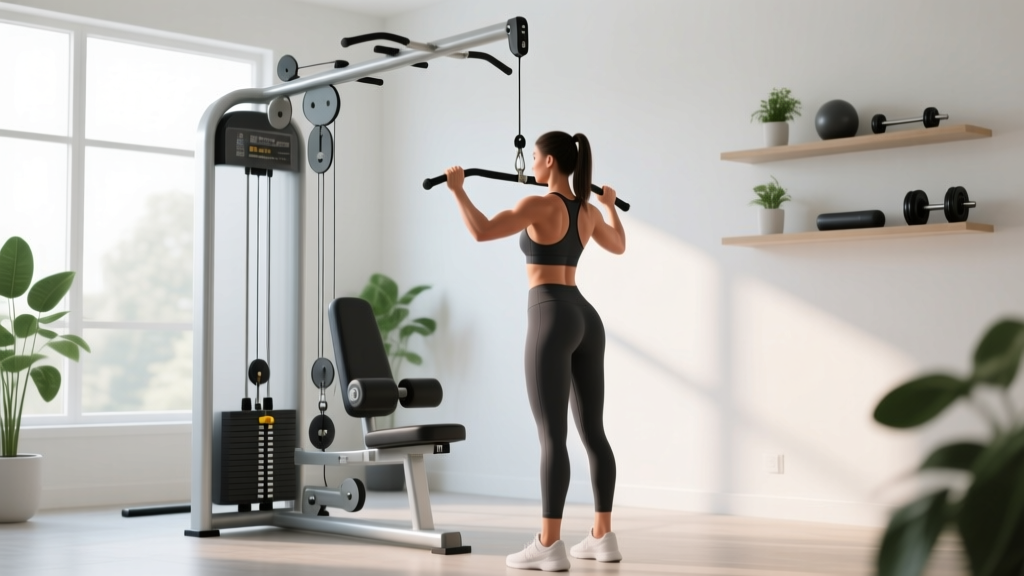
When designing a comprehensive back and arm hypertrophy program, understanding the biomechanical differences between freestanding pull-up bars and cable-driven machines is critical. Many lifters transitioning from a traditional lat pulldown machine biceps routine to bodyweight alternatives often underestimate the stabilizer recruitment required for closed-kinetic chain movements. According to ExRx.net's kinesiology directory, a pull-up or chin-up forces the core, glutes, and lower traps to stabilize the torso, whereas a seated lat pulldown machine isolates the lats and biceps by bracing the thighs against a pad.
For targeted biceps brachii and brachioradialis development, the grip orientation matters immensely. A supinated grip (chin-up) on a pull-up bar yields significantly higher electromyographic (EMG) activation in the biceps compared to the pronated (overhand) grip typically used on a standard lat pulldown bar. While a lat pulldown machine allows for precise micro-loading and drop sets, pull-up bars demand functional strength and offer superior carryover to real-world athletic performance. In this 2026 equipment guide, we break down the three primary pull-up bar types—doorway, wall-mounted, and ceiling-mounted—to help you choose the best rig for your home gym.
Doorway Pull-Up Bars: The Space-Saving Biceps Builder
Doorway pull-up bars are the most accessible entry point for home athletes. They rely on leverage and telescopic tension to secure against the door frame trim. However, they come with strict weight limits and structural prerequisites.
Hands-On Review: Perfect Fitness Multi-Gym Pro
Priced between $35 and $45, the Perfect Fitness Multi-Gym Pro remains a top seller in 2026 due to its multi-grip foam handles and padded door frame protectors. The 1-inch diameter grips are slightly thinner than standard Olympic bars, which actually increases grip fatigue but allows for a tighter squeeze, indirectly boosting forearm and biceps activation during the concentric phase of the pull.
⚠️ Expert Warning: Door Frame IntegrityNever install a leverage-based doorway pull-up bar on hollow-core doors or drywall-framed archways without solid wood trim. The dynamic load of a kipping or weighted pull-up can easily exceed 300 lbs of sheer force, ripping the trim off the wall. Always verify your trim is nailed into structural studs.
- Pros: Zero drilling required, portable, budget-friendly, multiple grip widths for varied biceps angles.
- Cons: Limited head clearance (restricts full range of motion for taller lifters), max weight capacity usually capped at 250-300 lbs, cannot safely accommodate heavy weight belts.
Wall-Mounted Pull-Up Bars: Heavy-Duty Hypertrophy
If you are serious about weighted chin-ups to maximize biceps hypertrophy, a wall-mounted pull-up bar is non-negotiable. These units bolt directly into wooden studs or masonry, offering rock-solid stability for heavy loads and dynamic movements.
Hands-On Review: Rogue Jammer & Titan Fitness Multi-Grip
The Rogue Jammer Pull-Up Bar (approx. $145) features a 30-inch wide main bar with 1.25-inch knurled steel grips. The knurling is aggressive enough to prevent slipping during heavy weighted sets but won't tear your calluses. For those needing neutral grips to target the brachialis (the muscle pushing up the biceps peak), the Titan Fitness Wall Mounted Multi-Grip ($129) offers an ergonomic 11-gauge steel frame.
Installation requires locating 16-inch on-center wooden studs. You must use the included 3/8-inch x 3-inch lag bolts, driven at least 2 inches into the center of the stud. According to the American Council on Exercise (ACE), ensuring a structurally sound mounting surface is the most critical safety factor in home gym equipment setup.
| Feature | Rogue Jammer | Titan Multi-Grip |
|---|---|---|
| Steel Gauge | 11-Gauge | 11-Gauge |
| Grip Diameter | 1.25 inches | 1.15 inches |
| Weight Capacity | 500+ lbs | 400 lbs |
| Wall Clearance | 14 inches | 18 inches |
Ceiling-Mounted Pull-Up Bars: Unrestricted Range of Motion
Ceiling-mounted pull-up bars are the ultimate solution for athletes with high ceilings or limited wall space (e.g., garages with windows or brick walls unsuitable for lag bolts). By suspending the bar from overhead joists, you gain 360-degree access and unlimited vertical clearance.
Hands-On Review: Ultimate Body Press Ceiling Mounted Rig
Retailing around $110, the Ultimate Body Press Ceiling Mounted Pull-Up Bar hangs via heavy-duty steel brackets. The primary advantage here is head clearance. When performing strict, dead-hang chin-ups for maximum biceps stretch, taller lifters (over 6'0") often hit their heads on the ceiling or wall with other mounts. A ceiling drop of 18 to 24 inches ensures you can achieve a full lockout at the top of the movement without craning your neck.
"For optimal biceps hypertrophy, the eccentric stretch at the bottom of the pull-up is just as vital as the concentric squeeze at the top. Ceiling mounts allow taller athletes to achieve this full range of motion without spatial restrictions."
Installation Note: You must mount the brackets perpendicular to your ceiling joists. Use a stud finder to locate joists (typically 16 or 24 inches on center). If your ceiling is finished with drywall, you will need to drill through the drywall and bite at least 2.5 inches into the structural lumber using 3/8-inch structural screws.
Comparison Matrix: Pull-Up Bar Types vs. Lat Pulldown Machines
To help you decide whether to invest in a freestanding bar or stick to cable machines, review this direct comparison based on 2026 home gym standards.
| Criteria | Pull-Up Bars (Wall/Ceiling) | Home Lat Pulldown Machine |
|---|---|---|
| Average Cost | $110 - $150 | $400 - $1,500+ |
| Biceps Activation | Extremely High (Closed-chain, heavy stabilizer demand) | High (Open-chain, isolated, easier to drop-set) |
| Footprint | Minimal (Utilizes vertical/dead space) | Large (Requires 4x6 ft floor space) |
| Progressive Overload | Requires weight belt or vest | Simple pin-selector weight stack |
Expert Installation & Safety Protocols
A pull-up bar is only as safe as its mounting hardware. Follow this step-by-step protocol to ensure your wall or ceiling mount can handle dynamic loading:
- Locate and Mark Studs/Joists: Use a magnetic or electronic stud finder. Never rely on knocking on the wall. Mark the exact center of the stud.
- Verify Plumb and Level: Use a 24-inch torpedo level to ensure your mounting holes are perfectly horizontal. An unlevel bar will cause asymmetric lat and biceps recruitment, leading to muscle imbalances over time.
- Pre-Drill Pilot Holes: Drill a pilot hole using a 7/32-inch or 1/4-inch wood bit. This prevents the 3/8-inch lag bolt from splitting the wooden stud, which would catastrophically compromise the shear strength of the mount.
- Torque the Hardware: Use a socket wrench to drive the lag bolts. Stop when the washer is flush and tight against the steel bracket. Overtightening can strip the wood threads inside the stud.
- The 'Dead Hang' Test: Before performing any pull-ups, hang from the bar statically for 60 seconds. Listen for any creaking, popping, or shifting in the drywall or brackets.
Ultimately, while a lat pulldown machine offers convenience and isolation, integrating a heavy-duty wall or ceiling pull-up bar into your routine provides unmatched functional strength and superior biceps engagement through closed-kinetic chain mechanics. Choose the mount that fits your spatial constraints, respect the installation protocols, and watch your back and arm development reach new heights in 2026.
More gear to consider
All reviews
Best Back Massager Gun for Home Gym Recovery 2026
Smart Safety Tips: Evidence-Based Strategies for Real-World Protection

Life Fitness Lat Pulldown Machine: 2026 Buying Guide

Beginner Guide: Using a Technogym Lat Pulldown Machine for Posture
Best Lat Pulldown Machine for Women: 2026 Buyer's Guide
