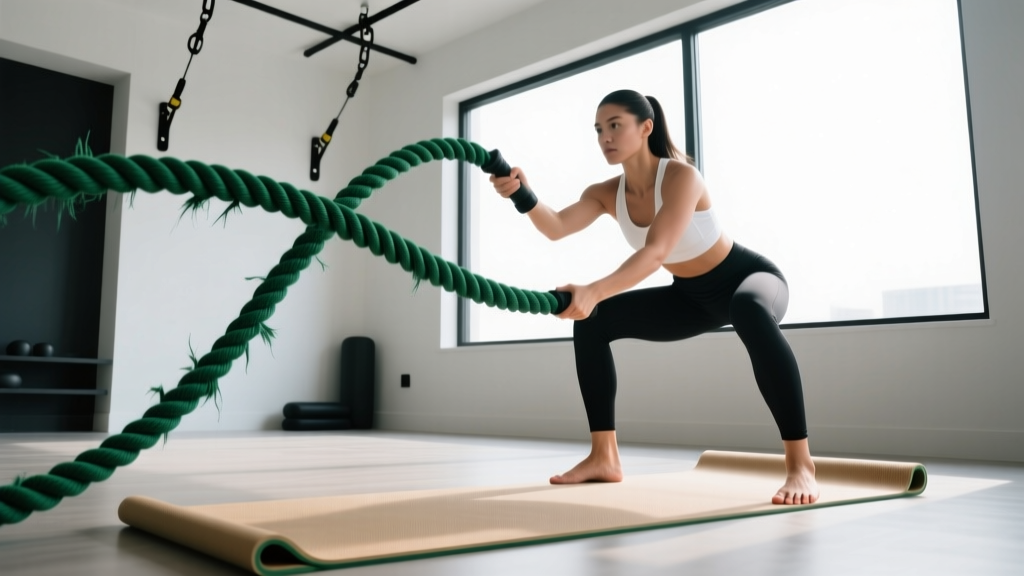
Yogitoes Hot Yoga Mat Towel & Medicine Ball Weight Selection Setup
Master your functional gym setup with our medicine ball weight selection guide and tips for integrating your Yogitoes hot yoga mat towel recovery zone.

The Dual-Zone Home Gym: Explosive Power Meets Active Recovery
Designing a comprehensive home gym requires balancing high-impact functional training with dedicated active recovery spaces. In 2026, the most efficient garage and basement gyms are split into distinct micro-zones. This complete setup and installation walkthrough focuses on two critical components: the explosive functional zone, anchored by a precise medicine ball weight selection guide, and the parasympathetic recovery corner, optimized with the Manduka Yogitoes hot yoga mat towel. By mastering the installation of wall targets, storage racks, and recovery mat layering, you create a seamless flow from high-velocity plyometrics to deep-tissue stretching.
Phase 1: Functional Zone Installation & Target Setup
Before purchasing your medicine ball arsenal from retailers like Rogue Fitness, you must prepare the physical space. Medicine ball training generates immense kinetic energy, requiring reinforced structural installations.
Mounting the Wall Ball Target
Standard CrossFit and functional fitness protocols dictate specific target heights: 10 feet for men and 9 feet for women. To install a durable target that can withstand thousands of impacts from a 20-pound gel-filled ball, follow these structural steps:
- Locate the Studs: Use a magnetic stud finder to locate wall studs spaced 16 inches on-center (OC).
- Install Backing: Cut a 4-foot by 4-foot section of 3/4-inch sanded plywood. Secure it directly to the studs using 3-inch structural lag screws.
- Add Impact Padding: Mount a 1-inch thick EVA foam mat or a dedicated rubber target pad over the plywood to absorb shock and reduce noise transfer to the rest of the house.
- Mark the Lines: Use high-visibility athletic tape or painted lines to mark the 9-foot and 10-foot thresholds.
Vertical Storage Rack Installation
Medicine balls should never be stored on the floor where they can become tripping hazards or degrade from concrete moisture. Install a vertical wall-mounted rack. Ensure the rack's base bracket is anchored into a stud, as a fully loaded 5-tier rack holding 150 pounds of dead weight will easily rip through standard drywall anchors.
Phase 2: Medicine Ball Weight Selection Guide
Selecting the correct medicine ball is not just about picking a heavy weight; it is about matching the shell material, core composition, and bounce profile to the specific biomechanical movement pattern. According to strength training guidelines from the Mayo Clinic, utilizing varied resistance profiles enhances muscular endurance and explosive power. Here is the definitive 2026 selection matrix.
1. Slam Balls (Dead Bounce / High-Velocity Impact)
Core & Shell: Filled with dry sand or an iron-sand hybrid, encased in a thick, textured PVC or vulcanized rubber shell. They are engineered to absorb impact and exhibit zero rebound.
Use Case: Overhead slams, rotational throws into concrete walls, and bear-crawl drags.
Weight Selection: Because the movement relies on gravity and rapid acceleration, users can handle heavier loads than traditional free weights. Beginners should start with 10-15 lbs to master the hip-hinge catch phase. Intermediate athletes should utilize 20-30 lbs, while advanced users can scale to 40-50+ lbs for maximal power output.
2. Wall Balls (Controlled Bounce / Squat-to-Press)
Core & Shell: Filled with a gel-sand mixture to maintain a consistent center of gravity, wrapped in a soft PVC or synthetic leather shell to protect both the user's face and the wall target.
Use Case: Thrusters, wall ball shots, and lunges.
Weight Selection: The standard 'Rx' weights are 20 lbs for men and 14 lbs for women. However, for high-volume cardiovascular conditioning (AMRAPs), dropping down to a 12 lb or 16 lb ball preserves form and prevents shoulder impingement during the catch phase.
3. Leather Medicine Balls (Zero Bounce / Grip Focus)
Core & Shell: Tightly packed sand core wrapped in genuine or high-grade synthetic leather with laced or stitched seams.
Use Case: V-ups, Russian twists, chest passes, and rehabilitation protocols.
Weight Selection: Keep it light. 4 to 10 lbs is ideal. The leather shell provides superior grip when sweaty, making it perfect for core isolation work where a heavy, slippery PVC ball would cause lower back strain.
Medicine Ball Selection Matrix (2026 Pricing & Specs)
| Movement Pattern | Recommended Ball Type | Optimal Weight Range | Avg. 2026 Cost |
|---|---|---|---|
| Overhead Slams | Rubber Slam Ball (Dead Bounce) | 20 - 40 lbs | $65 - $135 |
| Wall Ball Shots | Soft PVC Wall Ball | 14 - 20 lbs | $80 - $120 |
| Rotational Throws | Leather Medicine Ball | 6 - 12 lbs | $45 - $90 |
| Core Isolation (V-Ups) | Grip-Textured Slam Ball | 10 - 15 lbs | $40 - $60 |
Failure Modes and Edge Cases
When selecting a slam ball, beware of cheap air-filled or water-filled alternatives. Under high-velocity impact, air-filled balls will eventually split at the seams, and water-filled balls pose a severe slipping hazard if they rupture. Furthermore, budget sand-filled balls often suffer from 'core migration,' where the sand settles at the bottom of the shell, creating an uneven center of gravity that can cause wrist sprains during rotational catches. Always invest in multi-layered, vacuum-sealed sand cores.
Pro-Tip: If you purchase a heavy slam ball (30+ lbs) and notice the sand has settled during shipping, roll it vigorously on a rubber mat for 2-3 minutes to redistribute the internal core before your first workout.
Phase 3: The Recovery Zone & Yogitoes Integration
Once the functional zone is installed and your medicine balls are racked, you must establish a dedicated recovery area. Transitioning immediately from high-intensity wall ball circuits to static stretching requires a stable, hygienic surface. This is where the Yogitoes hot yoga mat towel becomes an essential piece of gym infrastructure.
Why the Yogitoes Towel is Critical for Functional Athletes
Standard rubber stall mats or bare hardwood floors are slippery when covered in post-WOD sweat. The Yogitoes towel features patented Skidless® technology—silicone nodules embedded on the underside that grip the floor or underlying mat, preventing dangerous slips during dynamic stretches like downward-facing dog or pigeon pose. Furthermore, the towel is woven from REPREVE® recycled yarn, which wicks moisture away from the body, accelerating the cooling process and helping down-regulate the central nervous system after heavy plyometrics.
Setup and Placement Walkthrough
- Base Layer: Lay down a high-density 5mm or 6mm yoga mat (such as the Manduka PRO) in a quiet corner away from the wall ball target zone to avoid accidental impacts.
- Towel Alignment: Unroll the Yogitoes hot yoga mat towel (Standard 64' x 24' or Extra Long 72' x 26') directly over the base mat. Ensure the silicone nodules are facing down.
- Activation: If your base mat is brand new and has a factory film residue, lightly mist the underside of the Yogitoes towel with water to activate the suction of the Skidless nodules.
Care and Maintenance Protocol
To maintain the structural integrity of the silicone grips and the moisture-wicking capabilities of the fabric, strict washing protocols must be followed. Wash the towel in cold water with like colors. Never use fabric softener or dryer sheets. Fabric softeners coat the recycled yarn fibers, destroying their capillary action and rendering the towel slippery. Tumble dry on low or hang dry. Proper maintenance ensures the towel survives years of heavy use in a home gym environment.
Summary: Your Complete Gym Flow
By meticulously installing your wall targets, selecting the exact medicine ball weights tailored to your biomechanical needs, and prepping a secure recovery zone with the Yogitoes hot yoga mat towel, you eliminate friction from your daily training routine. You move safely from explosive sagittal-plane slams to controlled transverse-plane rotations, and finally into deep parasympathetic stretching—all within a few square feet of optimized, professionally installed home gym space.
More gear to consider
All reviews
Pilates Equipment Accessories Guide: Budget Breakdown & Storing Yoga Mats
Exercise Ball Size Guide & Budget Yoga Mat for Camping

Speed, Beaded, Weighted Jump Ropes & A Yoga Mat Bag With Pockets

Pilates Accessories Guide: Yogitoes Yoga Mat Towel Review

Prana Verde Yoga Mat & Resistance Band Sets: Levels & Types