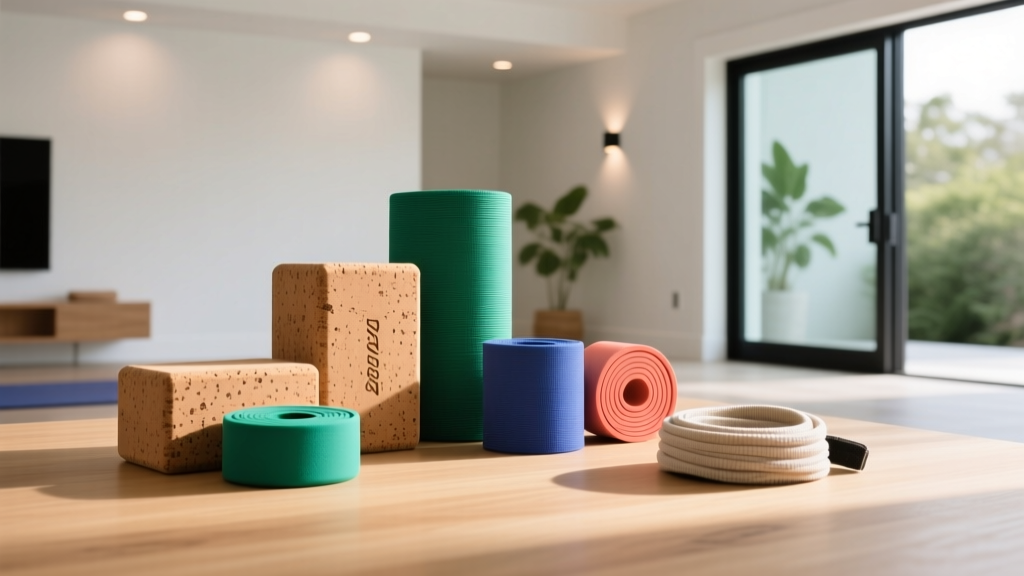
Beyond Buying Yoga Mats at Whole Foods: Block & Strap Care Guide
Upgrade from basic yoga mats at Whole Foods. Discover our expert buying, maintenance, and longevity guide for premium yoga blocks and straps.

While picking up basic yoga mats at Whole Foods is a convenient entry point for beginners grabbing groceries and a casual Gaiam or Manduka eKO mat in one trip, building a lasting, supportive practice requires a more critical approach to your secondary props. Blocks and straps endure immense mechanical stress, acidic sweat, and environmental wear. Unlike a mat that simply cushions your joints, blocks bear your full body weight in inversions, and straps act as tension-bearing ligaments in restorative binds. If you are transitioning from casual grocery-store gear to a dedicated home studio setup in 2026, understanding the material science and maintenance protocols of your props is non-negotiable.
The Material Matrix: Choosing Blocks Built to Last
The standard yoga block measures 4" x 6" x 9", but the internal density and surface porosity dictate its lifespan. When moving beyond the entry-level foam blocks often found in big-box retail bins, you must evaluate the failure modes of premium materials.
EVA Foam: The Lightweight Workhorse
High-density EVA (Ethylene-Vinyl Acetate) foam blocks, such as the Gaiam Yoga Block ($9–$14), are popular for travel. However, the primary failure mode of EVA foam is permanent compression set. If you regularly use the 4-inch edge for deep lunges or arm balances, low-density foam will develop micro-tears and eventually crush down by 15-20% within 18 months. For longevity, only purchase EVA foam with a stated density of at least 130 kg/m³.
Cork: The Antimicrobial Standard
Cork blocks, like the Manduka Cork Block ($24–$28), offer superior grip when wet and a firm, unyielding edge. Cork is naturally antimicrobial due to suberin, a waxy substance in the bark. The edge case failure for cork is delamination and chipping caused by excessive moisture trapped in the core, or dropping the block on hard concrete surfaces, which can fracture the compressed granules.
Bamboo: The Indestructible Niche
Bamboo blocks (Hugger Mugger Bamboo Block, $35–$45) are virtually indestructible and will outlast your practice. However, they lack friction. In 2026, the best bamboo blocks feature laser-etched micro-grooves on the 4x6 faces to prevent hand slippage during Downward Dog.
| Material | Avg. Price (2026) | Lifespan | Primary Failure Mode | Maintenance Level |
|---|---|---|---|---|
| High-Density EVA | $9 - $14 | 2-4 Years | Compression set, edge flaking | Low |
| Natural Cork | $24 - $28 | 5-10+ Years | Moisture warping, corner chipping | Medium |
| Bamboo / Wood | $35 - $45 | Lifetime | Surface slipping (user error) | Low |
Strap Selection: Webbing, Hardware, and Wear Mechanics
A yoga strap is essentially a climbing-grade tension belt. The two critical components are the webbing and the hardware. According to Yoga Journal, using the correct strap length and material is vital for safe alignment, but maintaining the hardware is what ensures longevity.
Cotton vs. Nylon Webbing
Unbleached cotton straps (typically 1.5 inches wide and 8 or 10 feet long) provide a tactile grip that nylon lacks, making them ideal for restorative yoga where the strap wraps around bare skin. However, cotton is highly susceptible to shrinkage and oxidation staining. If machine washed in hot water, a 10-foot cotton strap can shrink by up to 8%, altering your binding mechanics. Nylon straps, while immune to shrinkage, suffer from UV degradation and edge fraying when exposed to direct sunlight over time.
The D-Ring vs. Cinch Buckle Debate
Cheap straps often use stamped metal D-rings with sharp inner welds. Under the 40-60 lbs of tension generated during a hamstring stretch, these sharp welds act like micro-shears, slowly cutting the cotton fibers from the inside out. Always inspect the inner curve of the D-ring. If it is not perfectly smooth or polished, retire the strap. Alternatively, opt for a polycarbonate cinch buckle, which eliminates metal-on-fabric abrasion entirely, though it can crack if stepped on barefoot.
⚠️ The Grocery Store Gear Trap
When buying accessories alongside your yoga mats at Whole Foods or similar grocery chains, be wary of 'value' strap sets. These frequently feature uncoated steel D-rings that will oxidize and rust within 3-6 months of exposure to humid studio environments or sweaty hands, permanently staining your webbing and compromising structural integrity.
Maintenance Protocols: Extending the Lifespan of Your Props
Proper care is the difference between replacing your props annually and passing them down. Follow these specific, actionable maintenance routines to protect your investment.
Cork Block Sanitation and Hydration
Cork is porous. Wiping it with harsh chemical sprays (like Lysol or bleach solutions) will strip the natural suberin, leaving the block brittle and prone to cracking.
- The Recipe: Mix 1 cup of distilled water with 3 drops of tea tree oil (a natural antifungal) in a fine-mist spray bottle.
- Application: Mist the block lightly from 12 inches away. Never soak the cork.
- Drying: Wipe with a microfiber cloth and let it air dry in a shaded, well-ventilated area for at least 4 hours before stacking.
Strap Washing and Hardware Protection
To clean cotton straps without inducing shrinkage or rust:
- Submerge the strap in a basin of cold water with a mild, pH-neutral detergent (like baby shampoo or a dedicated technical fabric wash).
- Agitate by hand for 2 minutes to release embedded sebum and dead skin cells.
- Rinse thoroughly in cold water.
- Critical Step: Immediately dry the metal or plastic hardware with a towel to prevent water spots and oxidation, then hang the webbing to air dry away from direct sunlight or radiators.
EVA Foam and UV Degradation
EVA foam is highly sensitive to UV radiation and heat. Leaving your foam blocks on the dashboard of your car or near a sunlit studio window will cause the plasticizers in the foam to break down. This results in a chalky, flaking surface that transfers onto your clothing and skin. Always store foam props in an opaque bin or a canvas bag.
Real-World Troubleshooting: When to Retire Your Gear
Even with meticulous care, all materials have a terminal lifespan. Recognizing the signs of structural failure is a critical safety skill, especially when teaching or practicing advanced inversions where a slipping block or snapping strap can cause severe injury.
'Props should act as an extension of your own skeletal structure. If a block compresses unevenly under load, or a strap's webbing shows lateral fraying, it is no longer an extension of your body—it is a liability.'
— Senior Iyengar Yoga Instructor, on prop safety standards.
Terminal Failure Signs Checklist
- Cork Blocks: Deep, dark water stains that do not fade after drying (indicates internal mold), or corners that crumble when pressed with a thumb.
- EVA Foam: Visible 'memory' indentations that do not rebound after 24 hours, or a chalky residue that transfers to your hands.
- Cotton Straps: Fraying along the edges (more than 2mm of loose threads), or a stiff, crunchy texture in the webbing which indicates embedded sweat salts that have degraded the cotton fibers.
- D-Ring Hardware: Any visible pitting, rust, or a 'clicking' sound when the rings are tapped together, which suggests micro-fractures in cheap cast metal.
Final Thoughts on Building a Lasting Studio
There is undeniable convenience in grabbing entry-level yoga mats at Whole Foods when you are first starting out. But as your practice deepens, your reliance on secondary props shifts from casual assistance to foundational support. By investing in high-density cork or bamboo blocks, selecting straps with polished hardware, and adhering to strict, material-specific cleaning protocols, you ensure that your gear supports your practice safely for years to come. Treat your props with the same respect you give your body, and they will provide the stability you need to explore the furthest edges of your practice.
More gear to consider
All reviews
Speed, Weighted, Beaded Jump Ropes & Standard Yoga Mat Dimensions

Exercise Ball Size Guide: Manduka Yoga Mat Towel Trends 2026

Gaiam Cork Yoga Mat Care & Exercise Ball Size Guide

Speed, Weighted & Beaded Jump Rope Troubleshooting + Yoga Mat Scrunchie Hacks

Exercise Ball Size Guide: Average Yoga Mat Width & Longevity Tips
