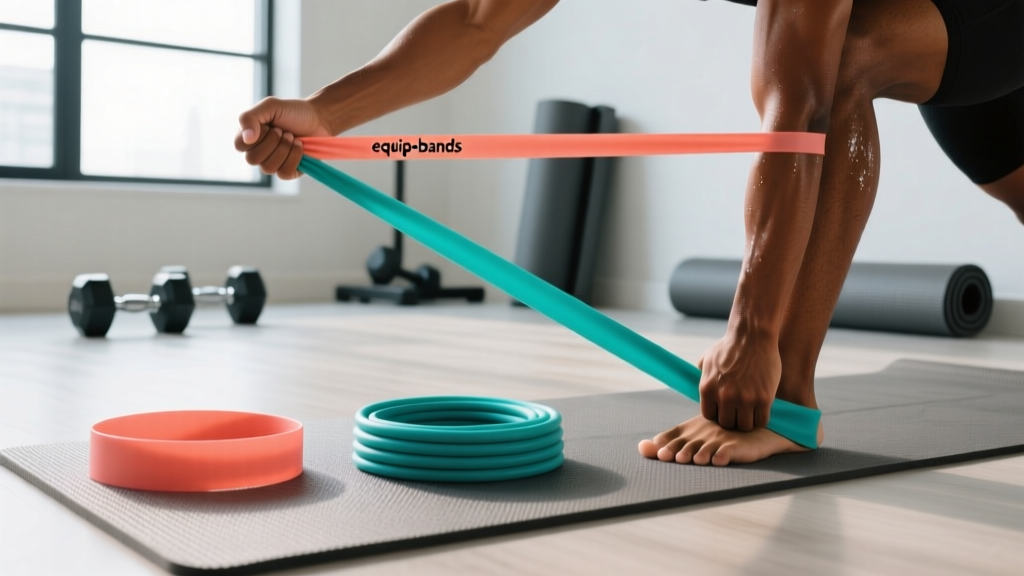
Resistance Band Sets Guide: Levels, Types & Manduka Yoga Mat Cleaner
Compare top resistance band sets by level and type. Plus, learn why the Manduka yoga mat cleaner is the secret to extending your bands and mats in 2026.

The Anatomy of a Resistance Band Set: Levels and Tensions
Building a versatile home gym in 2026 requires more than just picking up the first colorful rubber loop you see online. According to the National Center for Biotechnology Information (NCBI), elastic resistance training provides comparable neuromuscular adaptations to free weights when tension is properly matched to the user's strength curve. However, the fitness industry lacks a universal color-coding standard for resistance bands. A 'green' band from one brand might offer 15 pounds of resistance, while a 'green' band from another could offer 40 pounds.
When evaluating resistance band set levels, you must look at the exact poundage ratings and the elongation percentage. Most high-quality natural latex bands are rated at 100% to 150% elongation. Here is the standard tier breakdown you should look for when buying a comprehensive set:
- Light (5–15 lbs): Ideal for physical therapy, rotator cuff rehab, and high-repetition burnout sets. Usually 1/4-inch thick.
- Medium (15–35 lbs): The workhorse for bicep curls, tricep pushdowns, and lateral band walks. Typically 1/2-inch thick.
- Heavy (35–65 lbs): Used for compound movements like squats, deadlifts, and assisted pull-ups. Usually 3/4-inch to 1-inch thick.
- X-Heavy (65–120+ lbs): Reserved for powerlifting accommodations, heavy shrugs, and advanced mobility stretching. 1.5-inch to 4-inch thick.
Head-to-Head: Top Resistance Band Sets Compared
To help you navigate the market, we put three of the most popular resistance band sets through a rigorous head-to-head comparison, evaluating material integrity, warranty, and real-world pricing.
| Brand & Model | Material | Price Range (2026) | Best For | Durability Rating |
|---|---|---|---|---|
| Rogue Fitness Monster Bands | Natural Latex | $45 - $165 (per band) | Powerlifting, heavy compounds | 9.5/10 |
| TheraBand CLX Coned Loops | Latex-Free TPE | $25 - $40 (per set) | Rehab, seniors, latex allergies | 7.5/10 |
| WODFitters Pull-Up Assist Set | Natural Latex | $85 - $110 (full set) | Calisthenics, CrossFit | 8.5/10 |
Material Science: Latex vs. TPE vs. Fabric
Understanding the polymer science behind your bands will dictate how long they survive in your gym bag.
Natural Latex (Isoprene)
Natural latex offers the superior 'snap-back' (low hysteresis) and highest tensile strength. However, it is highly susceptible to UV degradation, ozone exposure, and the oils found in human sweat. If you buy natural latex, maintenance is non-negotiable.
Thermoplastic Elastomer (TPE)
TPE is the standard for hypoallergenic, latex-free bands (like TheraBand). While safe for sensitive skin, TPE suffers from higher hysteresis, meaning it loses more energy as heat during rapid stretching. Over time, TPE bands are prone to permanent deformation (stretching out) if left under tension or wrapped tightly around objects.
Fabric-Elastane Blends
Fabric mini-loops solve the 'rolling up' problem inherent to rubber mini-bands during glute bridges and monster walks. The trade-off is a restricted range of motion and a tendency to absorb sweat, making them a breeding ground for bacteria if not washed regularly.
Equipment Longevity: Band Care and the Manduka Yoga Mat Cleaner
Here is a reality check that most fitness brands won't tell you: the same sweat, urea, and body oils that degrade your premium yoga mat are actively destroying the polymer chains of your resistance bands. Lactic acid and salt crystallize on the rubber surface, creating micro-abrasions that lead to dry rot and sudden snapping.
Many athletes make the fatal mistake of wiping down their gear with generic gym wipes or alcohol-based sprays. Alcohol strips the natural moisture from latex and TPE, accelerating the oxidation process. This is where cross-training your maintenance routine becomes vital. Using a dedicated, pH-balanced solution like the Manduka yoga mat cleaner is one of the most effective, non-obvious secrets to extending the lifespan of both your natural rubber yoga mats and your latex resistance bands.
Head-to-Head: Cleaning Solutions for Gym Gear
- Generic Gym Wipes (Alcohol/Bleach based): Destroys latex isoprene chains. Causes chalky white residue and micro-tearing. Verdict: Never use on bands.
- DIY Vinegar & Water: Highly acidic. While it kills bacteria, the acidity dries out TPE and natural rubber over time, leading to brittleness. Verdict: Not recommended.
- Manduka Yoga Mat Cleaner: Formulated with plant-based surfactants and essential oils. According to the Manduka Official Mat Care Guide, their pH-balanced formula lifts body oils and sweat without stripping the material's natural moisture barrier. Because it is safe for natural rubber and TPE mats, it is equally safe and highly effective for wiping down latex and TPE resistance bands after a heavy session. Verdict: The gold standard for polymer gear care.
Step-by-Step Maintenance Routine for Your Home Gym
To ensure your gear lasts through years of progressive overload, implement this simple post-workout protocol:
- Immediate Wipe Down: After your workout, lightly mist your resistance bands and your yoga mat with the Manduka yoga mat cleaner.
- Microfiber Polish: Use a clean microfiber cloth to wipe away the dissolved sweat and oils. Do not scrub aggressively; let the plant-based surfactants do the work.
- Air Dry in Shade: Lay the bands flat in a cool, shaded area. Never hang them on a hook while wet, as the localized tension can cause warping.
- Proper Storage: Once completely dry, store the bands in a canvas or mesh bag. Avoid airtight plastic bins, which can trap residual moisture and promote mold growth on fabric-blend bands.
Frequently Asked Questions
Q: My latex bands have developed a chalky white powder. Are they ruined?
A: Not necessarily. That powder is a sign of oxidation and the leaching of manufacturing agents. Wash them gently with a mild, non-acidic soap or a diluted mat cleaner, dry them completely, and apply a microscopic layer of food-grade silicone oil to restore moisture. If you see actual micro-tears or nicks on the edges, however, discard them immediately to prevent snapping.
Q: Can I use fabric resistance bands for upper body workouts?
A: Fabric mini-loops are engineered for lower-body lateral movements. Using them for upper body work (like shoulder dislocates or pull-aparts) is dangerous because the fabric lacks the elastic elongation of rubber, putting severe strain on your rotator cuffs. The Mayo Clinic emphasizes matching the equipment's resistance curve to the joint's natural biomechanics—stick to latex or TPE tubes for upper body.
Q: How often should I replace my resistance band set?
A: With proper maintenance (including regular cleaning with safe solutions like the Manduka yoga mat cleaner and proper storage), a high-quality natural latex set should last 1 to 2 years of daily use. TPE bands generally need replacing every 6 to 12 months due to permanent stretching.
Final Verdict
Investing in a premium resistance band set is only half the battle. By understanding the exact tension levels, choosing the right polymer for your specific training style, and implementing a rigorous, chemically safe cleaning routine, you protect both your wallet and your physical safety. Ditch the harsh chemical wipes, embrace plant-based cleaners, and train with confidence knowing your gear is built to withstand the tension.
More gear to consider
All reviews
How to Choose the Right Green Yoga Mat: Thickness, Grip & Materials

Setup: Gaiam Classic Solid 5mm Yoga Mat & Foam Roller Selection

Exercise Ball Size Guide, Buying Tips & Yoga Mat Sticky Pairings

Expert Exercise Ball Size Guide & Best Way to Clean Yoga Mat Gear

Exercise Ball Size Guide for Your DIY Yoga Mat Space