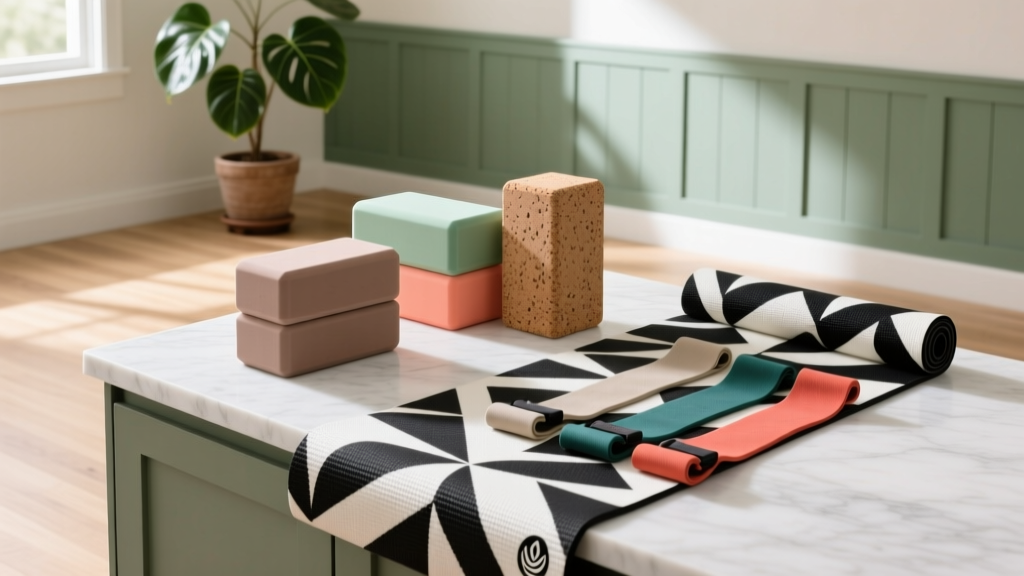
Yoga Block & Strap Buying Guide + How to Clean Manduka Yoga Mat
Discover the ultimate budget breakdown for yoga blocks and straps in 2026. Plus, learn exactly how to clean Manduka yoga mat gear and props to maximize value.

The True Cost of Yoga Props: Budget vs. Value in 2026
Building a home yoga studio or upgrading your travel gear requires a strategic approach to spending. While a premium mat often steals the spotlight, the humble yoga block and strap are the unsung heroes of alignment, injury prevention, and pose progression. However, the market is flooded with options ranging from $5 generic foam blocks to $35 artisan bamboo wedges. How do you determine where to spend and where to save? In this comprehensive budget breakdown and value analysis, we dissect the material science, durability metrics, and real-world failure modes of yoga blocks and straps. Furthermore, protecting your investment is just as critical as the initial purchase. That is why we have also included an expert maintenance section detailing how to clean Manduka yoga mat surfaces and extend the lifespan of your props.
Yoga Block Budget Breakdown: Foam, Cork, and Bamboo
Yoga blocks primarily come in three materials: EVA foam, cork, and bamboo/wood. The right choice depends on your practice style, budget, and sensitivity to texture. Below is a structural comparison of the 2026 market landscape.
| Material | Price Range | Durability & Density | Best For |
|---|---|---|---|
| EVA Foam (e.g., Gaiam, BalanceFrom) | $8 - $14 | Low-Medium. Prone to compression fatigue after 12-18 months. | Beginners, restorative yoga, travel. |
| Cork (e.g., Hugger Mugger, Manduka) | $18 - $26 | High. Look for >300 kg/m³ density to prevent edge crumbling. | Vinyasa, hot yoga, weight-bearing balances. |
| Bamboo/Wood (e.g., Hugger Mugger) | $28 - $38 | Lifetime. Indestructible but slippery when wet. | Iyengar practitioners, home studios. |
Deep Dive: The Hidden Costs of Cheap Foam
Budget EVA foam blocks are incredibly tempting at the $8 price point. However, from a value analysis perspective, they suffer from a high compression rate. If you frequently use blocks for weight-bearing poses like Half Moon (Ardha Chandrasana) or supported backbends, standard foam will permanently deform within 18 months. You will end up replacing a $10 block three times in five years. Conversely, a $22 Hugger Mugger Cork Block offers superior stability. Cork naturally grips sweaty hands, eliminating the need for a towel overlay during hot flows. Edge Case Warning: If you live in an extremely dry climate (humidity below 30%), cork can dry out and flake. Wiping it occasionally with a barely damp cloth preserves the natural resins.
Yoga Strap Value Analysis: D-Rings, Cinch Buckles, and Materials
A yoga strap is essentially a tensioning device. When you loop a strap around your foot in Supta Padangusthasana (Reclining Hand-to-Big-Toe Pose), the hardware bears the brunt of the mechanical load. The market is split between cotton straps with metal D-rings and nylon straps with plastic cinch buckles.
⚠️ Critical Failure Mode Alert: Plastic cam buckles found on sub-$10 nylon straps are notorious for warping. Under the tension of a tight hamstring stretch—which can easily exceed 35 pounds of pulling force—cheap plastic buckles slip or snap entirely. This sudden release can cause muscle strains or joint hyperextension.Material Showdown: Cotton vs. Nylon
- Cotton with Metal D-Rings (The Gold Standard): The Manduka Recycled Yoga Strap ($18 for 8ft) uses unbleached cotton and heavy-duty nickel-plated D-rings. Cotton provides a natural tactile grip that prevents the strap from slipping through your fingers during active pulls. The D-rings allow for infinite micro-adjustments and will never snap under human-generated tension.
- Nylon with Plastic Cinch (The Budget Trap): Generic nylon straps ($7-$12) feel slick, especially if your hands are dry. While nylon itself has a high tensile strength, the plastic hardware is the weak link. Furthermore, nylon edges can cause friction burns if the strap slips rapidly through your grip.
The Verdict: Spend the extra $8 for a cotton D-ring strap. According to Yoga Journal's comprehensive guide to props, a proper strap should act as a seamless extension of your arms, and the tactile feedback of cotton is essential for mindful engagement.
Protecting Your Investment: How to Clean Manduka Yoga Mat and Props
Purchasing high-quality gear is only half the battle; maintaining it ensures your cost-per-use drops to mere pennies over a decade. Many practitioners who invest in premium props also own high-end mats, leading to the common search query: how to clean manduka yoga mat surfaces without degrading the material. The cleaning protocols for high-density PVC mats directly inform how you should treat your cork and cotton accessories.
Step-by-Step: Cleaning the Manduka PRO Mat
The Manduka PRO series is made from dense, closed-cell PVC. Unlike open-cell natural rubber mats, it does not absorb sweat, but it requires specific care to maintain its lifetime guarantee.
- Ditch the Essential Oils: Never use cleaners containing essential oils, bleach, or harsh degreasers. Oils break down the PVC surface tension, leaving a permanent slippery film.
- The 50/50 Solution: Mix 50% distilled water and 50% white vinegar in a spray bottle. Alternatively, use Manduka's All-Purpose Mat Wash.
- Wipe and Dry: Spray the solution lightly onto a microfiber cloth (not directly on the mat to avoid pooling) and wipe the surface in circular motions. Allow it to air dry completely before rolling.
For deeper insights on preserving closed-cell mats, always refer to Manduka's official mat care instructions to ensure your warranty remains valid.
Maintaining Your Blocks and Straps
Prop Care Cheat Sheet:- Cork Blocks: Wipe with a damp cloth and a drop of mild dish soap. Never submerge cork in water, as it will swell and lose its structural integrity.
- Cotton Straps: Spot clean only. Do not machine wash your yoga strap. The agitation of a washing machine will fray the cotton edges and, more importantly, cause the metal D-rings to rust or bang against the drum, damaging both the strap and your appliance.
- EVA Foam: Wipe down with a mild disinfectant wipe after hot yoga sessions to prevent bacterial buildup in the micro-pores of the foam.
The 5-Year Prop Cost-Per-Use Matrix
To truly understand value, we must look beyond the initial price tag and calculate the cost-per-use over a standard 5-year lifecycle, assuming a practitioner attends or streams 3 classes per week (approx. 780 sessions).
| Gear Tier | Initial Cost (Block + Strap) | 5-Year Replacement Cost | Total 5-Year Spend | Cost Per Session |
|---|---|---|---|---|
| Budget (Foam + Nylon/Plastic) | $18 | $36 (Replacing foam x2, broken strap x1) | $54 | $0.069 |
| Premium (Cork + Cotton D-Ring) | $42 | $0 | $42 | $0.053 |
As the data illustrates, the premium tier is actually cheaper over a five-year horizon. You save $12, but more importantly, you save the frustration of a snapping strap mid-pose or a crumbling foam block disrupting your balance. The ROI on high-density cork and heavy-duty cotton is undeniable.
Expert Verdict: Where to Spend and Where to Save
When outfitting your yoga arsenal in 2026, adopt a hybrid budget strategy. Spend heavily on the strap. A $20 cotton D-ring strap is a lifetime purchase that guarantees safety and precise alignment. Spend moderately on blocks. Cork is the undisputed champion of value, offering the perfect intersection of grip, durability, and eco-friendly manufacturing at the $20 mark. You can safely save on secondary accessories like generic mat towels or basic carrying slings, but never compromise on the structural integrity of the props that support your joints. Finally, by mastering how to clean Manduka yoga mat gear and properly maintaining your cork and cotton props, you ensure that your studio remains a safe, hygienic, and financially sound sanctuary for years to come.
More gear to consider
All reviews
Pull Up Assist Band Sizing Mistakes & Manduka Yoga Mat Pro Setup

Stability Ball vs BOSU Ball: Core Routines for Your SPRI Yoga Mat

Yoga Mat Thickness Guide & Mini Gym Bag With Yoga Mat Holder Tips

Resistance Band Guide: Levels, Types & Alternatives to Yoga Mats

Stability Ball vs BOSU Ball: Yoga Mat Frog & Core Training
