
Manduka Yoga Mat Towels: Material, Thickness & Grip Guide 2026
Compare yoga mat thickness, materials, and grip. Discover how Manduka yoga mat towels enhance traction on PVC, rubber, and TPE mats in this 2026 guide.

Choosing the right foundation for your practice requires understanding the biomechanical interplay between your mat's surface and your accessories. In 2026, the market is saturated with options, but pairing the correct mat profile with Manduka yoga mat towels remains the gold standard for hot yoga, Ashtanga, and high-sweat Vinyasa flows. This in-depth buying guide breaks down the critical metrics of thickness, material composition, and grip mechanics to help you build the ultimate non-slip setup, ensuring your gear works in harmony with your biomechanics.
Expert Insight: A mat's grip is not a static property. Closed-cell PVC mats offer zero absorption, meaning sweat pools on the surface. Manduka yoga mat towels, specifically the Yogitoes line featuring patented Skidless silicone dots, bridge this gap by absorbing moisture while mechanically locking onto the mat's surface.The Material Matrix: PVC, Natural Rubber, and TPE
To understand why Manduka yoga mat towels are engineered the way they are, we must first analyze the three dominant mat materials on the market. The surface tension and porosity of your mat dictate how a towel will perform during downward-facing dog or warrior transitions.
Closed-Cell PVC (Polyvinyl Chloride)
The Manduka PRO series is the industry benchmark for closed-cell PVC. Because the surface is non-porous, it prevents sweat and bacteria from penetrating the core, granting it a lifetime warranty. However, the trade-off is dry traction. PVC is notoriously slippery when dry. When you introduce a Manduka Yogitoes towel, the silicone dots grip the smooth PVC surface exceptionally well once the towel is slightly damp, creating a high-friction vacuum effect.
Open-Cell Natural Rubber
Mats like the Manduka eKO or Jade Yoga mats utilize natural tree rubber. These offer incredible dry grip straight out of the box. However, open-cell rubber acts like a sponge, absorbing sweat, oils, and bacteria, which eventually breaks down the polymer chains. Using a microfiber towel over a rubber mat is a strategic move: it preserves the rubber from degrading while providing a plush, sweat-wicking top layer. According to Manduka's official gear guide, pairing towels with natural rubber mats extends the mat's lifespan by preventing direct contact with corrosive skin oils.
TPE (Thermoplastic Elastomer)
TPE is a lighter, eco-friendly alternative often found in budget-friendly mats. While it offers decent initial grip, it lacks the density to support the aggressive silicone dots of premium towels during high-friction lateral movements. Towels tend to bunch up on TPE mats during rapid Vinyasa transitions.
| Material Type | Dry Grip | Wet Grip (Without Towel) | Towel Compatibility | Avg. Price Range |
|---|---|---|---|---|
| Closed-Cell PVC | Poor | Very Poor (Slippery) | Excellent (Dots lock in) | $120 - $144 |
| Natural Rubber | Excellent | Fair (Degrades over time) | Very Good (Protects mat) | $85 - $100 |
| TPE Blend | Good | Poor | Fair (Prone to bunching) | $40 - $70 |
Thickness Breakdown: Joint Support vs. Grounding Stability
Thickness is arguably the most misunderstood variable in yoga gear. While the Mayo Clinic highlights the importance of joint protection during weight-bearing exercises, excessive thickness can ruin your proprioception (your body's ability to sense its location and movements). When you add a 4mm to 5mm plush Manduka yoga mat towel on top of your mat, you are effectively increasing the total thickness of your practice surface.
The 6mm Profile (Manduka PRO)
At 6mm thick and weighing 7.5 lbs, the PRO offers maximum cushioning. When paired with a standard Yogitoes towel, the total stack height approaches 10mm. This is ideal for practitioners with sensitive knees, wrist issues, or those practicing on hard concrete floors. However, in standing balance poses like Tree Pose or Half Moon, this combined thickness can create a 'wobble effect,' forcing the micro-stabilizer muscles in the ankles to work overtime.
The 4.7mm Profile (Manduka PROlite)
Weighing just 4 lbs, the PROlite is the versatile middle ground. The slightly reduced density provides a firmer connection to the floor, which is crucial for arm balances like Crow or Flying Pigeon. The towel sits flush against the 4.7mm surface, providing sweat absorption without compromising the structural feedback of the floor beneath you.
The 5mm Profile (Manduka eKO)
Natural rubber is denser than PVC. Therefore, a 5mm rubber mat feels firmer than a 6mm PVC mat. The eKO provides a grounded, earthy feel. When layered with a towel, the open-cell rubber grips the underside of the towel fabric, preventing the micro-shifts that occur on smoother PVC surfaces.
Warning: The Travel Mat TrapMany practitioners use ultra-thin 2mm or 3mm travel mats and attempt to compensate for the lack of padding by folding their Manduka yoga mat towels. Do not do this. Folding a towel creates uneven ridges that disrupt wrist alignment during Chaturanga, increasing the risk of tendonitis. Always lay the towel completely flat.
Grip Mechanics: Dry Traction vs. Sweat-Activated Hold
The genius of Manduka yoga mat towels lies in their sweat-activated grip technology. The Yogitoes line is woven with REPREVE recycled polyester yarn, which is hydrophilic (water-attracting). As you sweat, the yarn absorbs the moisture, increasing the surface area contact with your skin, thereby enhancing your grip on the towel. Simultaneously, the silicone dots on the underside react to the ambient humidity and pressure, locking into the mat.
Failure Modes: When Your Towel Slips
Even premium gear fails if used incorrectly. The most common complaint among beginners is towel slippage during the first 10 minutes of class. This is a biomechanical and material failure mode known as 'dry glide.' Because the silicone dots require slight moisture or intense downward pressure to engage fully with a closed-cell PVC mat, lateral movements (like stepping the foot forward from Downward Dog) will cause the towel to slide if you are completely dry.
Step-by-Step Troubleshooting for Grip Slippage
- The Pre-Mist Technique: Lightly spray the underside of the towel (the side with the silicone dots) with water before laying it on the mat. This instantly activates the friction.
- Hand Placement: In Downward Dog, ensure your fingers are spread wide and pressing into the towel, not just the heel of your hand. This distributes the shear force.
- Towel Sizing: Ensure your towel matches your mat. A 68-inch towel on a 71-inch Manduka PRO will leave 3 inches of exposed, slippery PVC at the top and bottom, causing the towel to migrate during use.
- Washing Residue: Never use fabric softener when washing your towel. Softeners coat the microfibers in a waxy residue, destroying the hydrophilic properties and guaranteeing a slip hazard.
Frequently Asked Questions
Can I use Manduka yoga mat towels on non-Manduka mats?
Yes. The Skidless silicone dots are designed to grip any relatively smooth surface, including Jade, Lululemon, and Gaiam mats. However, they perform best on closed-cell surfaces where the dots can create a suction-like seal. On highly textured or deeply grooved mats, the dots may not make full contact, reducing grip efficacy.
How often should I wash my yoga mat towel?
Because the towel acts as a barrier, absorbing the sweat and oils that would otherwise degrade your mat, it should be washed after every single use, especially after hot yoga. According to Yoga Journal hygiene best practices, washing in cold water with a mild, fragrance-free detergent and air-drying preserves the integrity of the silicone dots and the elasticity of the microfiber.
Is a towel necessary for restorative or Yin yoga?
For low-sweat practices like Yin or Restorative yoga, a full-coverage microfiber towel is usually unnecessary and may actually reduce the natural grip you need to hold long, passive stretches. For these disciplines, a simple cotton hand towel or a folded blanket placed under specific joints (like the knees or sacrum) is a more biomechanically sound choice than a full mat towel.
Final Verdict: Matching Your Towel to Your Practice
Investing in high-quality Manduka yoga mat towels is not just about keeping your mat clean; it is about engineering a predictable, high-friction surface that adapts to your body's thermoregulation. If you practice high-intensity Vinyasa or Hot Yoga on a 6mm PVC Manduka PRO, the Yogitoes towel is a non-negotiable accessory that transforms a slippery surface into a stable launchpad. Conversely, if you practice on a 5mm natural rubber mat, the towel serves as a vital protective shield, preserving your investment while offering a plush, sweat-wicking interface. By understanding the material science and thickness dynamics outlined in this guide, you can confidently build a yoga setup that supports your joints, enhances your grip, and elevates your practice in 2026 and beyond.
More gear to consider
All reviews
Yoga Block & Strap Guide: Match the Best Thickness for Yoga Mat

Medicine Ball Weight Selection: Don't Ruin Your Yoga Mat (Brown)
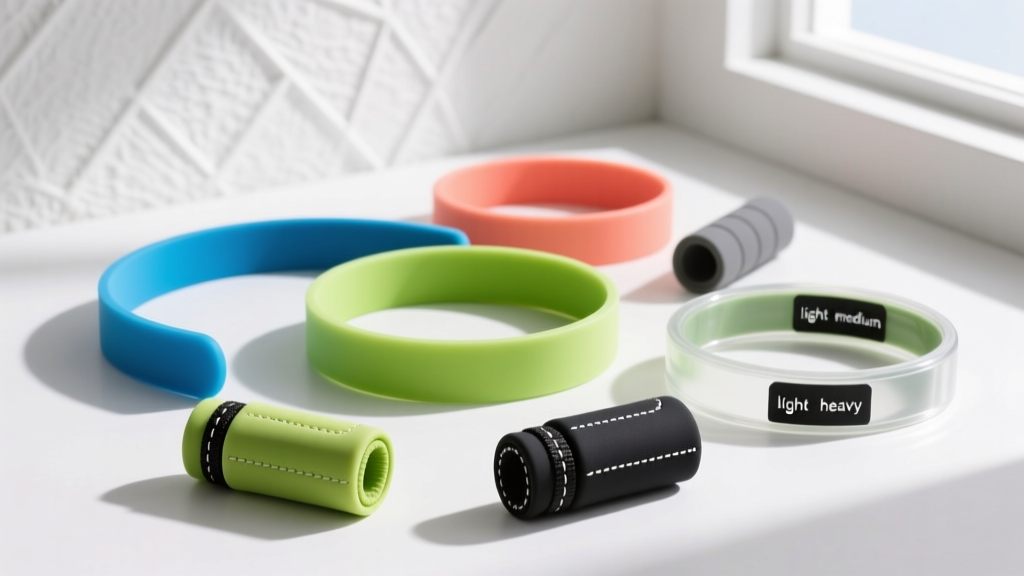
Loop Band vs Tube Band: Budgeting Beyond a Regular Yoga Mat Size
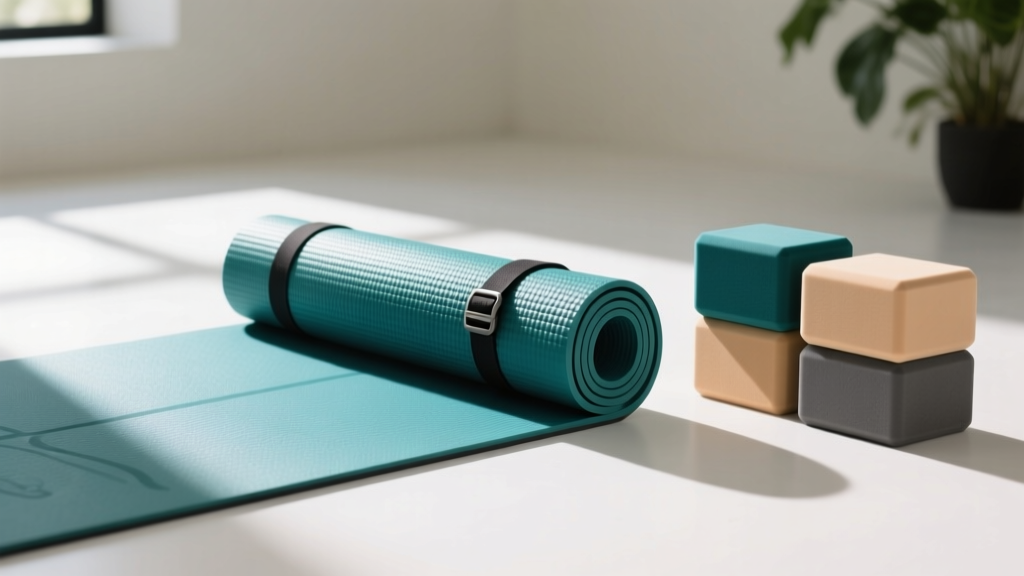
Nautilus Yoga Mat With Strap vs Custom Block Kits: 2026 Value Guide

Pilates Accessories: How to Make Yoga Mat Less Slippery
