
Speed, Weighted & Beaded Jump Ropes + Yoga Mat Disinfectant Spray
Compare speed, weighted, and beaded jump ropes for 2026. Plus, discover the best yoga mat disinfectant spray to keep your home gym floor pristine.

The Great Jump Rope Debate: Speed vs. Weighted vs. Beaded
When building a comprehensive home gym cardio setup in 2026, the jump rope remains an unmatched tool for developing coordination, bone density, and fast-twitch muscle fibers. However, not all ropes are created equal. The market is currently dominated by three distinct categories: speed ropes, weighted ropes, and beaded ropes. Choosing the wrong type for your specific training modality can lead to frustrating tangles, stalled progress, and even joint irritation. Below, we break down the biomechanics and material science of each jump rope type to help you make an informed purchase.
Speed Ropes: The Double-Under Specialist
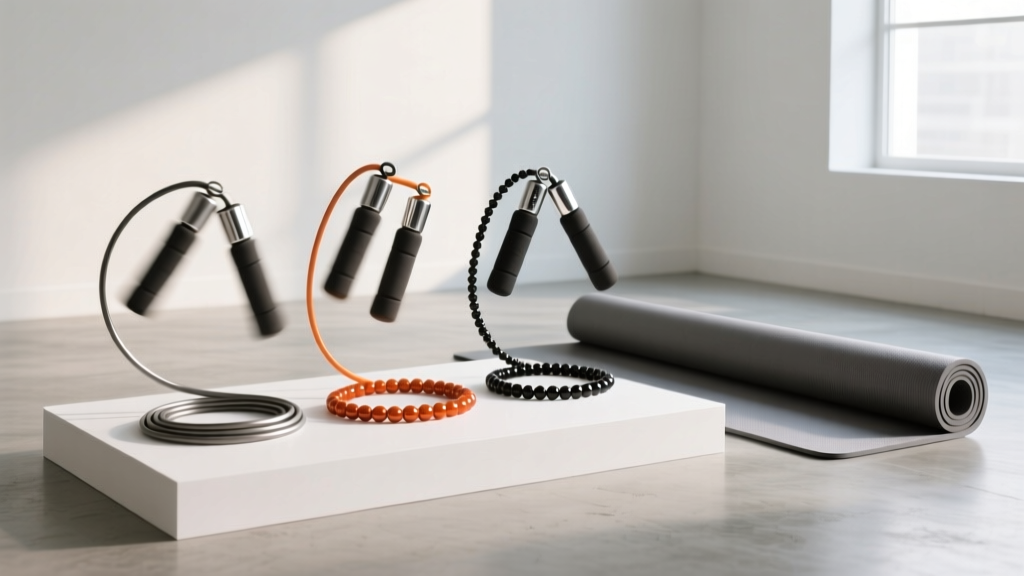
Speed ropes are engineered for one primary metric: rotational velocity. They feature ultra-thin cables—typically 1.5mm to 2.5mm bare aircraft-grade steel or thin PVC-coated wire—connected to lightweight aluminum handles via dual-axis ball-bearing swivels. This mechanical setup minimizes friction, allowing advanced athletes to achieve rotational speeds exceeding 120 RPM (revolutions per minute).
The Edge Case: While speed ropes are mandatory for CrossFit athletes attempting unbroken double-unders or triple-unders, bare steel cables will shred within weeks if used on concrete or asphalt. Furthermore, the lack of tactile feedback means beginners often struggle to time their jumps, resulting in painful whip marks on the shins and feet. Speed ropes are strictly for indoor use on rubber mats or wooden floors, and they demand a refined, wrist-only flicking technique.
Weighted Ropes: Muscle Endurance & Kinesthetic Feedback
Weighted jump ropes shift the focus from pure cardiovascular speed to upper-body muscular endurance and shoulder stabilization. By utilizing thicker, denser cables (often polyurethane-coated steel or solid braided nylon) ranging from 1/4 lb to over 2 lbs, these ropes provide immense kinesthetic feedback. You can literally feel the rope's arc through the air, which drastically reduces the learning curve for beginners.
According to fitness biomechanics data, swinging a 1 lb weighted rope engages the latissimus dorsi, deltoids, and forearm flexors far more intensely than a standard speed rope. Systems like the CrossRope interchangeable system have popularized this category by allowing users to clip different cable weights into the same set of ergonomic, ball-bearing handles. The heavy cables also resist wind drag, making them a viable option for outdoor cardio sessions where a lightweight speed rope would get blown off course.
Beaded Ropes: The Beginner & Trick Master
Beaded ropes consist of a thin nylon core threaded with 1.5-inch high-density TPU (thermoplastic polyurethane) beads. This design offers two massive advantages: it completely eliminates tangling, and it provides an auditory "click" every time the rope strikes the ground. This rhythmic clicking acts as a metronome, helping beginners time their jumps perfectly without needing to look down.
For advanced freestyle athletes, beaded ropes are the gold standard. The segmented weight distribution allows for complex manipulations, crosses, and wraps that would tangle a solid cable. Additionally, when the TPU beads eventually wear down from striking rough outdoor surfaces, you can simply slide on replacement beads for a few dollars, rather than replacing an entire $40 steel cable.
Head-to-Head Comparison Matrix
| Feature | Speed Rope | Weighted Rope (1/2 lb+) | Beaded Rope |
|---|---|---|---|
| Best For | Double-unders, high-RPM cardio | Upper body endurance, beginners | Freestyle tricks, outdoor use |
| Cable Material | 2.0mm Bare Steel / Thin PVC | Polyurethane / Braided Nylon | Nylon core w/ TPU Beads |
| Avg. Price Range | $12 - $35 | $45 - $130 | $15 - $25 |
| Concrete Durability | Poor (shreds quickly) | Moderate (coating protects core) | High (beads take the abrasion) |
| Feedback Level | Low (requires advanced timing) | High (heavy drag felt in hands) | High (auditory and visual) |
Protecting Your Landing Zone: The Yoga Mat Disinfectant Spray Imperative
If you are jumping rope indoors, you are likely doing so on a high-density yoga mat or interlocking foam tiles to absorb the repetitive impact and protect your tibialis anterior and knee joints. However, a 30-minute high-intensity jump rope session deposits a massive amount of sweat, dead skin cells, and bacteria directly onto your mat's surface. This is where a specialized yoga mat disinfectant spray becomes a non-negotiable piece of gym maintenance.
⚠️ WARNING: Stop Using Standard Household CleanersNever use bleach, high-concentration isopropyl alcohol, or standard Lysol wipes on open-cell PVC, TPE, or natural rubber yoga mats. These harsh chemicals desiccate the polymers, causing micro-fissures, loss of grip, and permanent structural degradation. Furthermore, essential oils (like tea tree or eucalyptus) can break down natural rubber over time.
The Chemistry of Mat-Safe Disinfection
To effectively neutralize gym-acquired pathogens like Staphylococcus aureus and Trichophyton mentagrophytes (the fungus responsible for athlete's foot) without destroying your gear, you must understand the difference between cleaning and disinfecting. According to the EPA's guidelines on registered disinfectants, a true disinfectant must remain wet on the surface for a specific "dwell time" (usually 3 to 5 minutes) to rupture the cell walls of bacteria.
For closed-cell rubber mats, sprays utilizing quaternary ammonium compounds (quats) at mat-safe dilutions are highly effective. For open-cell and natural rubber mats, you must rely on specialized plant-based surfactants combined with mild, non-alcoholic antimicrobial agents.
Top 3 Yoga Mat Disinfectant Sprays for 2026
- Manduka All-Natural Yoga Mat Cleaner: Formulated specifically for open-cell and PER/TPE mats. It uses plant-based surfactants to lift sweat and grime without leaving a slippery residue that could cause you to slip during footwork drills. Price: ~$14 per 12oz bottle.
- MatGuard Surface Wipes & Spray: A commercial-grade, quat-based formula widely used in boutique fitness studios. It is highly effective against MRSA and Staph, and is safe for closed-cell rubber and vinyl surfaces. Note: Test on a small patch before using on raw natural rubber.
- DIY White Vinegar Solution (The Budget Alternative): If you are on a strict budget, a solution of 1 part distilled white vinegar to 3 parts distilled water provides mild antimicrobial properties. While it won't pass EPA hospital-grade disinfection standards, it safely cuts through sweat salts and odors without degrading TPE mats. For detailed material care, always refer to your manufacturer's guide, such as the Manduka official mat care instructions.
Maintenance Protocol: Ropes and Mats
To maximize the lifespan of your cardio gear and maintain a hygienic training environment, implement this post-workout protocol:
- Step 1: Wipe down your jump rope handles with a damp microfiber cloth to remove acidic sweat that can corrode aluminum or degrade foam grips.
- Step 2: Inspect your speed rope cable for kinks. If a kink forms, hang the rope by the handles and let gravity straighten the steel core overnight.
- Step 3: Generously mist your yoga mat with your chosen yoga mat disinfectant spray. Ensure the surface is visibly damp.
- Step 4: Allow the spray to sit for the manufacturer-recommended dwell time (minimum 3 minutes) before wiping it dry with a clean towel and rolling the mat up.
Frequently Asked Questions (FAQ)
Can I use a weighted jump rope on my yoga mat?
It is highly discouraged. The concentrated impact of a heavy polyurethane or steel-core weighted rope striking the ground at high velocity will dent, slice, and permanently damage the foam structure of most standard 5mm yoga mats. If you must use a weighted rope indoors, do so on a dedicated heavy-duty rubber horse stall mat or bare concrete.
How often should I replace my beaded jump rope beads?
If you are jumping exclusively on asphalt or concrete, expect to replace the bottom 15-20 beads every 3 to 4 months of consistent daily use. The TPU beads will flatten out and lose their circular shape, which alters the rope's bounce and rotational consistency.
Is a yoga mat disinfectant spray enough to kill ringworm?
Most plant-based yoga mat sprays are designed for cleaning and odor removal, not hospital-grade disinfection. If you suspect your gym mat has been exposed to ringworm or staph, you must use an EPA-registered fungicidal and bactericidal disinfectant (like a properly diluted MatGuard spray) and strictly adhere to the 5-minute wet dwell time to ensure the pathogens are eradicated.
More gear to consider
All reviews
Medicine Ball Weight Guide & Setup: Yoga Mat Clas Ohlson Test

Pull-Up Assist Band Sizing & Washing Your Manduka Yoga Mat
Speed, Weighted, Beaded Jump Ropes & Standard Yoga Mat Dimensions

Yoga Block & Strap Guide: Space Layouts & Yoga Mat Holder Wall Mount
BOSU vs Stability Ball: Is It Worth More Than a Duck Yoga Mat?
