Pilates Care: How to Clean a Yoga Mat Gaiam & Maintain Accessories
Master Pilates equipment care. Learn how to clean a yoga mat Gaiam users trust, plus maintenance tips for magic circles, resistance bands, and grip socks.

The Foundation of Mat Pilates: Deep Cleaning Your Gear
Pilates is a discipline rooted in precision, control, and longevity. Just as you maintain your body through consistent practice, your Pilates equipment accessories require meticulous maintenance to ensure they perform safely and effectively. Whether you are practicing Mat Pilates on a thick cushion or utilizing tension rings for inner-thigh work, sweat, skin oils, and environmental dust will inevitably degrade your gear over time. In 2026, with home studios becoming more advanced and studio hygiene standards at an all-time high, proper equipment care is non-negotiable.
This comprehensive guide covers the exact maintenance protocols for essential Pilates accessories, from grip socks to resistance rings, and provides a deep dive into mat care. Specifically, understanding how to clean a yoga mat Gaiam produces requires recognizing that their lineup spans multiple material categories, each demanding a unique chemical approach to prevent premature degradation.
Mat Pilates Essentials: The Gaiam Cleaning Matrix
Gaiam remains one of the most accessible and popular brands for Mat Pilates practitioners. However, treating a PVC mat the same way you treat a TPE (Thermoplastic Elastomer) mat is the fastest way to ruin your equipment. When figuring out how to clean a yoga mat Gaiam owners recommend avoiding harsh chemical solvents, but the exact routine depends on your specific model.
1. Gaiam Essentials Yoga Mat (PVC Construction)
Retailing around $21.99, the Gaiam Essentials mat is made of closed-cell PVC. PVC is highly durable and resistant to moisture, but it is prone to trapping odors and surface bacteria because sweat cannot penetrate the core. According to Yoga Journal's definitive guide on mat care, closed-cell mats require frequent surface disinfection.
- Daily Wipe Down: Mix 3 parts distilled water with 1 part witch hazel in a spray bottle. Avoid essential oils like tea tree or lavender for daily use, as the cumulative oil buildup will make the PVC surface dangerously slippery during Pilates roll-ups.
- Monthly Deep Clean: Use a microfiber cloth dampened with a mild, non-bleach dish soap (like Dawn) and warm water. Wipe in circular motions, then rinse the cloth with plain water and wipe away the soap residue. Hang to dry over a shower rod; never fold or roll while damp, as this breeds mildew inside the roll.
2. Gaiam Performance Dry-Grip & Eco-Friendly Mats (TPE & Natural Rubber)
Priced between $29.99 and $45.00, these mats offer superior grip for Pilates but are highly sensitive to acidic and oil-based cleaners. TPE and natural rubber will literally break down, becoming sticky and shedding micro-particles if exposed to undiluted white vinegar or heavy essential oils.
Expert Warning: Never use Lysol wipes, Clorox disinfecting wipes, or alcohol-based sprays on TPE or natural rubber Gaiam mats. The alcohol strips the natural lipids from the rubber, causing the mat to dry rot, crack, and lose its structural integrity within 3 to 4 months.Caring for Tension & Resistance Accessories
Mat Pilates heavily incorporates small props to add resistance and challenge stability. These accessories experience high mechanical stress and require specific care to prevent catastrophic failure during a workout.
The Pilates Magic Circle (Resistance Ring)
The Gaiam Pilates Ring (approximately $16.99) features a flexible fiberglass or steel core encased in foam, with dual ergonomic foam pads. The primary failure mode for magic circles is the degradation of the foam pads due to sweat acidity and friction.
- Post-Workout Wipe: Wipe the foam pads with a barely damp cloth using a pH-neutral cleaner. Baby shampoo diluted in water works exceptionally well to break down skin oils without drying out the foam.
- Core Inspection: Every three months, inspect the inner curve of the ring for micro-cracks in the casing. If you see the fiberglass core fraying or the metal showing signs of oxidation, retire the ring immediately to prevent snapping under tension.
Resistance Bands and Loops
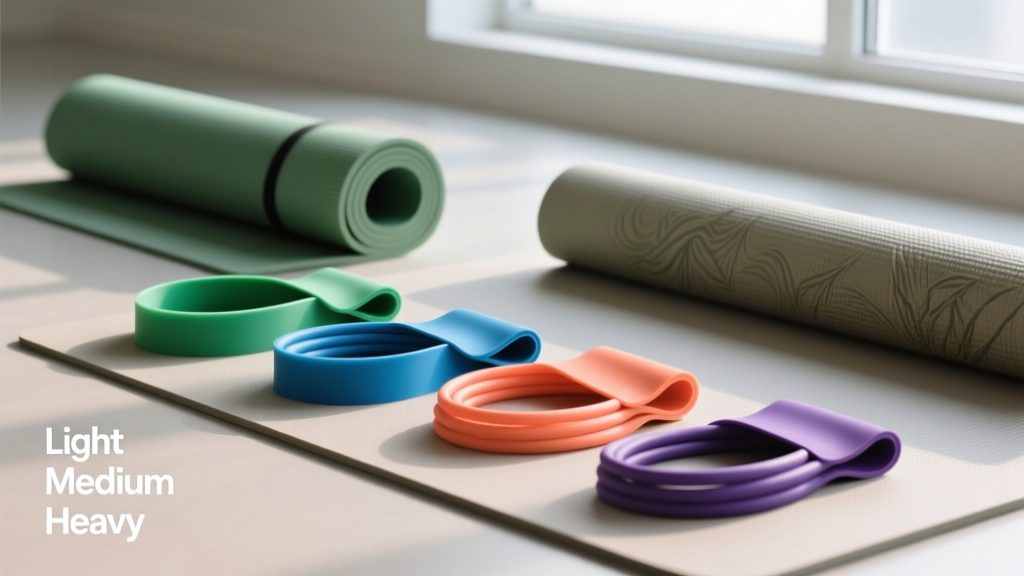
Latex and non-latex resistance bands (such as TheraBand sets, typically $14 to $22) are vital for Pilates arm and leg series. Latex bands suffer from a phenomenon called 'polymer chain scission' when exposed to UV light, body oils, and heat.
'To extend the life of natural latex Pilates bands by up to 40%, lightly dust them with 100% pure cornstarch or unscented talcum powder after cleaning and drying. This prevents the latex from adhering to itself and tearing when unrolled.' - Fitness Equipment Maintenance Standards, 2025
Material Compatibility & Degradation Matrix
Not all cleaners are created equal. Refer to this matrix to ensure you are not accidentally destroying your Pilates accessories.
| Accessory Material | Safe Cleaners | Avoid At All Costs | Primary Failure Mode |
|---|---|---|---|
| PVC (Gaiam Essentials) | Witch hazel, mild dish soap, diluted vinegar | Abrasive scrub brushes | Surface scratching, odor trapping |
| TPE / Eco-Foam | Distilled water, pH-neutral baby shampoo | Essential oils, alcohol, bleach | Sticky degradation, dry rot |
| Natural Latex Bands | Damp cloth, cornstarch powder | Direct sunlight, petroleum oils | UV dry rot, snapping |
| Silicone Grip Socks | Cold water, gentle detergent | Fabric softener, high-heat tumble dry | Silicone grip melting/peeling |
Reformer Accessories & Grip Socks Maintenance
For those utilizing reformers or practicing barre-fusion Pilates, grip socks (like Toesox or Sticky Be, retailing around $24 to $28 a pair) are essential accessories. The silicone decals on the soles provide necessary friction on wooden carriages and mats.
According to the CDC guidelines on hygiene and cleaning, shared fitness textiles require thorough sanitization to prevent fungal transmission. However, heat is the enemy of silicone grips.
- Washing Protocol: Turn grip socks inside out before washing. This protects the silicone nodes from the abrasive friction of the washing machine drum.
- Detergent Choice: Use a mild, liquid detergent. Never use fabric softener. Fabric softeners leave a microscopic waxy coating on the fabric and silicone, completely neutralizing the non-slip properties of the sock.
- Drying: Air dry only. The high heat of a tumble dryer will melt the edges of the silicone grips, causing them to peel off after just 3 to 5 wash cycles.
Environmental Storage: Preventing Invisible Damage
How you store your Pilates accessories between sessions dictates their lifespan just as much as how you clean them.
The 'Top-Side Out' Rolling Rule
When rolling your Gaiam yoga mat or any thick Pilates mat, always roll it with the top side facing outward. The top side is the side you practice on. If you roll it top-side in, the edges will curl upward when you unroll it, creating a tripping hazard and forcing the corners to lift off the floor during exercises like the 'Hundred' or 'Teaser'. Over time, rolling it incorrectly will permanently warp the foam memory.
UV and Climate Control
Store all TPE mats, natural rubber mats, and latex bands in a cool, dark closet. UV rays from a nearby window will break down the polymer chains in rubber and TPE within weeks, causing the surface to flake onto your clothes and skin. Maintain a storage environment with a humidity level between 40% and 60% to prevent mold growth on foam accessories and metal oxidation on reformer springs or ring cores.
Frequently Asked Questions (FAQ)
Can I put my Gaiam yoga mat in the washing machine?
No. While some ultra-thin cotton or microfiber travel mats can be machine washed, standard Gaiam PVC and TPE mats will absorb water and become impossibly heavy, potentially damaging your washing machine. The agitation will also tear the closed-cell structure. Always hand-wipe and hang-dry.
How often should I replace my Pilates resistance bands?
With regular use (3-4 times a week) and proper cleaning, latex resistance bands should be replaced every 6 to 8 months. If you notice any white stress marks, discoloration, or a sticky texture, replace them immediately to avoid snap-back injuries.
Is it safe to use a vinegar and water solution on all Pilates gear?
Vinegar is highly acidic. While a heavily diluted solution (1 part vinegar to 4 parts water) is safe for PVC mats and metal reformer parts, it will degrade natural rubber mats, dry out foam magic circle pads, and corrode the stitching on grip socks over time. Stick to pH-neutral cleaners for mixed-material studios.
More gear to consider
All reviews
Exercise Ball Size Guide & Budget: Pendleton Stylish Yoga Mat Value
Foam Roller Density Selection & Can You Wash Yoga Mats in the Washer?

2026 Yoga Mat Storage Rack & Foam Roller Density Guide
Jump Rope Setup: Speed, Beaded Ropes & Lole Yoga Mat Costco Hacks

CorePower Yoga Mat Rental vs Exercise Ball: Budget & Size Guide