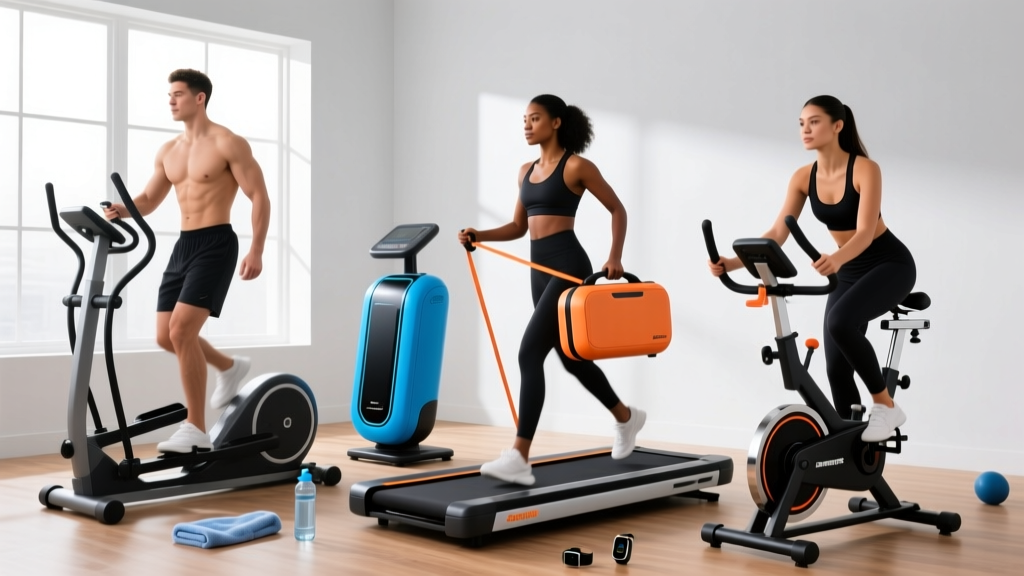
Zero G Treadmill Alternatives: Best Compact Portable Cardio
Explore space-saving zero g treadmill alternatives. We review compact portable cardio equipment options for joint-friendly, low-impact home layouts.

The Zero G Treadmill Dilemma: Why True Microgravity Doesn't Fit in Apartments
The concept of a zero g treadmill is the holy grail of low-impact cardiovascular training. Utilizing differential air pressure technology, true microgravity treadmills—like the AlterG Pro series or the Boost Microgravity Treadmill—enclose the user's lower body in an airtight chamber. By calibrating the air pressure, these machines can reduce ground reaction forces (GRF) by up to 80%, effectively allowing you to run at a fraction of your body weight. For elite athletes recovering from injury or clinical rehabilitation centers, this technology is revolutionary.
However, from a space optimization and interior layout perspective, a literal zero g treadmill is a logistical nightmare for the home user. These machines typically require a footprint of at least 84 inches in length and 40 inches in width, weigh upwards of 800 pounds, and require specialized 220V electrical circuits. Furthermore, the enclosure demands ceiling heights of 8 to 9 feet to accommodate the user's full vertical range of motion. If you live in a standard apartment or a multi-use home gym, a true zero g treadmill is simply not an option.
The Footprint Reality Check
True Zero G Treadmill (e.g., Boost Microgravity): 84" L x 40" W x 62" H (plus user clearance) | Weight: 850+ lbs | Cost: $35,000 - $75,000+
Average Spare Bedroom / Home Gym: 120" x 120" | Needs to accommodate a bed, dresser, and walking paths.
The Solution: We must engineer a "micro-gym" using compact portable cardio equipment options that mimic the joint-sparing biomechanics of a zero-g environment without monopolizing your square footage.
Biomechanical Matchmaking: Replicating Low-Impact Cardio in Tight Spaces
To replicate the benefits of a zero g treadmill, we must focus on equipment that minimizes the vertical impact vector on the knee and hip joints while maintaining an elevated heart rate. According to the American Heart Association, adults need at least 150 minutes of moderate-intensity aerobic activity per week, but this does not require high-impact pavement pounding. By selecting compact, portable machines that utilize gliding, suspended, or restricted-speed mechanics, we can achieve a "microgravity feel" in a fraction of the space.
1. The Advanced Folding Walking Pad (Speed-Restricted Treadmills)
While a standard treadmill encourages heavy heel-striking and high-impact sprinting, advanced walking pads restrict top speeds to a brisk walk or light jog (typically 4.0 to 7.5 mph). This speed limitation naturally alters the user's biomechanics, promoting a mid-foot strike and significantly reducing the peak ground reaction forces transmitted through the joints.
Top Pick for 2026: The KingSmith WalkingPad X21. This model features a 180-degree dual-fold mechanism. When deployed, it offers a 47 x 17-inch running surface. When folded, it shrinks to an astonishing 38.2 x 21.1 x 8.5 inches, allowing it to slide under a standard sofa or stand vertically in a closet corner. The 1.25 CHP motor is sufficient for sustained walking, and the absence of a bulky front console mast eliminates the "visual clutter" that makes traditional treadmills feel oppressive in small rooms.
2. Suspended Air Walk Gliders
If your primary goal is to completely eliminate joint impact—mimicking the 80% weight reduction of a zero g treadmill—a suspended air walk glider is your most space-efficient alternative. Unlike traditional ellipticals that require a heavy flywheel and a long horizontal stride path, air walkers use a suspended pedal mechanism that allows for a fluid, multi-directional stride.
Top Pick: The Sunny Health & Fitness SF-E902 Air Walk Trainer. The pedals literally float beneath you, providing a zero-impact cardiovascular workout that engages the core, arms, and legs simultaneously. Its spatial advantage is its narrow profile: just 25 x 19 inches at the base. When not in use, the arms and pedals fold inward, reducing its depth to under 10 inches for flush wall storage.
3. Under-Desk Seated Ellipticals
For users with severe joint limitations or those who need to integrate cardio into a sedentary work-from-home layout, seated ellipticals offer a true non-weight-bearing experience. Because you are seated, the spinal compression and knee loading associated with standing cardio are entirely removed.
Top Pick: The Cubii JR2 Under-Desk Elliptical. Measuring just 23 x 17 x 10 inches and weighing 27 pounds, it can be deployed in a home office and stored on a bookshelf. The Mayo Clinic notes that elliptical motions are highly effective for cardiovascular health while sparing the joints from the repetitive trauma of walking or running. The JR2's magnetic resistance is whisper-quiet, making it ideal for shared living spaces.
Space-to-Impact Ratio: Compact Cardio Comparison Matrix
When designing a space-optimized home gym, you must weigh the physical footprint of the machine against the level of joint impact it provides. Use the matrix below to determine which compact portable cardio equipment option aligns with your spatial constraints and biomechanical needs.
| Equipment Type | Model Example | Active Footprint (L x W) | Storage Footprint | Joint Impact Level | Est. Price (2026) |
|---|---|---|---|---|---|
| Folding Walking Pad | KingSmith X21 | 55" x 21" | 38" x 21" x 8.5" | Low-Moderate | $599 |
| Air Walk Glider | Sunny SF-E902 | 25" x 19" | 25" x 10" x 57" | Ultra-Low (Suspended) | $115 |
| Seated Elliptical | Cubii JR2 | 23" x 17" | 23" x 17" x 10" | Zero (Non-Weight Bearing) | $299 |
| True Zero G Treadmill | Boost Microgravity | 84" x 40" | Non-Foldable | Zero (Air Pressure) | $35,000+ |
Layout Design: Integrating Portable Cardio into a Multi-Use Room
Buying compact equipment is only half the battle; integrating it seamlessly into your home's layout requires strategic spatial planning. When designing a micro-gym in a bedroom, living room, or home office, adhere to the following architectural and ergonomic rules.
The 18-Inch Swing Clearance Rule
Even the most compact portable cardio machines require operational clearance. For air walkers and seated ellipticals, you must maintain a minimum 18-inch clearance zone at the front and rear of the machine to account for pedal extension and user leverage. Failing to account for this swing radius results in machines being shoved into corners where they are uncomfortable to use, ultimately leading to abandonment.
Visual Weight and Traffic Flow
In interior design, "visual weight" refers to how heavy an object feels in a room. A traditional treadmill with a towering digital console and thick handrails creates a visual barricade, disrupting the natural traffic flow of a multi-use room. Folding walking pads and under-desk ellipticals possess incredibly low visual weight. To maintain an open-concept feel, store these machines in the "negative space" of your room—slid beneath a floating media console, tucked behind a room divider screen, or stored vertically in a shallow coat closet.
Acoustic Optimization for Multi-Family Dwellings
If you reside in an apartment or a multi-story home, impact noise is a critical layout consideration. While a zero g treadmill eliminates joint impact, the motor and belt still generate acoustic vibrations that travel through floor joists. To mitigate this in a compact layout:
- Avoid standard EVA foam puzzle mats: They compress too easily under the concentrated weight of a walking pad motor, offering minimal acoustic dampening.
- Use high-density PVC or vulcanized rubber mats: A 36" x 60" mat with a minimum thickness of 3/8-inch (and a Shore A hardness rating of 60 or higher) will absorb the low-frequency hum of a 1.25 CHP motor before it transfers to the subfloor.
- Decouple the machine: Place specialized anti-vibration washing machine pads under the four corners of your walking pad or glider to isolate the mechanical vibration from the floor structure.
"The biggest mistake consumers make with compact home gym design is prioritizing the machine's folded dimensions over its deployed operational footprint. A machine that takes three minutes and heavy lifting to unfold will simply never be used. True space optimization means finding equipment that can transition from 'stored' to 'active' in under 15 seconds without disrupting the room's primary function."
Final Verdict: Designing Your Joint-Friendly Micro-Gym
While the allure of a literal zero g treadmill is undeniable for elite biomechanical recovery, the spatial and financial realities of home fitness demand a more pragmatic approach. By pivoting to compact portable cardio equipment options like the KingSmith WalkingPad X21 for speed-restricted walking, the Sunny SF-E902 for suspended gliding, or the Cubii JR2 for seated, non-weight-bearing movement, you can successfully replicate the joint-sparing benefits of microgravity technology.
Space optimization is not just about buying smaller things; it is about intelligent layout design, managing acoustic transfer, and respecting the operational clearances required for safe, effective movement. By selecting the right low-impact machine and integrating it thoughtfully into your home's existing architecture, you can build a highly effective, joint-friendly cardiovascular sanctuary—no 800-pound air chamber required.
More gear to consider
All reviews
Stair Climber vs. Treadmill Stress Test: Home Guide

Air vs Assault Bike: NordicTrack Treadmill Stuck on Retry Screen?

What NordicTrack X24 Treadmill Reviews Miss: Belt Maintenance
XT185 Treadmill Installation & Motor Horsepower Guide

High Intensity Cardio Treadmill vs Upright, Recumbent & Spin Bikes
