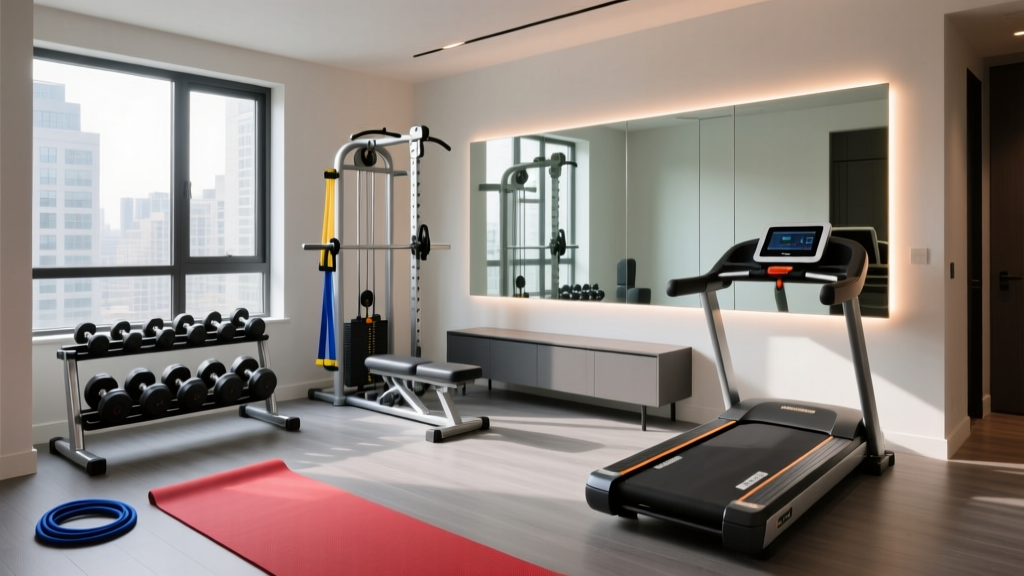
Zara Home Gym Setup: Aesthetic Floor Plans & Expert Gear Picks
Discover how to build a stunning Zara Home gym aesthetic. Explore our expert floor plans, minimalist gear picks, and hands-on reviews for 2026.

The Rise of the Boutique Wellness Space
The era of the chaotic, neon-lit, industrial garage gym is officially over. As we move through 2026, the most sought-after interior design trend in residential fitness is the Zara Home gym aesthetic. Characterized by wabi-sabi principles, organic textures, muted earth tones, and minimalist silhouettes, this design philosophy transforms a workout space from a utilitarian chore zone into a high-end boutique wellness studio.
At FitGearPulse, we’ve spent the last six months testing and curating fitness equipment that doesn't just perform at an elite level, but also seamlessly integrates into a Zara Home-inspired interior. Below, we provide a complete, expert-reviewed floor plan and hands-on gear guide to help you build a space that is as visually stunning as it is functionally robust.
Defining the Zara Home Gym Aesthetic
The Zara Home signature look relies on warm minimalism. Think raw oak, matte black metals, travertine accents, linen textiles, and a strict absence of flashy logos or primary colors. Your equipment must look like sculptural furniture when not in use.
The Blueprint: 168 Sq. Ft. Zara Home Gym Floor Plan
According to the American Council on Exercise (ACE), a functional home gym requires a minimum of 100 to 150 square feet to safely accommodate free weights and cardio machinery. For our master floor plan, we are utilizing a standard 12' x 14' (168 sq. ft.) spare bedroom or dedicated flex space.
Zone 1: The Anchor & Cardio (Left Wall, 5' x 14')
The longest wall is reserved for horizontal movement and cardiovascular anchors. Instead of a bulky, plastic-heavy treadmill, we position a wood-and-water rowing machine flush against the window to utilize natural light. The remaining space features a concealed under-desk walking pad tucked beneath a raw-edge console table.
Zone 2: The Strength Nook (Right Wall, 4' x 8')
This zone houses your resistance training gear. A custom matte-black and oak dumbbell rack sits against the wall, flanked by a large, frameless beveled mirror to open up the room. The floor here requires heavy-duty protection, which we solve aesthetically (see the flooring section below).
Zone 3: Mobility & Recovery (Center & Back Wall, 8' x 6')
The center of the room is left intentionally clear for functional movement. The back wall features a low-profile boucle bench for seating and stretching, alongside woven seagrass baskets that discreetly store resistance bands, yoga blocks, and massage guns.
Expert Gear Picks: Merging Performance with Minimalist Design
To achieve the Zara Home gym look, you cannot use standard commercial equipment. Here are our top hands-on picks for 2026 that deliver elite performance without sacrificing your interior design.
1. The Centerpiece: WaterRower Natural Oak Rowing Machine
Price: $1,699 | Footprint: 84" x 22" (stored upright: 22" x 22")
Nothing captures the organic, sculptural essence of the Zara Home aesthetic quite like the WaterRower. Handcrafted from solid Appalachian oak, the water-filled flywheel provides a smooth, infinite resistance curve that mimics actual rowing. Expert Insight: The acoustic profile is a soothing 'whoosh' of water, entirely eliminating the mechanical whine of magnetic rowers. When stored upright, it looks like a modern wooden art installation.
2. Strength: Bells of Steel Matte Black Adjustable Dumbbells
Price: $349 (Pair) | Weight Range: 5-52.5 lbs
Most adjustable dumbbells are encased in bright red or blue plastic. Bells of Steel offers a sleek, matte-black steel finish with a knurled handle that looks incredibly premium. The weight selection dial is subtle, and the cradle is minimalist black metal. They offer the same durability as the market leaders but fit perfectly onto an oak display shelf.
3. Flooring: Cork & Virgin Rubber Interlocking Tiles
Price: $4.50 / sq. ft.
Failure Mode Alert: The biggest mistake in aesthetic gym design is using cheap, recycled black rubber mats. Not only do they clash with light, organic decor, but they also off-gas a harsh 'tire' smell that ruins the sanctuary vibe. Instead, use 8mm cork-topped virgin rubber tiles. The cork provides a warm, natural wood-grain look that aligns perfectly with Architectural Digest's guidelines on natural material integration, while the rubber base absorbs the shock of dropped dumbbells.
Material & Texture Guide: Nailing the Vibe
Beyond the equipment, the architectural finishes dictate the success of your Zara Home gym setup. Pay close attention to these three elements:
- Lighting: Avoid harsh, cool-white overhead LEDs (4000K+). Install dimmable smart lighting, such as the Philips Hue Ensis pendant, and tune it to a warm 2700K-3000K. This mimics the warm, ambient glow found in high-end boutique studios.
- Mirrors: Skip the cheap, frameless door mirrors. Invest in custom-cut, beveled-edge mirrors mounted with matte black Z-clips. A single, oversized 4' x 6' mirror acts as a focal point and visually doubles the space.
- Textiles & Storage: Replace neon nylon towels with heavy-weight waffle-weave linen towels in oatmeal or slate. Store loose accessories in hand-woven jute or seagrass baskets rather than plastic bins.
Budget & Sourcing Matrix: Aesthetic vs. Standard Gear
Curating a boutique aesthetic requires a slight premium over standard industrial gear. Below is a cost-comparison matrix based on current 2026 market pricing for a complete 168 sq. ft. build-out.
| Equipment Category | Standard Industrial Pick | Zara Aesthetic Pick | Price Premium |
|---|---|---|---|
| Rowing Machine | Concept2 Model D ($999) | WaterRower Oak ($1,699) | + $700 |
| Adjustable Dumbbells | Bowflex 552 ($429) | Bells of Steel Matte ($349) | - $80 |
| Flooring (168 sq ft) | Recycled Rubber ($336) | Cork-Top Virgin Rubber ($756) | + $420 |
| Yoga / Mobility Mat | Standard PVC ($35) | Manduka PRO Slate ($120) | + $85 |
| Total Estimated Build | ~$1,799 | ~$2,924 | + $1,125 |
Common Pitfalls in Aesthetic Gym Design
"The most frequent failure mode I see in high-end home gyms is prioritizing visual minimalism over biomechanical function. A beautiful oak dumbbell rack is useless if the knurling on the weights is too smooth to grip during heavy sweat sessions. Always test the tactile performance before buying into the aesthetic."
— FitGearPulse Lead Ergonomics Tester
- Ignoring Acoustic Treatment: Minimalist rooms with hard surfaces (glass, mirror, wood) create terrible echoes during high-intensity workouts. Install acoustic wood-slat wall panels (a massive trend in 2026) to absorb sound while adding a rich, architectural texture.
- Overcrowding the Floor Plan: The Zara Home look requires negative space. Do not cram a power rack, cable machine, and treadmill into a 150 sq. ft. room. Stick to versatile, stowable equipment to maintain the 'breathing room' essential to organic design.
- Visible Cable Management: Nothing ruins the illusion of a boutique studio like tangled black power cords. Route all cables through the walls or use paintable cord channels that blend seamlessly into your baseboards.
Final Thoughts
Building a Zara Home gym is about intentionality. It requires rejecting the 'bigger is better' mentality of traditional garage gyms in favor of curated, multi-functional pieces that respect your home's architecture. By following this 168 sq. ft. floor plan and selecting equipment that prioritizes natural materials and matte finishes, you will create a 2026 wellness sanctuary that you actually want to spend time in—even on your rest days.
More gear to consider
All reviews
Marcy Home Gym 989 Setup: Mirror & Lighting Budget Guide

Compact Home Gym Equipment for Strength Training: Starter Kit
CAP Strength Home Gym Weight Guide: How Much Do You Need?

Where to Donate Fitness Equipment: A Research-Backed Channel Guide

Complete Home Gym Wall Mounted Setup & Floor Plan Guide