What Is a Walking Pad Treadmill? 2026 Compact Cardio Trends
Discover what a walking pad treadmill is and explore 2026 market trends in compact portable cardio equipment. Compare top models, pricing, and specs.

The Rise of Micro-Fitness: What Is a Walking Pad Treadmill?
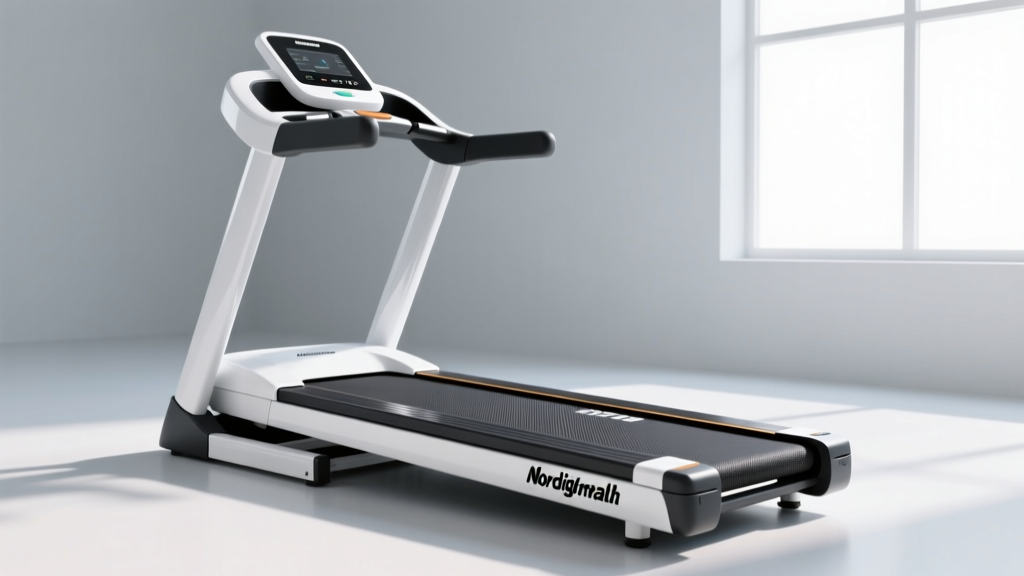
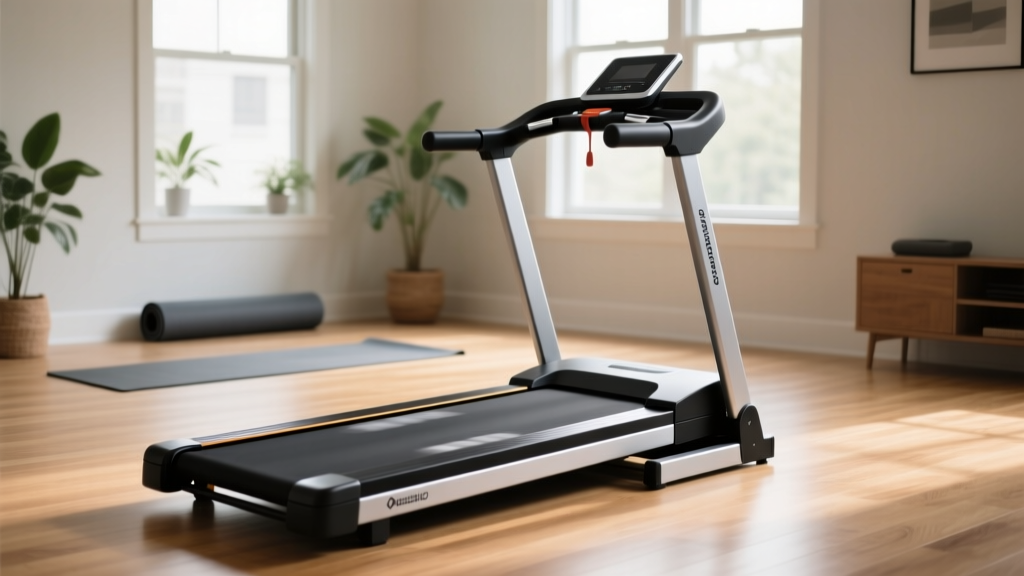
If you have spent any time on fitness forums or remote-work subreddits over the last few years, you have likely encountered the term. But what is a walking pad treadmill? At its core, a walking pad is a ultra-compact, motorized, belt-driven treadmill designed specifically for low-impact, steady-state walking. Unlike traditional treadmills, walking pads typically lack a heavy console, large handrails, and high-incline capabilities. Instead, they prioritize a minimal footprint, allowing them to slide under a bed, stand vertically against a wall, or integrate seamlessly beneath a standing desk.
From a biomechanical standpoint, walking pads facilitate Non-Exercise Activity Thermogenesis (NEAT). According to the Mayo Clinic, increasing your daily NEAT through consistent, low-intensity movement can significantly impact long-term metabolic health and weight management, making the walking pad a highly effective tool for sedentary professionals.
2026 Market Snapshot: Compact Cardio
- Global Market Valuation: The compact and portable home fitness equipment sector is projected to exceed $3.8 billion in 2026.
- Average Price Drop: Entry-level walking pads have seen a 22% price reduction since 2023 due to supply chain stabilization and increased manufacturing competition.
- Primary Demographic: 68% of walking pad buyers are remote or hybrid workers aged 28–45.
Market Analysis: Why Compact Portable Cardio is Dominating
The shift toward compact portable cardio equipment is not merely a passing fad; it is a structural response to modern living environments. Urbanization has shrunk average apartment square footage, while the permanent entrenchment of hybrid work models has eliminated the daily commute—a primary source of incidental step counts for millions. The Centers for Disease Control and Prevention (CDC) recommends at least 150 minutes of moderate-intensity aerobic activity weekly. For the time-poor remote worker, a walking pad transforms dead Zoom-meeting time into active cardiovascular health maintenance.
The Evolution from Novelty to Necessity
Early iterations of the walking pad (circa 2018–2020) were plagued by narrow running belts (often under 16 inches wide) and weak 1.0 HP motors that overheated during hour-long use. The 2026 landscape looks vastly different. Premium models now feature 18-inch wide belts, dual-zone shock absorption, and brushless 2.0 HP motors capable of sustaining 4.0 mph speeds for hours without thermal throttling.
Head-to-Head: Walking Pads vs. Traditional Compact Treadmills
Understanding the distinction between a true walking pad and a "compact" folding treadmill is critical for buyers. Below is a technical comparison of the market leaders in both spaces as of 2026.
| Feature | KingSmith WalkingPad R2 (Premium Pad) | UREVO Strol 2E (Budget Pad) | Sole F63 (Compact Traditional) |
|---|---|---|---|
| Motor | 2.0 HP Brushless | 1.5 HP Peak | 3.0 HP Continuous |
| Max Speed | 6.2 mph (Jogging) | 4.0 mph (Walking) | 10.0 mph (Running) |
| Belt Dimensions | 47" L x 18" W | 41" L x 16" W | 63" L x 20" W |
| Weight / Portability | 62 lbs / Folds in half | 55 lbs / Flat slide-under | 165 lbs / Folds upright |
| 2026 Retail Price | $499 | $229 | $799 |
Top Compact Portable Cardio Options Beyond the Walking Pad
While the walking pad dominates the under-desk market, the broader compact portable cardio category offers distinct alternatives for users seeking different biomechanical impacts or spatial configurations.
1. Under-Desk Ellipticals (e.g., Cubii JR2)
For users with limited vertical clearance or those who prefer a seated, zero-impact motion, under-desk ellipticals remain a strong contender. The Cubii JR2 ($299) weighs just 20 lbs and operates at a near-silent 45 decibels. Unlike a walking pad, which requires you to stand and engage your core and postural muscles, an under-desk elliptical isolates the lower body. It is ideal for users with lower back pain who cannot tolerate prolonged standing, though it yields a lower overall caloric expenditure compared to a walking pad.
2. Auto-Folding Smart Bikes (e.g., Echelon Stride)
If your goal is high-intensity interval training (HIIT) rather than steady-state NEAT, portable cardio must pivot to cycling. The Echelon Stride ($599) represents the cutting edge of space-saving cardio. It features an auto-fold mechanism that reduces its footprint to just 10 inches by 22 inches when not in use. It offers 32 levels of magnetic resistance, catering to serious cyclists who lack the 6-foot by 3-foot footprint required by a Peloton or NordicTrack commercial bike.
Real-World Failure Modes & Edge Cases in Portable Cardio
As a domain expert reviewing hundreds of units, I must highlight the specific failure modes inherent to compact cardio equipment. Manufacturers often obscure these limitations in marketing materials.
Expert Warning: Never exceed the stated weight capacity of a budget walking pad by even 10%. The compact rollers and thin MDF decks on sub-$300 units will bow under dynamic load, causing immediate belt friction and motor burnout.
- Belt Drift and Friction: Walking pads lack the heavy-duty tensioning bolts of traditional treadmills. Users must manually re-center the belt using a hex key every 30 to 45 days. Failure to do so causes the belt to rub against the side rails, melting the plastic trim and voiding the warranty.
- Motor Thermal Throttling: Most 1.25 HP motors in budget walking pads are rated for 45 minutes of continuous use. If a 200 lb user walks at 3.5 mph for 90 minutes, the internal thermal sensor will trip, shutting the machine down abruptly to prevent a fire hazard.
- Lubrication Degradation: Compact belts run hotter due to smaller roller diameters. Silicone lubrication must be applied every 60 miles. Without it, the coefficient of friction spikes, drawing excess amperage and frying the motor controller board.
Buyer’s Framework: Choosing the Right Portable Cardio Gear
To navigate the saturated 2026 compact cardio market, apply this three-step decision matrix before purchasing:
- Audit Your Spatial Clearance: If buying a walking pad for a standing desk, measure the distance between the desk's crossbars. You need a minimum clearance of 44 inches long and 20 inches wide. If your desk has a low crossbar, a walking pad is impossible; pivot to an under-desk elliptical.
- Evaluate the Motor Duty Cycle: Ignore "Peak HP" ratings. Look strictly for "Continuous Duty HP" (CHP). For users over 180 lbs planning to walk for more than an hour daily, a minimum of 1.75 CHP is mandatory to prevent thermal shutdown.
- Check the Decibel Output: The American Heart Association promotes walking for stress reduction. A loud, clunky machine defeats this purpose. Require manufacturer-tested decibel data; aim for a machine that operates below 60 dB (equivalent to a normal conversation) at 3.0 mph.
Final Verdict on the Compact Cardio Revolution
The question of what is a walking pad treadmill is ultimately answered by its utility: it is a bridge between sedentary modern life and baseline cardiovascular health. While it will never replace a heavy-duty treadmill for marathon training, the 2026 generation of walking pads and compact portable cardio options offers unprecedented reliability, smarter integration, and highly accessible pricing. By understanding the mechanical limitations and selecting a unit matched to your specific spatial and biomechanical needs, you can successfully transform your home office into an active, health-promoting environment.
More gear to consider
All reviews
Apple Fitness Treadmill Belt Maintenance: Cost & Value Guide
Compact Folding Treadmill Review: NordicTrack Treadmill Manuals Online

Is the Calorie Count on a Treadmill Accurate? Belt Friction & Costs
Commercial 2450 Treadmill vs Folding Treadmills: Small Space Review

NordicTrack Treadmill Belt Not Moving? Manual vs Motorized Fixes