
Walking on a Treadmill vs Outside: Belt Maintenance Guide
Discover how walking on a treadmill vs outside impacts belt friction. Our expert guide covers hands-on lubricant reviews and exact maintenance protocols.

The Biomechanics of Friction: Walking on a Treadmill vs Outside
When fitness enthusiasts debate the merits of walking on a treadmill vs outside, the conversation almost exclusively revolves around joint impact, calorie expenditure, and biomechanics. According to the American College of Sports Medicine (ACSM), overground walking requires greater propulsive force from the hamstrings and calves, whereas treadmill walking relies on the belt to pull the foot back, altering the kinetic chain. However, as equipment experts, we look at this biomechanical difference from a mechanical engineering perspective: the friction profile.
When you walk outside, your shoe strikes a static surface (asphalt or concrete) and pushes off. On a treadmill, your foot strikes a moving belt, creating a continuous, high-frequency shear force between the underside of the belt and the walking deck. This constant micro-abrasion generates immense heat. Without a meticulous treadmill belt maintenance and lubrication protocol, this friction will silently destroy your machine's motor, controller, and deck long before you ever need to replace your walking shoes.
⚠️ Expert Warning: The Hidden Cost of Dry BeltsA dry treadmill belt increases the motor's amp draw by up to 300%. In 2026, replacing a burnt-out DC drive motor on a mid-tier treadmill like the Sole F63 or NordicTrack T Series costs between $350 and $550, plus labor. A $15 bottle of silicone lubricant prevents this catastrophic failure.
The Amp-Draw Test: Diagnosing Belt Friction Like a Pro
Most generic guides tell you to lubricate your belt 'every 3 months.' But frequency depends entirely on your usage, user weight, and the specific friction coefficient of your deck. Instead of guessing, we use the Amp-Draw Test to determine exact maintenance needs.
- Setup: Plug your treadmill into a smart plug with energy monitoring (like a Kasa or Wyze plug) or a Kill-A-Watt meter.
- Baseline: Turn the treadmill on and let the belt run at 3.0 mph with no one on it. A healthy, well-lubricated belt should pull between 1.5 to 3.0 amps (roughly 150-350 watts).
- Load Test: Step on and walk at a brisk 3.5 mph. The amp draw will naturally spike to accommodate your weight.
- The Verdict: If the loaded amp draw stays under 6-8 amps, your lubrication is adequate. If it spikes to 10 amps or higher, the friction between the belt and deck is robbing the motor of power. It is time to lubricate immediately.
Hands-On Review: Top Treadmill Lubricants for 2026
Not all silicones are created equal. You must use 100% pure silicone. Petroleum-based products (like WD-40) will instantly dissolve the cotton/polyester backing of your treadmill belt, causing irreversible delamination. Here are our top hands-on picks based on viscosity, application ease, and deck compatibility.
1. Spot On Treadmill Lubricant (Best Overall Application)
- Price: $12.95 (4 oz bottle)
- Viscosity: Medium-weight, engineered specifically to stay centered on the deck.
- Expert Take: The included curved application wand is a game-changer. It allows you to coat the exact center of the deck without having to loosen the belt tension entirely. The silicone formula leaves zero residue on the top walking surface if accidentally spilled.
2. Horizon Fitness 100% Silicone (Best OEM Standard)
- Price: $14.99 (2-pack, 1 oz each)
- Viscosity: Lightweight, fast-spreading.
- Expert Take: This is the exact factory-fill lubricant used on Horizon and Johnson Fitness machines. It spreads exceptionally well during the 3 mph break-in walk. However, the lack of an application wand means you must physically lift the belt by hand to apply it.
3. Liquid Wrench 100% Silicone Spray (Best for Edge Cases)
- Price: $8.49 (11 oz aerosol can)
- Viscosity: Ultra-light aerosol mist.
- Expert Take: While Consumer Reports generally advises against aerosol sprays due to overspray, we recommend this specific formula for commercial-grade extra-wide belts (22-inch+) where reaching the center with a liquid squeeze bottle is physically difficult. Pro tip: Use a piece of cardboard to shield the motor hood from overspray.
Step-by-Step Treadmill Belt Maintenance Protocol
Proper lubrication requires exact measurements and tension management. Follow this protocol to ensure optimal performance without causing belt slippage.
- Prep and Access: Unplug the machine. Loosen the rear roller adjustment bolts (usually 6mm Allen key) exactly 3 full turns counter-clockwise on both sides. This should allow you to lift the belt exactly 2 to 3 inches off the deck.
- Measure the Dose: Squeeze exactly 0.5 to 1.0 oz (15-30 ml) of 100% silicone in a zig-zag pattern down the center third of the deck. Do not over-apply; excess silicone will seep out the sides and cause the belt to slip under heavy loads.
- Restore Tension: Tighten the rear roller bolts exactly 3 full turns clockwise to return to the original tension.
- The Distribution Walk: Plug the machine in. Run the treadmill at 3.0 mph for 5 minutes. Walk on it gently to help the silicone distribute evenly across the phenolic deck surface.
Troubleshooting Matrix: Belt Friction Symptoms
When walking on a treadmill vs outside, you don't have to worry about the ground stopping abruptly. But on a machine, friction anomalies manifest in specific ways. Use this matrix to diagnose your issue.
| Symptom | Mechanical Cause | Expert Fix |
|---|---|---|
| Belt hesitates or 'stutters' underfoot | High friction causing the motor to bog down, or loose drive belt. | Perform Amp-Draw test. If amps are high, lubricate. If amps are normal, tighten the front motor drive belt. |
| Thermal overload shutoff at 20 mins | Motor controller overheating due to sustained high amp draw from a dry deck. | Lubricate immediately. Allow the motor hood to cool for 45 minutes before resetting the breaker. |
| Belt slips when pushing off for a run | Over-lubrication or stretched walking belt. | Wipe excess silicone from the edges. If it persists, tighten rear roller bolts 1/2 turn. |
| High-pitched squealing from the rear | Dry roller bearings or misaligned belt tracking rubbing the side caps. | Realign the belt using the left/right adjustment bolts. Do NOT lubricate roller bearings (they are sealed). |
Deck Material Science: When to Replace vs. Maintain
Lubrication only works if the underlying deck is intact. According to Precor commercial maintenance standards, the lifespan of a deck depends heavily on its core material.
- MDF (Medium-Density Fiberboard) with Urethane Coating: Found in budget treadmills under $800. Once the urethane coating wears through from friction, the raw MDF absorbs moisture and swells. Fix: Replacement is mandatory; lubrication will no longer reduce friction.
- Phenolic Resin Decks: Found in premium machines (Sole, Horizon, Life Fitness). These are essentially compressed paper and resin baked under high pressure, creating a glass-smooth, non-porous surface. Fix: With regular silicone lubrication, a phenolic deck will easily outlast the treadmill's electronics, often surviving 15,000+ miles.
The Expert's Rule of Thumb: Run your hand under the belt and across the top of the deck. If it feels smooth like glass, your maintenance is working. If you feel deep grooves, rough patches, or exposed wood grain, the deck is compromised. Continuing to lubricate a grooved deck will only accelerate the wear on the underside of your walking belt.
Final Verdict
Understanding the mechanical differences of walking on a treadmill vs outside is the first step toward becoming a savvy home-gym owner. The continuous shear force of a moving belt demands respect and routine care. By utilizing the Amp-Draw test, selecting the correct 100% silicone lubricant, and adhering to precise tension measurements, you will easily double the lifespan of your treadmill's most expensive components. Don't wait for the burning smell of a fried motor controller—schedule your 15-minute maintenance protocol today.
More gear to consider
All reviews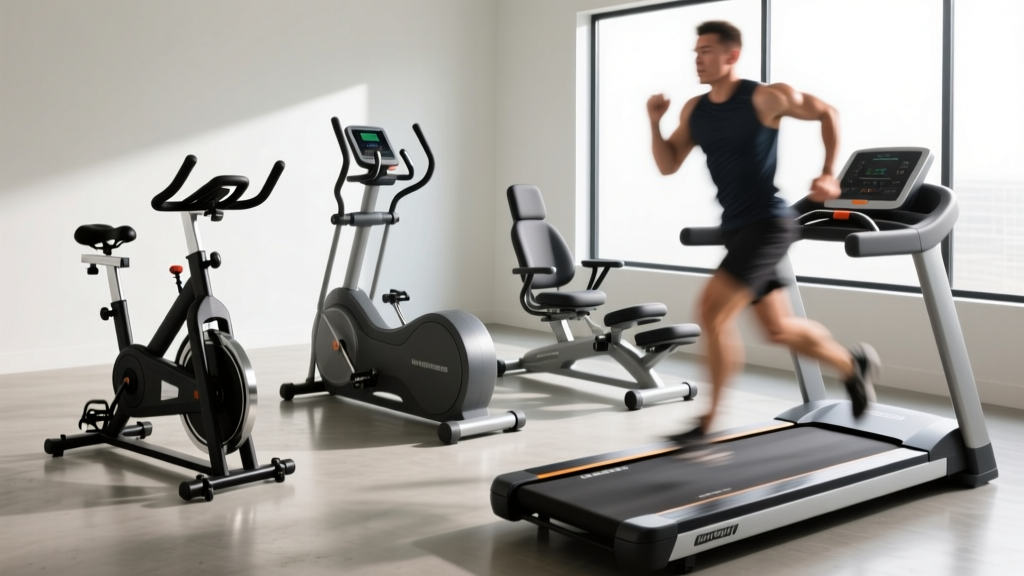
Budget Bikes vs Interval Sprints on Treadmill: Spin & Upright Value

Big Treadmill Motor Guide: HP Mistakes & Troubleshooting
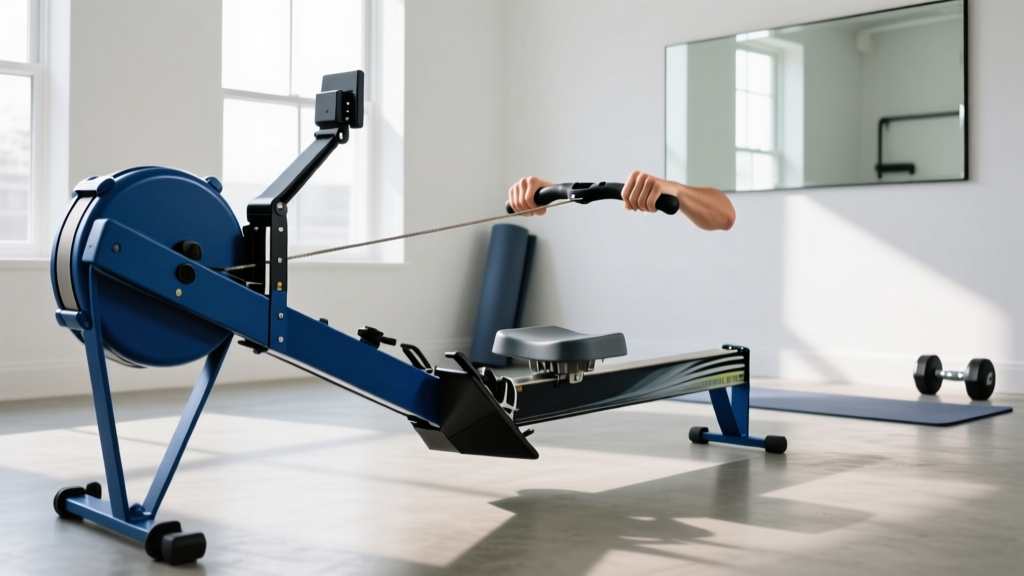
Rowing Machine Buying Guide: The 'Plane on a Treadmill' Resistance Myth

Is a Walking Pad the Best Treadmill Alternative? 2026 Comparison

Walking Pad Reviews: Lessons From The Kelsey Kane Treadmill Video
