Walking Pad vs. Heavy-Duty: Treadmill Weight Capacity 500 lbs Guide
Discover why walking pads fail at 500 lbs and explore our 2026 guide to heavy-duty treadmills with a true treadmill weight capacity of 500 lbs.

The Search for a Walking Pad with a 500 lb Capacity
When plus-size users or those seeking extreme equipment durability search for a treadmill weight capacity 500 lbs, they frequently encounter a frustrating market reality: the walking pad category simply does not support this load. In 2026, the under-desk walking pad market is dominated by compact, foldable units designed for light-to-moderate use. However, bridging the gap between the convenience of a walking pad and the structural integrity required for heavier users requires understanding the biomechanics and engineering limits of home cardio equipment.
According to the Centers for Disease Control and Prevention (CDC), consistent, low-impact walking is one of the most effective interventions for joint health and cardiovascular conditioning in heavier individuals. Yet, attempting to use a standard 250 lb-capacity walking pad at a higher body weight will result in deck flex, belt friction, and catastrophic motor failure. This in-depth guide compares the structural realities of walking pads against heavy-duty treadmills that actually meet or approach the 500 lb threshold.
Engineering Reality Check: The 350 lb Walking Pad Ceiling
True walking pads (defined as motorized belts without upright handrails or full-sized consoles) rely on Medium-Density Fiberboard (MDF) or thin aluminum decks. When a user exceeding 300 lbs steps onto an MDF deck, the board bows downward. This flex causes the running belt to grind against the deck, exponentially increasing friction. The motor then draws excessive amperage to maintain speed, triggering the thermal overload protector and shutting the machine down mid-stride. To achieve a true treadmill weight capacity 500 lbs, a machine requires a reinforced steel deck frame, 1-inch phenolic decking, and a minimum 4.0 Continuous Horsepower (CHP) motor.
Heavy-Duty Treadmill Reviews: The 400–500 lb Tier (2026)
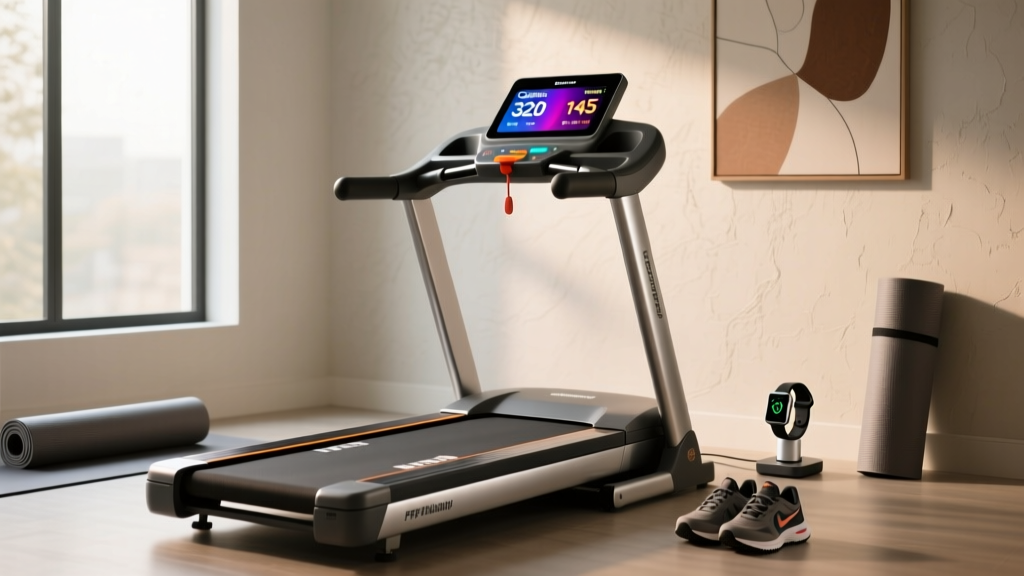
If your priority is weight capacity and joint-safe cushioning, you must graduate from under-desk pads to heavy-duty folding or light-commercial treadmills. Below are the top models that dominate the high-capacity space this year.
1. SportsArt T650M (Bariatric & Medical Grade)
Weight Capacity: 500 lbs | Motor: 4.0 HP AC | Belt: 22" x 60" | Price: ~$7,899
The SportsArt T650M is the undisputed king of high-capacity home and clinical treadmills. Originally designed for bariatric rehabilitation, it features an extra-wide running surface and a 4.0 HP AC motor that never bogs down under heavy loads. Unlike residential DC motors, the AC motor provides consistent torque at slow walking speeds (starting at 0.1 mph), which is critical for users easing into a fitness routine. The deck utilizes a commercial-grade phenolic resin that will not warp, and the 3.0" crowned rollers prevent belt slipping even under maximum dynamic force.
2. Spirit CT800+ (Heavy-Duty Residential)
Weight Capacity: 450 lbs | Motor: 4.0 CHP DC | Belt: 22" x 60" | Price: ~$2,999
For those who cannot accommodate the footprint or price of a medical-grade unit, the Spirit CT800+ is the premier heavy-duty residential option. It supports 450 lbs and features a 4.0 CHP motor paired with 2.75" precision-machined rollers. The Spirit utilizes a high-density compressed wood deck with a dual-durometer cushioning system and a hydraulic folding mechanism. While it falls 50 lbs short of the 500 lb mark, its structural integrity far exceeds standard big-box store treadmills, making it a highly reliable option for heavier users who want a folding design.
3. Sole F85 (Best Budget Heavy-Duty)
Weight Capacity: 400 lbs | Motor: 4.0 CHP | Belt: 22" x 60" | Price: ~$1,999
The Sole F85 remains a staple in the heavy-duty category. While its 400 lb capacity is lower than the SportsArt, its massive 3.2" steel rollers and lifetime warranty on the frame and motor make it an exceptional value. The F85's Cushion Flex Whisper Deck reduces joint impact by up to 40% compared to outdoor asphalt, a vital feature noted by the American Heart Association for sustaining long-term cardiovascular routines without inducing joint pain. It also includes a robust cooling fan and integrated heart rate monitoring via chest strap compatibility.
Comparative Matrix: Walking Pads vs. High-Capacity Treadmills
To understand why you cannot simply buy a "heavy-duty walking pad," review the structural differences across the market tiers.
| Feature | Under-Desk Walking Pad | Heavy-Duty Folding (e.g., Sole F85) | Light-Commercial (e.g., SportsArt T650M) |
|---|---|---|---|
| Max Weight Capacity | 220 – 265 lbs | 400 – 450 lbs | 500+ lbs |
| Deck Material | MDF / Thin Aluminum | Compressed Wood / Phenolic | 1-Inch Solid Phenolic Resin |
| Motor Type | 1.5 - 2.5 HP (Peak) | 3.5 - 4.0 CHP (DC) | 4.0+ HP (AC Commercial) |
| Roller Diameter | 1.0" – 1.5" | 2.5" – 3.2" | 3.0"+ Crowned Steel |
| Safety Handrails | None (Remote operated) | Standard Upright Console | Extended Bariatric Grip Rails |
The "Walking Pad" Alternatives for Plus-Size Users
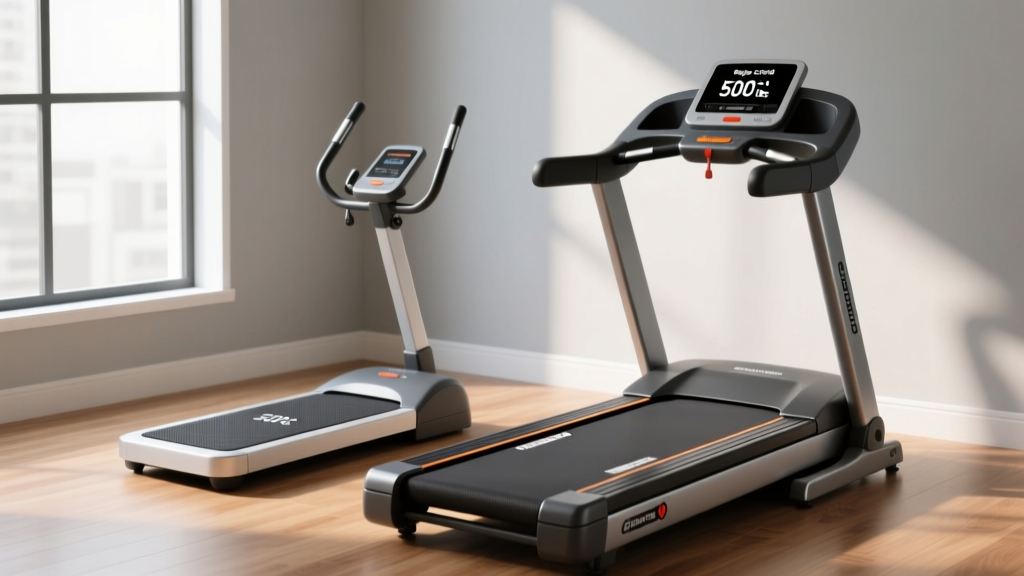
If your space constraints absolutely forbid a full-sized upright treadmill, you must compromise on the "under-desk" definition to gain weight capacity. Here are the highest-capacity compact units available in 2026:
- Sunny Health & Fitness SF-T723016 (350 lb Capacity): Priced around $399, this is technically a folding treadmill with a simplified console and short handrails, not a true under-desk pad. However, its reinforced steel frame allows for a 350 lb capacity, making it the highest-capacity "compact" walker on the market.
- UREVO Strol 2E (265 lb Capacity): If you strictly need an under-desk pad that folds in half, the Strol 2E is the most robust option, featuring a 2.5 HP peak motor and a slightly widened 17-inch belt. However, users near the 265 lb limit will notice motor strain and thermal shutoffs during extended 60-minute sessions.
The High-Capacity Buying Framework
When evaluating any machine for a heavier user, ignore marketing buzzwords and inspect these four mechanical specifications:
- Continuous Horsepower (CHP) vs. Peak HP: Walking pads advertise "3.0 HP," which is the peak output the motor can hit for three seconds before overheating. You need a motor rated for at least 3.5 Continuous Horsepower (CHP) to sustain a 3 mph walk under 400+ lbs of load.
- Roller Diameter: Rollers act as the pulley system for the belt. Under heavy weight, small rollers (under 2.0") will bend, causing the belt to track sideways and fray. Demand a minimum 2.5" diameter.
- Deck Thickness and Material: MDF will snap or permanently bow. Look for commercial phenolic resin or high-density compressed wood with a minimum thickness of 0.75 inches (1 inch preferred for 500 lb loads).
- Belt Width: Heavier users require a wider belt to accommodate natural gait sway. Never accept a belt narrower than 20 inches; 22 inches is the clinical standard for safety and comfort.
- Warranty Limitations: Many brands void their warranty if the machine is used in a "commercial" setting or if the user exceeds the stated weight limit by even 1 lb. Always buy within the stated capacity, leaving a 50 lb buffer for safety and motor longevity.
Final Verdict: Bridging the Gap
"The pursuit of a 500 lb capacity walking pad is a paradox. The engineering required to safely support half a ton of dynamic force necessitates a heavy steel frame, large rollers, and an AC motor—components that inherently destroy the slim, stowable profile of a walking pad. To protect your joints and your investment, prioritize structural integrity over spatial convenience."
Ultimately, if your goal is to secure a treadmill weight capacity 500 lbs, you must look toward light-commercial medical units like the SportsArt T650M. For home users seeking a balance of heavy-duty durability and residential pricing, the Spirit CT800+ (450 lbs) and Sole F85 (400 lbs) remain the gold standards in 2026. By understanding the mechanical limitations of walking pads, you can make an informed investment that supports your long-term cardiovascular health, as recommended by the Mayo Clinic's guidelines on sustainable, joint-friendly exercise routines.
More gear to consider
All reviews
Maintaining the Treadmill Shock Absorber in Compact Portable Models

Beyond 30 Minutes on Treadmill Everyday: Home Stair Climber Guide

NordicTrack 1750 Treadmill Review: Small Space Maintenance Guide

Motor Sizing Guide: Treadmill Workouts for Beginners to Lose Weight

How Many Amps Does a Treadmill Use? Setup & Noise Guide