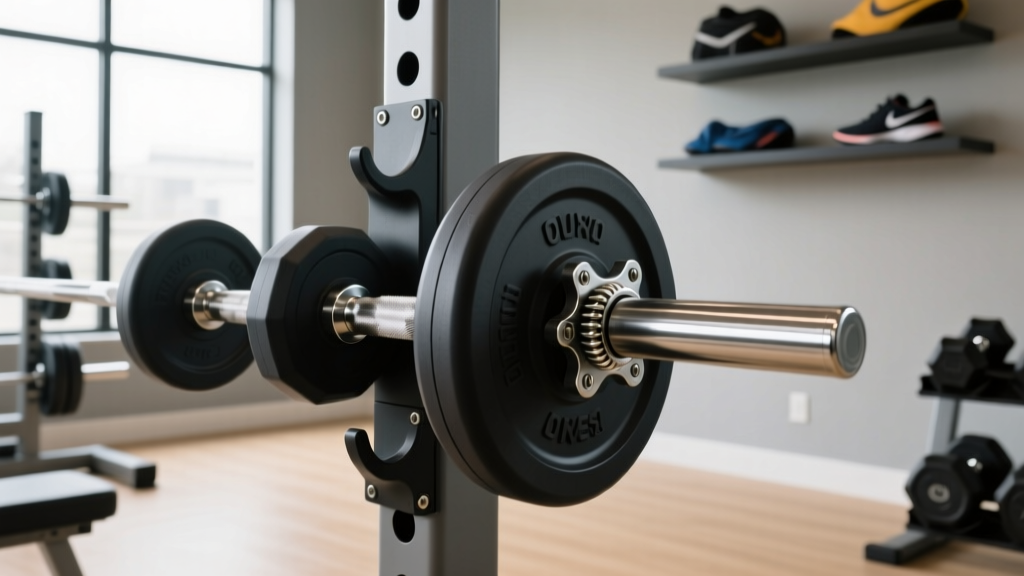
Troubleshooting Dumbbell Flyes: Olympic vs Standard Plates
Fix common dumbbell flyes mistakes by understanding how Olympic vs standard weight plates alter grip width, rotational torque, and safety.

As home gym setups in 2026 increasingly favor modular, plate-loaded systems over expensive adjustable dumbbells, lifters are enjoying the benefits of infinite micro-loading and durability. However, when it comes to isolation movements like the dumbbell flye, treating all plate-loaded handles as equals is a recipe for joint strain and equipment failure. The dumbbell flye is an unforgiving exercise; it places the pectoralis major under extreme mechanical tension at its most vulnerable, stretched position.
Many lifters fail to realize that the physical differences between 1-inch standard weight plates and 2-inch Olympic weight plates fundamentally alter the biomechanics, lever arms, and safety parameters of the flye. According to ExRx.net's biomechanical breakdown of the dumbbell flye, the movement relies heavily on precise horizontal adduction, meaning any lateral imbalance or altered grip width shifts the load directly onto the anterior deltoid and biceps tendon.
This troubleshooting guide will diagnose the most common mistakes lifters make when using Olympic versus standard plates for dumbbell flyes, and provide actionable fixes to protect your shoulders and optimize chest hypertrophy.
The Rotational Inertia Trap: Plate Diameter Matters
The most overlooked variable in plate-loaded dumbbell flyes is rotational inertia. Standard 1-inch cast iron plates are relatively compact. A standard 10-pound plate typically measures about 6.5 inches in diameter. In contrast, a 10-pound Olympic plate is often closer to 9 inches in diameter to accommodate the 2-inch center hub, and if you are using 10-pound rubber bumper plates, they share the full 17.7-inch diameter of a 45-pound plate.
How This Causes Flye Mistakes
During the eccentric (lowering) phase of a flye, your wrists naturally want to rotate slightly to accommodate the stretch of the pec fibers. The wider mass distribution of Olympic plates—especially bumpers—creates a higher rotational torque. If your grip strength and wrist stabilizers are not prepared for this lateral drag, your wrists will involuntarily pronate or supinate at the bottom of the movement. This micro-rotation bleeds tension away from the chest and places shearing force on the distal radioulnar joint.
⚠️ Troubleshooting Fix: If you are using Olympic bumper plates for flyes, you must consciously lock your wrists in a neutral, hammer-curl orientation. Do not allow the wide plates to pull your hands outward at the bottom of the stretch. If wrist fatigue precedes chest fatigue, switch to standard 1-inch iron plates or compact urethane Olympic plates.Grip Width Discrepancies: 14-inch vs 18-inch Handles
The plates themselves are only half the equation; the handles they mount to dictate your lever arm. Standard 1-inch spinlock dumbbell handles are typically 14 inches in total length, yielding a grip shaft of about 5 to 6 inches. Olympic loadable handles, such as the popular 18-inch or 20-inch models from brands like Rogue or Titan Fitness, feature much longer and thicker grip shafts (often 1.3 to 1.5 inches in diameter).
The Mistake: Lifters use the exact same range of motion (ROM) and elbow bend for an 18-inch Olympic setup as they do for a 14-inch standard setup. The wider grip forced by the longer Olympic handle shifts the center of mass further away from your torso. This increases the moment arm at the shoulder joint, drastically multiplying the torque placed on the acromioclavicular (AC) joint during the deep stretch of the flye.
Comparison Matrix: Standard vs. Olympic Flye Setups
| Feature | 1' Standard Setup | 2' Olympic Setup | Biomechanical Impact on Flyes |
|---|---|---|---|
| Handle Length | ~14 inches | 18 - 20 inches | Wider Olympic handles force a broader grip, increasing shoulder shear. |
| Grip Shaft Thickness | 1 inch (25mm) | 1.3' - 1.5' (33-38mm) | Thicker Olympic shafts tax forearm grip, limiting mind-muscle connection. |
| Plate Proximity | Close to hand | Extended outward | Extended Olympic sleeves increase rotational drag during the arc. |
Floor Clearance and Bench Interference
A frequent troubleshooting issue in home gyms is the abrupt halt of the flye eccentric phase due to the plates hitting the floor or the legs of the weight bench. Because Olympic plates (specifically 25lb, 35lb, and 45lb sizes) share a standardized 17.7-inch diameter, they will strike the ground much earlier in the range of motion than standard plates, which scale in diameter according to their weight.
When an Olympic plate hits the floor prematurely, lifters often compensate by arching their lower back excessively or lifting their feet off the ground to create clearance. This destroys the scapular retraction necessary for a safe flye. As noted in ACE Fitness exercise guidelines, maintaining a stable base and neutral spine is critical for isolating the sternal pectoralis without risking lumbar strain.
Pro-Tip: If you are forced to use large-diameter Olympic plates for heavy flyes, perform the movement on a flat bench positioned on top of a low plyo box or aerobic step to artificially increase your floor clearance and allow for a full, safe pectoral stretch.
Collar Slippage: The Concentric Squeeze Failure
The dumbbell flye involves a wide, sweeping lateral arc. This specific movement vector generates centrifugal force that pulls outward on the dumbbell sleeves.
- Standard Spinlock Collars: The threaded star-nuts on 1-inch standard handles are notorious for loosening during lateral arc movements. The vibration and outward pull of the flye can literally unscrew the collar mid-set, resulting in plates sliding off the handle and crashing to the floor.
- Olympic Spring Collars: Standard wire spring collars on 2-inch Olympic handles often lack the lateral clamping force required for flyes, especially if the sleeves are slightly worn or chalky.
Troubleshooting Collar Security
For standard 1-inch handles, you must alternate the threading direction or use rubber-padded lock collars that compress against the plate rather than relying solely on thread friction. For Olympic setups, abandon wire spring clips entirely when doing flyes. Invest in clamp-style collars (like the Rogue HG 2.0 Aluminum Collars or Titan Fitness latch collars) which apply hundreds of pounds of lateral clamping pressure, ensuring the plates remain fused to the sleeve during the concentric squeeze.
Step-by-Step Troubleshooting Checklist for Your Next Session
Before you lie back on the bench for your next set of plate-loaded flyes, run through this diagnostic checklist to ensure your equipment matches your biomechanics.
- Audit Your Handle Length: If using 18'+ Olympic handles, widen your elbow bend slightly (keep a softer 120-degree angle at the elbow rather than a strict 90-degree angle) to reduce the extreme stretch on the pec tendon caused by the wider grip.
- Check Plate Diameter vs. Clearance: Lie back and perform a dry run with empty hands. Visualize where the edge of your specific plates will be at the bottom of the arc. If you are within 2 inches of the floor, elevate your bench.
- Verify Collar Type: Ensure you are using compression clamps, not spinlocks or wire springs. Give the collar a hard lateral yank with your hand to simulate the centrifugal force of the flye.
- Lock the Wrists: If using wide Olympic bumpers, wrap your thumbs tightly around the shaft and lock your wrists in neutral to fight the rotational inertia of the wide plates.
When to Abandon Plate-Loaded Flyes Altogether
While plate-loaded dumbbells are exceptional for presses, rows, and deadlifts, their bulky physical footprint makes them inherently sub-optimal for high-rep, deep-stretch isolation work like the flye. If you have troubleshooted your grip width, collar security, and floor clearance, but still experience anterior shoulder impingement or wrist fatigue, the physical geometry of the plates is likely the culprit.
In these cases, transitioning to a compact adjustable dumbbell system (such as Nuobell or PowerBlock) or utilizing cable crossovers will provide a much cleaner line of pull. The goal of the flye is continuous tension on the pectoral fibers; if your equipment requires you to spend more mental energy stabilizing a 20-inch Olympic handle than contracting your chest, it is time to change the tool.
More gear to consider
All reviews
Single Arm Dumbbell Press Layouts: Cast vs Comp Bells

Dumbbell Squat to Overhead Press: Cast Iron vs Competition

Olympic Barbell Weight, Knurling & Dumbbell Pec Fly Bench Setup

Buying vs Driven: Why Equipment Weight Isn’t Just About the Scale
Beyond a Picture of Dumbbells: Cast Iron vs Competition Kettlebells