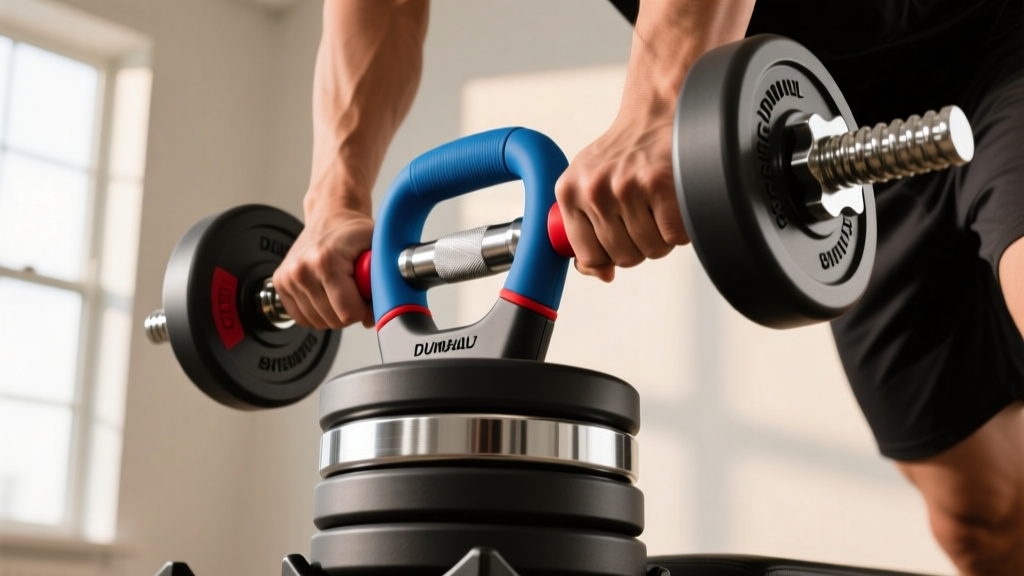
Dumbbell Workout Plan for Beginners: Neoprene Weight Mistakes
Avoid common pitfalls when starting a dumbbell workout plan for beginners. Learn to troubleshoot neoprene weight selection, grip issues, and progression.

The Neoprene Reality Check: Why Home Gym Beginners Struggle
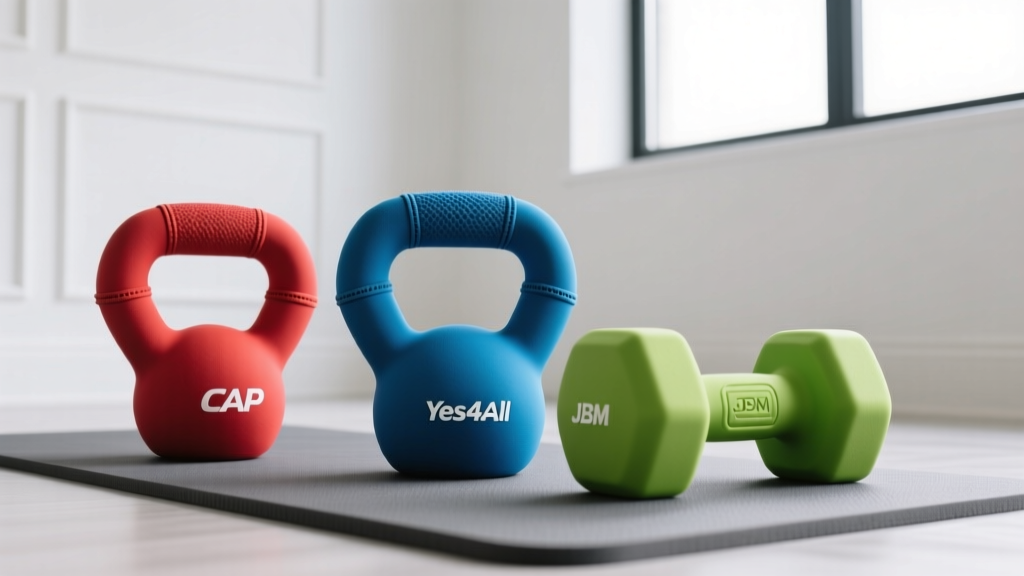
When outfitting a home gym, neoprene-coated dumbbells are often the default choice for novices. Marketed as floor-friendly, quiet, and aesthetically pleasing, brands like CAP Barbell, Yes4All, and Tone Fitness dominate the entry-level market. However, when you actually begin executing a structured dumbbell workout plan for beginners, the physical limitations of polychloroprene (the synthetic rubber used in these coatings) quickly reveal themselves. From premature grip fatigue to progression dead-ends, the equipment you chose to protect your hardwood floors might be sabotaging your biomechanics.
According to the Mayo Clinic's strength training guidelines, beginners should focus on controlled movements and progressive overload to build foundational muscle endurance. Yet, the very design of fixed-weight neoprene dumbbells often actively works against these principles. This guide will troubleshoot the most common mistakes beginners make when pairing neoprene weights with their first fitness routines, offering concrete, expert-level solutions to keep your progress on track in 2026.
Mistake 1: The 'Rainbow Set' Progression Trap
The most common purchasing mistake is buying a standard 'rainbow set' (e.g., pairs of 5, 10, 15, and 20 lbs). While this seems comprehensive, it creates massive mathematical gaps in your progression, particularly for lower-body movements in a beginner dumbbell workout plan.
The Math of Fixed-Weight Jumps
When you move from a 10 lb dumbbell to a 15 lb dumbbell, you are not just adding 5 pounds; you are demanding a 50% increase in load from your muscles. For upper body isolation movements like lateral raises, a 50% jump is neurologically and physically impossible for a beginner to bridge in a standard 4-week mesocycle.
| Current Weight | Next Neoprene Size | Percentage Increase | Impact on Beginner Plan |
|---|---|---|---|
| 5 lbs | 10 lbs | 100% | Severe; requires intermediate tempo manipulation |
| 10 lbs | 15 lbs | 50% | High; often breaks form on isolation exercises |
| 15 lbs | 20 lbs | 33% | Moderate; manageable for compound lifts |
| 25 lbs | 30 lbs | 20% | Ideal; aligns with standard progressive overload |
Mistake 2: Ignoring Handle Diameter and Grip Fatigue
Neoprene is a thick, shock-absorbing material. While a standard bare steel or chrome dumbbell handle measures between 25mm and 28mm in diameter, a neoprene coating adds roughly 4mm to 6mm of material. This pushes the grip diameter to 32mm or even 35mm on heavier sets.
The Biomechanical Edge Case
For users with smaller hands, this increased diameter drastically reduces the mechanical advantage of the flexor digitorum profundus (the muscle responsible for closing your grip). The result? Your forearms fail during a dumbbell Romanian deadlift (RDL) or bent-over row long before your hamstrings or latissimus dorsi reach muscular failure. Your beginner workout plan is effectively turning every back and leg day into an unintentional forearm endurance test.
- Solution A (Technique): Utilize lifting straps for all pulling movements and lower-body hinge patterns. Reserve your bare grip for pressing movements where the weight rests on the heel of the palm.
- Solution B (Equipment): If purchasing new, look for neoprene dumbbells with 'contoured' or 'ergonomic' handles (like the CAP Barbell Contoured Neoprene line), which taper at the ends to reduce the effective grip circumference.
Mistake 3: Improper Cleaning and 'Sticky Degradation'
A frequent complaint in home gyms is neoprene dumbbells becoming tacky or 'sticky' after a few months of use. This is not a manufacturing defect; it is a chemical reaction. Polychloroprene breaks down when exposed to two specific elements common in home workouts: human sebum (body oils/sweat) and UV radiation from sunlight.
'Many beginners ruin their home gym equipment by using harsh chemical disinfectants. Bleach and ammonia-based cleaners accelerate the plasticizer migration in synthetic rubbers, leading to permanent surface degradation.' - Home Fitness Equipment Maintenance Standards, 2025
The Correct Maintenance Protocol
To troubleshoot and prevent sticky degradation, you must clean your neoprene weights correctly after every session. The Cleveland Clinic's guide to starting weightlifting emphasizes hygiene, but for equipment care, follow this exact protocol:
- Wipe Down: Use a microfiber cloth dampened with a solution of mild dish soap and warm water immediately post-workout to remove acidic sweat and oils.
- Disinfect Safely: If you need to sanitize, use 70% isopropyl alcohol applied to a cloth (never sprayed directly onto the rubber, as pooling alcohol dries out the neoprene).
- Storage: Keep your dumbbell rack away from direct window sunlight. UV exposure will cause the color to fade and the rubber to become brittle and peel within 12 to 18 months.
Adapting Your Dumbbell Workout Plan for Beginners
When you are locked into a set of fixed neoprene weights, you must adapt the programming to the equipment, not the other way around. If your beginner plan calls for 3 sets of 10 Goblet Squats, but your 15 lb dumbbell is too light and your 25 lb dumbbell is too heavy to hold securely, use Eccentric Overload Tempo.
The 4-1-X-1 Tempo Framework
- 4 Seconds Eccentric: Lower the lighter dumbbell into the squat over a strict 4-second count.
- 1 Second Pause: Hold the bottom position to eliminate the stretch reflex.
- X (Explosive) Concentric: Drive up as fast as possible.
- 1 Second Pause: Squeeze at the top.
By manipulating the tempo, a 15 lb neoprene dumbbell will stimulate muscle growth equivalently to a 25 lb dumbbell lifted at a standard, uncontrolled tempo.
Quick Troubleshooting Matrix
Keep this matrix handy when your beginner workout plan hits a snag due to equipment limitations.
| Problem Encountered | Root Cause | Immediate Troubleshooting Fix |
|---|---|---|
| Weight feels too light, but next size up is too heavy. | Fixed 5lb/10lb incremental jumps. | Implement 1.5 reps, slow eccentrics, or pre-exhaustion sets. |
| Dumbbells slip from hands during heavy rows or RDLs. | Thick neoprene coating reducing grip friction and diameter. | Apply liquid chalk to the handle; use cotton lifting straps. |
| Neoprene coating is peeling or leaving black marks on floors. | UV degradation or reaction to harsh floor cleaners. | Move rack out of sunlight; clean with mild soap only; apply rubber protectant. |
| Wrists hurt during overhead presses. | Bulky neoprene heads alter the center of mass and wrist alignment. | Switch to a neutral grip (palms facing inward) to align the radius and ulna. |
Final Thoughts on Neoprene for Home Use
Neoprene-coated dumbbells remain an excellent, budget-friendly entry point for home gyms in 2026, typically costing between $1.60 and $2.20 per pound. However, they are not a 'set it and forget it' solution. By understanding the biomechanical impacts of thicker grips, the mathematical hurdles of fixed-weight progression, and the chemical sensitivities of synthetic rubber, you can successfully troubleshoot any friction points in your routine. Adapt your programming, maintain your gear, and your beginner dumbbell workout plan will yield the results you are looking for.
More gear to consider
All reviews
Best Racks for 200 lbs Dumbbells: 2026 Heavy-Duty Storage Guide
Best Neoprene Dumbbells for Dumbbell Curl Exercises (2026 Guide)

Stability Ball Dumbbell Bench Press vs Kettlebell Budget Breakdown

2026 Value Guide: Kettlebells & Decline Chest Press with Dumbbells

Rubber Hex vs Urethane Dumbbells for Reverse Dumbbell Curls