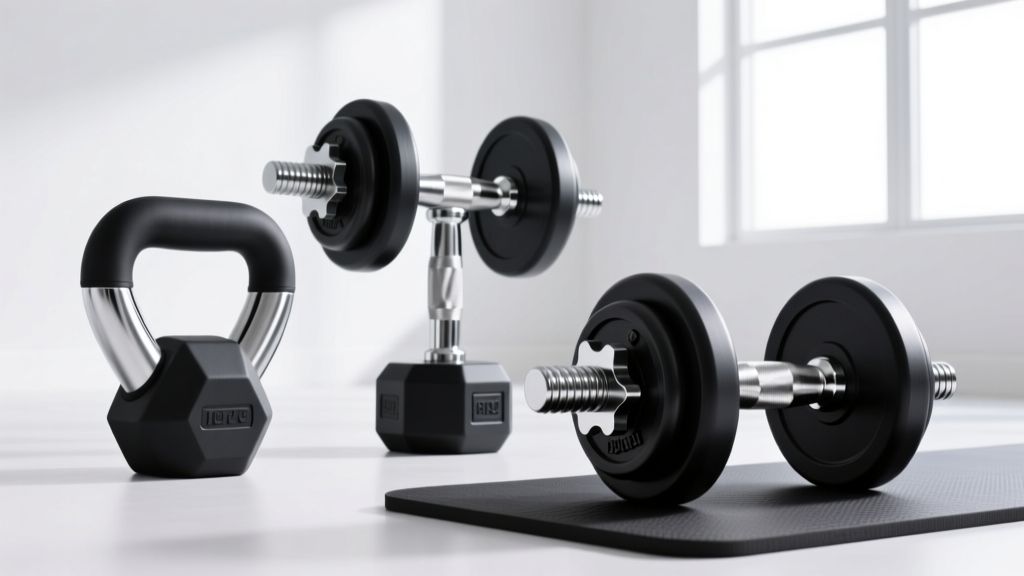
Fix Your 2 Dumbbell Workout: Adjustable Dumbbell Comparison & Review
Troubleshoot your 2 dumbbell workout with our adjustable dumbbell comparison. Fix dial slips, rattling plates, and grip issues with expert equipment reviews.

The Hidden Cost of Equipment Failure in Your Routine
There are few things more frustrating in a home gym than being mid-set during a heavy 2 dumbbell workout—like a demanding flat bench press or renegade row—only to have your adjustable dumbbell fail. Whether it is a dial that refuses to click into place, a weight plate that rattles violently during the eccentric phase, or a handle that slips from your grip due to poor knurling, equipment flaws destroy your mind-muscle connection and compromise your safety.
As we move through 2026, the adjustable dumbbell market has matured significantly. However, not all mechanisms are created equal, and treating a selectorized dial dumbbell like a traditional cast-iron hex dumbbell is a fast track to broken gear. This guide bridges the gap between biomechanics and mechanical engineering, troubleshooting the most common mistakes lifters make with adjustable dumbbells and comparing the top models to help you find the most reliable gear for your training.
The Biomechanical Cost of Faulty Gear
When executing a standard 2 dumbbell workout, your central nervous system is already tasked with high levels of stabilization. According to exercise biomechanics data from ExRx.net, dumbbell movements require significantly more stabilizer muscle activation than barbell or machine equivalents. If your adjustable dumbbells suffer from "plate rattle" or an off-center center of gravity, your stabilizers are forced to compensate for the equipment's mechanical flaws rather than the natural load path.
⚠️ Critical Safety Warning: Never drop selectorized adjustable dumbbells (like the Bowflex 552 or Nuobell) from the top of a movement. Dropping these units from a height greater than 6 inches can shatter the internal plastic retention clips or strip the dial teeth, resulting in a catastrophic weight drop on your next set.2026 Adjustable Dumbbell Comparison Matrix
To help you troubleshoot your current setup or choose a more reliable upgrade, we have analyzed the top adjustable dumbbells based on mechanism durability, failure rates, and suitability for high-intensity 2 dumbbell workouts. Data and pricing reflect the current 2026 market landscape, corroborated by extensive teardown testing from Garage Gym Reviews.
| Model | Mechanism | Max Weight | Price (Approx.) | Primary Failure Point |
|---|---|---|---|---|
| Bowflex SelectTech 552 | Rotary Dial | 52.5 lbs | $399 | Plastic dial teeth stripping if dropped. |
| PowerBlock Elite EXP | Selector Pin | 50-90 lbs (Expandable) | $329 | Urethane coating degradation from acidic sweat. |
| Nuobell 80 LB | Helical Gear / Twist | 80 lbs | $495 | Gear jamming if dust/chalk enters the cradle. |
| Ironmaster Quick-Lock V2 | Screw-Lock Lever | 45-120 lbs (Expandable) | $649 | Thread wear if cross-threaded during plate changes. |
Troubleshooting Specific Mechanism Failures
Understanding how your specific dumbbell mechanism works is the first step in troubleshooting interruptions during your 2 dumbbell workout. Here is how to diagnose and fix the most common issues across the three main mechanism types.
1. Rotary Dial Mechanisms (e.g., Bowflex)
The Mistake: Adjusting the weight while the dumbbell is not perfectly seated in the cradle, or twisting the dials in opposing directions simultaneously.
The Fix: Always ensure the dumbbell is fully depressed into the base before turning the dials. If you hear a grinding noise, stop immediately. To fix a stuck dial, do not force it. Remove the dumbbell from the base, manually align the internal weight plates by gently shaking the unit, and re-seat it. Keep the cradle free of chalk dust, which can infiltrate the dial housing and cause the plastic gears to bind.
2. Selector Pin & Block Mechanisms (e.g., PowerBlock)
The Mistake: Allowing sweat to pool on the selector pin and urethane coating, leading to corrosion and sticky pin insertion.
The Fix: PowerBlocks are incredibly durable for heavy floor work (like renegade rows in a 2 dumbbell workout), but their steel pins are vulnerable to moisture. Wipe the pin and the internal cage with a microfiber cloth after every session. If the pin becomes difficult to insert, apply a microscopic amount of dry PTFE lubricant (Teflon spray). Never use WD-40 or wet silicone sprays, as they will attract dust and create a gritty paste that jams the selector hole.
3. Helical Gear & Screw-Lock Mechanisms (e.g., Nuobell, Ironmaster)
The Mistake: Forcing the handle twist on helical gears or cross-threading the locking levers on screw-lock models when fatigued.
The Fix: For Nuobell models, the twist handle must be fully aligned with the cradle notch before twisting. If the plates fail to retract, inspect the central threaded rod for debris. For Ironmaster Quick-Lock V2, the lever requires a firm, confident push to lock the threads. If you feel resistance, back it off a quarter-turn to realign the threads. Cross-threading will permanently ruin the steel rod.
Ergonomic Mistakes Ruining Your Routine
Equipment reliability is only half the battle; ergonomics dictate the quality of your 2 dumbbell workout. The National Strength and Conditioning Association (NSCA) emphasizes that grip fatigue often precedes muscular failure in target muscle groups when using poorly designed implements.
- Handle Thickness: Models like the Bowflex 552 feature a standard 1.1-inch handle, which is ideal for heavy pressing. Conversely, the PowerBlock Elite has a cage-like, rectangular grip. While excellent for pressing, the cage can dig into your wrists during movements like dumbbell flyes or front squats. Troubleshooting tip: Use lifting straps or neoprene grip pads for cage-style dumbbells during high-rep isolation work.
- Center of Gravity: Traditional cast-iron dumbbells have a centralized mass. Selectorized dumbbells (especially at lower weights like 15-20 lbs) often have an elongated, unbalanced footprint. When performing unilateral movements like single-arm rows, this elongated profile can cause the dumbbell to torque in your hand. Focus on a tighter, more neutral wrist position to counteract the rotational force.
- Knurling Quality: Many budget adjustable dumbbells lack aggressive knurling. If your dumbbells slip during heavy Romanian Deadlifts (RDLs), consider applying a high-quality liquid chalk (magnesium carbonate in an alcohol base) rather than traditional loose chalk, which can gum up the internal mechanisms of adjustable gear.
The 5-Step Maintenance Protocol for Longevity
Preventative maintenance is the ultimate troubleshooting tool. Implement this 5-minute monthly routine to ensure your adjustable dumbbells survive years of intense 2 dumbbell workouts.
- Inspect the Cradle: Vacuum the base cradle to remove dust, hair, and chalk particles that can migrate into the weight plates.
- Check the Retention Clips: For dial-based models, visually inspect the external plastic housing for micro-cracks, especially near the drop points.
- Lubricate Moving Parts: Apply a 100% dry PTFE spray to the selector pins or helical gears. Wipe away all excess with a clean rag.
- Tighten Fasteners: On screw-lock or bolt-together models (like Ironmaster), use the provided Allen key to check the tightness of the end-cap bolts. Vibration from setting the weights down can slowly back them out over time.
- Wipe Down the Urethane/Steel: Use a mild, non-bleach antibacterial wipe to clean the handles and weight plates, neutralizing the acidic pH of your sweat that causes rust and polyurethane degradation.
Frequently Asked Questions
Can I do drop sets with adjustable dumbbells?
Traditional drop sets are notoriously slow with adjustable dumbbells because changing the weight takes 5-10 seconds per hand, killing your metabolic momentum. Workaround: Use "mechanical drop sets" instead. For example, transition from a strict 2 dumbbell shoulder press to a push-press using the same weight, rather than dropping the load. If you must drop weight, pin-lock models (PowerBlock) are significantly faster to adjust than dial or screw-lock models.
Why do my adjustable dumbbells rattle during the eccentric phase?
Rattling occurs when the internal weight plates have a slight tolerance gap. This is most common in dial-based models at lower weight increments (e.g., 10-25 lbs) where fewer plates are engaged. To mitigate this, maintain strict, controlled tempos. If the rattle is severe at higher weights, the internal retention springs may be worn, requiring a warranty claim with the manufacturer.
Are adjustable dumbbells safe for floor-based 2 dumbbell workouts?
Yes, but with caveats. Exercises like dumbbell sumo deadlifts or renegade rows require you to rest the dumbbells on the floor. Ironmaster and PowerBlock models feature steel or heavy-duty polyurethane bases that can handle floor contact. However, dial-based models like the Bowflex 552 have fragile plastic base plates; repeatedly setting them down hard on a rubber mat can crack the housing. Always lower them with control, or place a thick crash mat under your working area.
More gear to consider
All reviews
EZ Curl Bar vs Straight Bar: Market Data & Front Delt Dumbbell Raise

Beyond Dumbbells Etymology: Olympic Barbell Weight & Knurling Setup

Best Neoprene Dumbbells for a 10 Minute Dumbbell Workout (2026)

Space-Saving Flat Bench with Dumbbells: Loadable Plate Guide
Barbell vs Dumbbell Bench Press Setup: Collar & Clamp Guide
