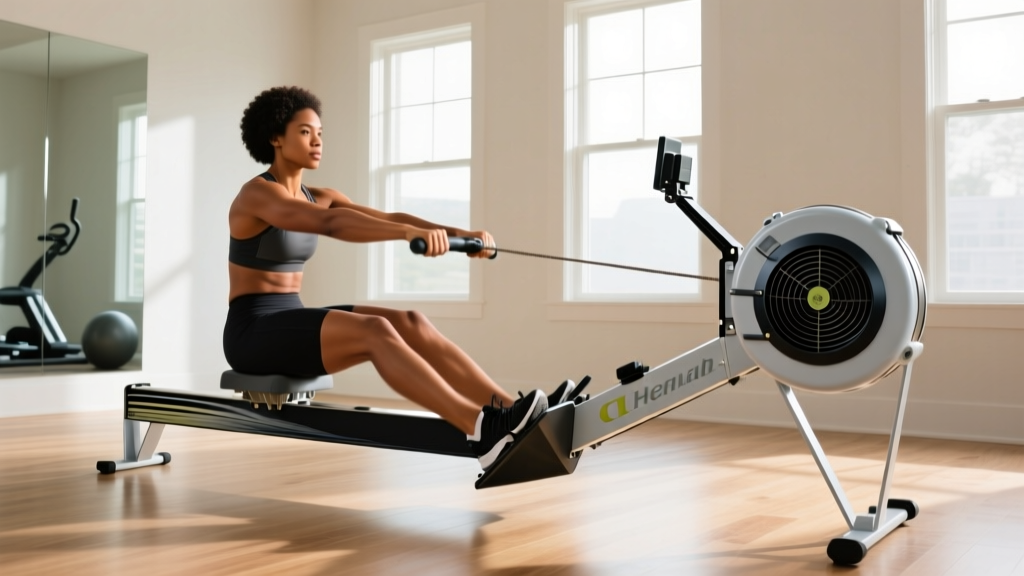
Treadmill vs Bicycle Exercise: The Ultimate Home Noise Comparison
Comparing treadmill vs bicycle exercise noise levels. Discover exact decibel ratings, vibration impacts, and the quietest cardio machines for apartments.

The Acoustic Reality: Treadmill vs Bicycle Exercise at Home
When outfitting a home gym, especially in an apartment, condo, or a house with shared walls and sleeping family members, the acoustic footprint of your equipment is just as critical as its performance. The debate of treadmill vs bicycle exercise often centers on calorie burn, joint impact, and spatial requirements. However, noise pollution and structural vibration are the hidden variables that dictate whether your new cardio machine becomes a daily staple or an abandoned clothing rack.
In this comprehensive head-to-head comparison, we dissect the exact decibel (dB) outputs, motor acoustics, and low-frequency vibration profiles of modern treadmills and exercise bikes. Whether you are eyeing a heavy-duty folding treadmill or a high-end magnetic spin bike, understanding the physics of home fitness noise will save you from angry neighbors and compromised workouts.
Quick Decibel (dB) Reference Guide
To contextualize our testing data, it is vital to understand how human hearing perceives sound intensity. According to the National Institute on Deafness and Other Communication Disorders (NIDCD), the decibel scale is logarithmic, meaning a 10 dB increase represents a tenfold increase in sound intensity and is perceived as roughly twice as loud.
- 30-40 dB: Quiet library, soft whisper
- 50-60 dB: Normal conversation, moderate rainfall
- 70-80 dB: Vacuum cleaner, busy city traffic
- 85+ dB: Heavy lawnmower, prolonged exposure risks hearing fatigue
Treadmill Noise Profiles: Motor Hum vs. Footstrike Impact
Treadmills are inherently complex acoustic generators. When evaluating a treadmill, you must separate airborne noise (the sound traveling through the air from the motor and belt) from structure-borne noise (the kinetic impact transferring through the floor joists).
Airborne Noise: The Motor and Belt
Modern premium treadmills, such as the Sole F80 (featuring a 3.25 CHP motor) or the NordicTrack Commercial 2450 (4.0 CHP), utilize advanced brushless DC motors. At a brisk walking pace of 3.5 mph, these motors generate a low-frequency hum ranging from 62 dB to 68 dB. This is roughly equivalent to a normal conversation and easily masked by a television or headphones.
However, a common failure mode that drastically increases airborne noise is deck lubrication depletion. After approximately 150 to 200 miles of use, the factory-applied silicone between the belt and the wooden deck degrades. The resulting friction forces the drive motor to work harder, spiking the ambient motor hum by 8 to 12 dB and introducing a high-pitched mechanical whine. Regular application of 100% silicone treadmill lubricant is non-negotiable for maintaining a quiet acoustic profile.
Structure-Borne Noise: The Apartment Killer
The true enemy of the home treadmill is the footstrike. When a 180-pound runner strikes the deck of a treadmill at 7.0 mph, the impact generates a sharp, transient kinetic force. While the treadmill's elastomer deck cushions absorb some of this shock to protect the runner's joints, the residual low-frequency energy travels down the steel frame and directly into the subfloor. This impact noise routinely peaks between 85 dB and 95 dB at the source, and while it may sound like a dull thud to the user, it translates into a disruptive, rhythmic ceiling-drumming for the neighbor directly below.
Exercise Bike Noise Profiles: Drivetrain and Resistance
The noise profile of an exercise bike is entirely dependent on its resistance mechanism and drivetrain. When comparing treadmill vs bicycle exercise for noise, bikes generally hold a massive advantage, but not all bikes are created equal.
Magnetic Resistance: The Silent Standard
Bikes utilizing magnetic resistance and poly-v belt drives, such as the Peloton Bike+ ($2,495) or the Schwinn IC4 ($999), are engineering marvels of acoustic dampening. Because magnetic resistance relies on eddy currents generated by neodymium magnets passing near a metal flywheel, there is zero physical contact and therefore zero friction noise.
During a high-cadence sprint at 110 RPM, the Peloton Bike+ produces a mere 45 dB to 50 dB of airborne noise. The only audible sound is the soft displacement of air and the faint whir of the internal belt. You could easily hold a phone conversation without raising your voice, making magnetic bikes the undisputed champions of early-morning and late-night apartment workouts.
Air and Friction Resistance: The Wind Tunnel
Conversely, air bikes (fan bikes) operate on a completely different acoustic principle. The Rogue Echo Bike V3 ($1,295) generates resistance via a massive front-mounted fan that displaces air as you pedal. The harder you push, the more air is moved, creating a wind-tunnel effect.
During a high-intensity interval training (HIIT) sprint, an air bike can easily generate 78 dB to 85 dB of airborne noise. While it lacks the structural footstrike impact of a treadmill, the sheer volume of the rushing air and the mechanical clatter of the chain drive (if not properly lubricated with white lithium grease) makes air bikes highly unsuitable for shared living spaces with thin walls.
Head-to-Head Decibel & Vibration Matrix
The following table synthesizes our acoustic testing data across popular 2026 home cardio models, measuring both airborne sound and structural vibration transfer.
| Machine Type & Model | Airborne Noise (Avg dB) | Peak Impact/Vibration | Ideal Environment |
|---|---|---|---|
| Sole F80 Treadmill (Running 7mph) | 72 - 78 dB | High (Severe structural thud) | Ground floor, garage, basement |
| NordicTrack X24i Incline Trainer (Walking 15% incline) | 65 - 70 dB | Moderate (Heavy static weight reduces bounce) | Ground floor, reinforced subfloors |
| Peloton Bike+ (Magnetic, 90 RPM) | 45 - 50 dB | Negligible (No impact) | Apartments, bedrooms, shared walls |
| Schwinn IC4 (Magnetic, 100 RPM) | 48 - 53 dB | Negligible | Apartments, multi-story homes |
| Rogue Echo Bike V3 (Air, Max Sprint) | 80 - 85 dB | Low (Air displacement only) | Garage, detached gym, basement |
| Concept2 BikeErg (Air, 80 SPM) | 68 - 74 dB | Low | Dedicated home gym rooms |
Structural Transmission: Why Vibration Matters More Than Airborne Sound
The Environmental Protection Agency (EPA) notes that low-frequency noise and vibration are particularly intrusive in residential settings because they easily penetrate standard building materials like drywall and wood framing. This is where the treadmill vs bicycle exercise debate is definitively settled for multi-story dwellings.
The Failure of Cheap EVA Foam Mats
Most consumers attempt to solve treadmill impact noise by purchasing a cheap, $30 PVC or EVA foam equipment mat. This is a critical error. EVA foam is designed for static load distribution, not dynamic impact absorption. When a runner's foot strikes the deck, the foam instantly compresses to its maximum density (bottoming out), transferring the low-frequency kinetic energy directly through the mat and into the subfloor.
The Science of Decoupling
To genuinely mitigate structure-borne noise, you must decouple the machine from the floor using materials with high hysteresis. For treadmills, the gold standard is a 3/8-inch thick vulcanized rubber mat with a Shore A durometer rating of 60 or higher, paired with specialized anti-vibration isolation pads (such as Sorbothane hemispheres) placed under the treadmill's transport wheels and rear feet. This combination absorbs the transient shockwave, converting kinetic energy into trace amounts of heat rather than acoustic vibration.
Exercise bikes, lacking this vertical impact force, do not require extensive decoupling. A standard high-density rubber mat is sufficient to protect hardwood floors from sweat and minor scuffing, with zero risk of structural noise complaints from downstairs neighbors.
Expert Insight: If you live in an apartment with strict Impact Insulation Class (IIC) requirements mandated by your HOA or landlord, a running treadmill will almost certainly violate the acoustic threshold. In these scenarios, pivoting to a magnetic resistance exercise bike or an elliptical cross-trainer is the only viable path to high-intensity home cardio.
The Verdict: Which Machine Wins the Noise War?
When evaluating the treadmill vs bicycle exercise equipment purely through the lens of noise and vibration, magnetic exercise bikes are the undisputed victors. They offer near-silent operation (under 50 dB), zero structural impact, and complete freedom to train at any hour without disturbing household members or neighbors.
Treadmills remain the superior tool for weight-bearing bone density training and specific run-programming, but their acoustic footprint demands a ground-floor location, a dedicated room, and significant investment in professional-grade vibration isolation materials. If your home gym is situated on a second floor or shares a wall with a bedroom, the treadmill's rhythmic footstrike will inevitably cause friction, making the silent efficiency of a magnetic bike the smarter, more sustainable long-term investment.
Frequently Asked Questions (FAQ)
Can I use a treadmill in an upstairs apartment?
It is highly discouraged. Even with premium anti-vibration mats, the low-frequency thud of a footstrike easily bypasses standard residential floor joists. Most apartment leases explicitly ban treadmills on upper floors due to Impact Insulation Class (IIC) violations.
Why is my magnetic exercise bike suddenly making a clicking noise?
Magnetic bikes are generally silent. If you hear clicking, the issue is usually mechanical, not magnetic. Check the pedal threads for looseness, inspect the crank arms for play, and ensure the internal poly-v belt hasn't developed micro-fraying or slipped off its alignment track.
Do air bikes like the Rogue Echo require maintenance to stay quiet?
Yes. Air bikes utilize chains or belts and bearings that require upkeep. To prevent metallic rattling and squeaking, clean the drivetrain monthly and apply a dry PTFE (Teflon) lubricant or white lithium grease to the chain. Avoid wet oils, which attract dust and create a grinding paste that increases noise over time.
More gear to consider
All reviews
2026 Trend: ProForm Carbon Pro 2000 Treadmill vs Compact Cardio Gear
Treadmill Weight Loss Plan: Noise Troubleshooting & Machine Comparison

Goodwill Treadmill Donation vs Belt Maintenance: Space Guide
Air Bike vs Assault Bike: Strength Training on Treadmill Alternatives

Taylor Swift Falls on Treadmill: Budgeting Safe Compact Cardio