
Optimize Calories Burned From Treadmill: Setup & Noise Guide
Master your treadmill installation to eliminate noise complaints and maximize the calories burned from treadmill workouts in any home gym.

The Hidden Link Between Machine Noise and Workout Consistency
As home fitness technology advances in 2026, flagship models like the NordicTrack Commercial 2450i and the Peloton Tread+ offer unparalleled interactive training. However, a critical barrier to achieving your fitness goals is often overlooked: acoustic and vibrational output. If you live in an apartment, a multi-story home, or share walls, machine noise can lead to complaints that force you to cut workouts short. When you truncate a high-intensity interval training (HIIT) session due to noise concerns, you directly reduce the total calories burned from treadmill routines and eliminate the beneficial Excess Post-exercise Oxygen Consumption (EPOC) effect.
This comprehensive setup and installation walkthrough is designed to help you acoustically decouple your equipment, ensure structural safety, and create an environment where you can train at maximum effort without disruption. By following these precision installation steps, you will protect your equipment's warranty, preserve your relationships with neighbors, and optimize every single workout.
Cardio Machine Noise Level Comparison: What You Are Actually Dealing With
Before unboxing your new equipment, it is vital to understand the acoustic footprint of different cardio machines. Treadmills inherently produce the highest impact noise due to the repetitive footstrikes of the user, which transfer kinetic energy directly through the deck and into the floor joists. Below is a comparative analysis of average noise outputs for popular home cardio equipment.
| Machine Type | Average Decibel (dB) Range | Peak Impact Noise | Primary Vibration Transfer |
|---|---|---|---|
| Treadmill (Running 7+ mph) | 75 - 85 dB | High (Footstrike) | Structural (Floor joists/subfloor) |
| Treadmill (Walking 3 mph) | 60 - 70 dB | Moderate | Surface friction and motor hum |
| Elliptical Cross-Trainer | 50 - 60 dB | Low | Flywheel bearing hum |
| Magnetic Rowing Machine | 55 - 65 dB | Low-Moderate | Rail roller friction |
| Air Assault Bike | 70 - 80 dB | Low | Air displacement (fan whoosh) |
As the data illustrates, a treadmill in use can easily reach 85 decibels—equivalent to heavy city traffic or a loud vacuum cleaner. Without proper installation and acoustic dampening, this low-frequency thumping will travel through structural beams, making a cardio machine noise level comparison heavily skewed against treadmills in shared living spaces.
Complete Treadmill Setup and Installation Walkthrough
Proper installation goes far beyond plugging the machine into a wall outlet. To minimize acoustic transfer and ensure the motor operates efficiently (which prevents overheating during long sessions aimed at maximizing calories burned from treadmill workouts), follow this exact sequence.
Phase 1: Site Prep and Electrical Isolation
- Verify Floor Load Capacity: A 2026 Bowflex 2200 weighs roughly 280 lbs. Add a 200 lb user, and you are placing 480 lbs of dynamic, shifting weight on your floor. If installing on a second story, ensure the machine is placed perpendicular to the floor joists, ideally near a load-bearing wall.
- Dedicate a 15-Amp Circuit: Treadmill motors draw massive current upon startup and during heavy incline loading. Plug the machine directly into a dedicated 15-amp or 20-amp wall outlet. Never use an extension cord or a power strip, as voltage drops can cause the motor to overwork, increasing operational noise and risking a fire hazard.
- Clear the Safety Perimeter: The CDC physical activity guidelines emphasize safe environments for exercise. Maintain a minimum of 3 feet of clearance on all sides, and at least 6 feet behind the treadmill to prevent injury in the event of a fall.
Phase 2: Acoustic Decoupling and Mat Placement
The single most effective way to reduce structural noise transfer is to decouple the machine from the subfloor. Do not use cheap, thin PVC mats. Instead, invest in a 3/8-inch thick, high-density vulcanized rubber mat (typically costing between $70 and $120).
Pro Tip: For apartment dwellers, create a 'floating floor' effect. Lay down a layer of 1/2-inch interlocking EVA foam tiles, and place your heavy rubber mat directly on top of the foam. This dual-layer system absorbs both high-frequency motor whine and low-frequency footstrike impacts.Phase 3: Precision Leveling and Belt Calibration
An unlevel treadmill forces the motor to work harder, increasing decibel output and causing premature belt wear.
- Place a digital torpedo level on the side rail of the treadmill deck.
- Locate the adjustable leveling feet at the rear of the machine.
- Use a wrench to adjust the feet until the digital level reads exactly 0.0 degrees.
- Check the belt tension. You should be able to lift the edge of the running belt exactly 2 to 3 inches off the deck in the center. If it is too tight, the motor will whine; if too loose, it will slap against the deck during footstrikes.
- Apply 100% silicone treadmill lubricant under the belt according to the manufacturer's specifications to eliminate surface friction noise.
How Noise-Driven Interruptions Destroy Caloric Expenditure
Why does this meticulous setup matter for your fitness metrics? Consistency and uninterrupted intensity are the primary drivers of energy expenditure. According to research highlighted by the American Council on Exercise (ACE), the EPOC effect—commonly known as the 'afterburn'—is heavily dependent on sustaining high-intensity efforts without premature cessation.
Consider a 160-pound individual aiming to burn 450 calories during a 45-minute interval run. If a neighbor complains about the 80dB thumping at the 20-minute mark, and the user is forced to stop or drastically reduce their speed to a quiet walk, they not only miss out on the remaining 250 active calories, but they also fail to trigger the metabolic threshold required for significant EPOC. By properly installing your machine with acoustic dampening, you remove the psychological and social barriers to training hard, ensuring you achieve the maximum calories burned from treadmill sessions.
'Environmental barriers, including noise complaints and spatial constraints, are among the top three reasons home gym users abandon high-intensity cardio routines within the first six months of purchase.' — 2025 Home Fitness Behavior Report
Quarterly Maintenance for Whisper-Quiet Operation
Even the best installation will degrade if the machine is not maintained. Friction is the enemy of both your motor's lifespan and your acoustic footprint. Implement this strict maintenance schedule:
- Monthly: Wipe down the deck edges and vacuum beneath the motor hood to prevent dust buildup in the cooling fan, which causes a rattling hum.
- Every 150 Miles: Re-lubricate the deck with 100% silicone. Never use WD-40 or petroleum-based products, which will destroy the belt coating.
- Bi-Annually: Check the motor mount bolts. The vibration of running can slowly loosen these over time. Use a socket wrench to ensure they are tightened to the manufacturer's torque specifications (usually around 15 ft-lbs).
- Annually: Inspect the drive belt (the ribbed belt connecting the motor to the front roller). If it shows signs of fraying or glazing, replace it immediately to prevent a snapping hazard and eliminate squeaking.
Final Thoughts on Optimizing Your Home Gym
Maximizing your fitness results requires more than just selecting the right workout program on your console; it requires engineering your physical space to support uninterrupted effort. By treating your treadmill installation as an acoustic and structural project rather than a simple furniture assembly, you eliminate the friction that derails home fitness routines. Follow this walkthrough, respect the physics of sound and vibration, and you will create a sanctuary where the only thing you hear is your own progress—and the only thing you track is the calories burned from treadmill mastery.
For more information on maintaining a healthy cardiovascular routine, refer to the British Heart Foundation's guidelines on aerobic activity to ensure your newly optimized setup aligns with long-term heart health recommendations.
More gear to consider
All reviews
Anytime Fitness Treadmills vs. Under Desk Office Treadmill Review

Walking Pad Review: Setup for the 12 3 30 Treadmill Exercise
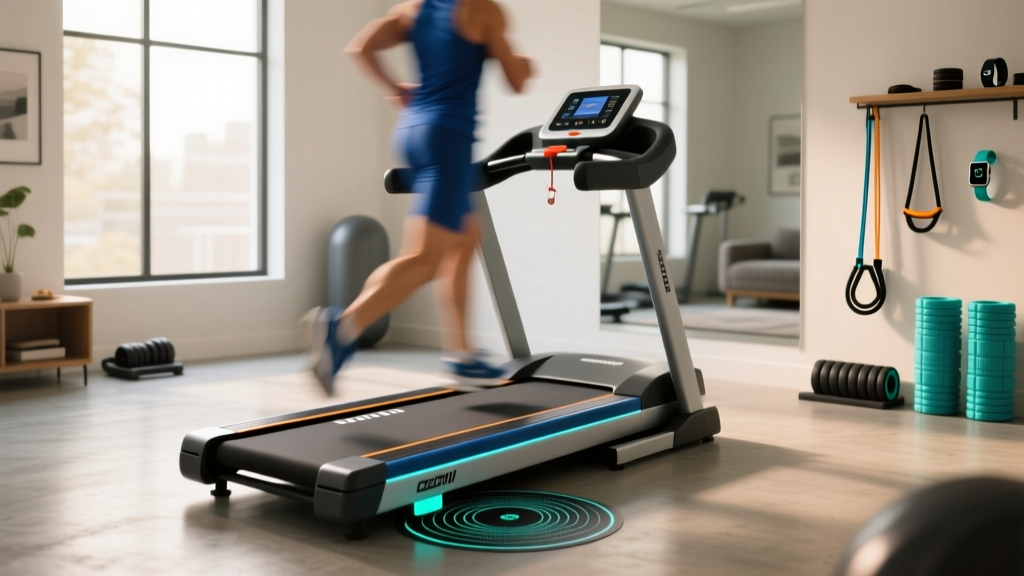
Force Plate Treadmill Installation & Noise Level Comparison Guide

Beyond Sole F65 Treadmill Reviews: Stair Climber Machine Home Guide
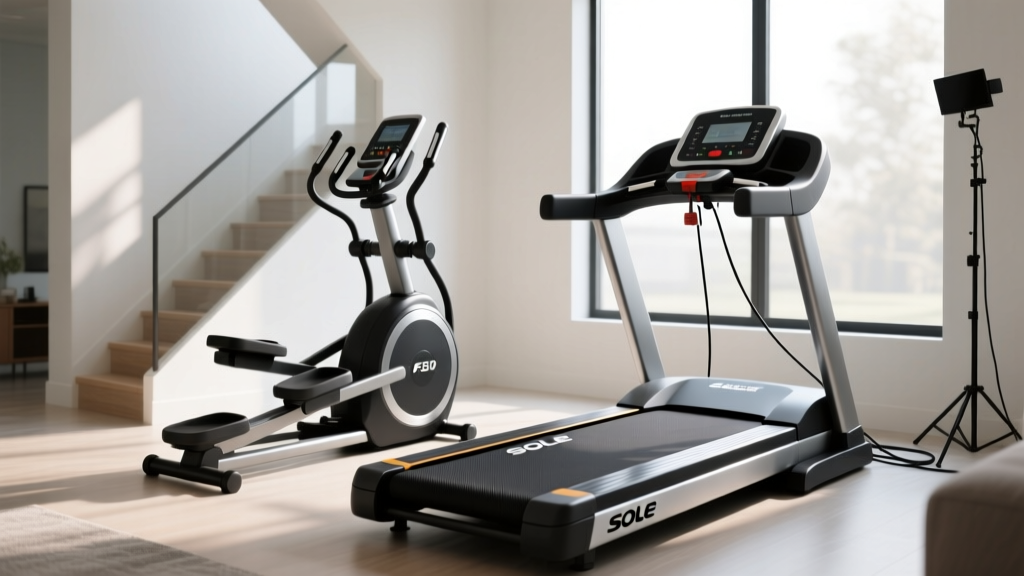
Home Stair Climber Setup vs Sole F80 Treadmill User Manual
