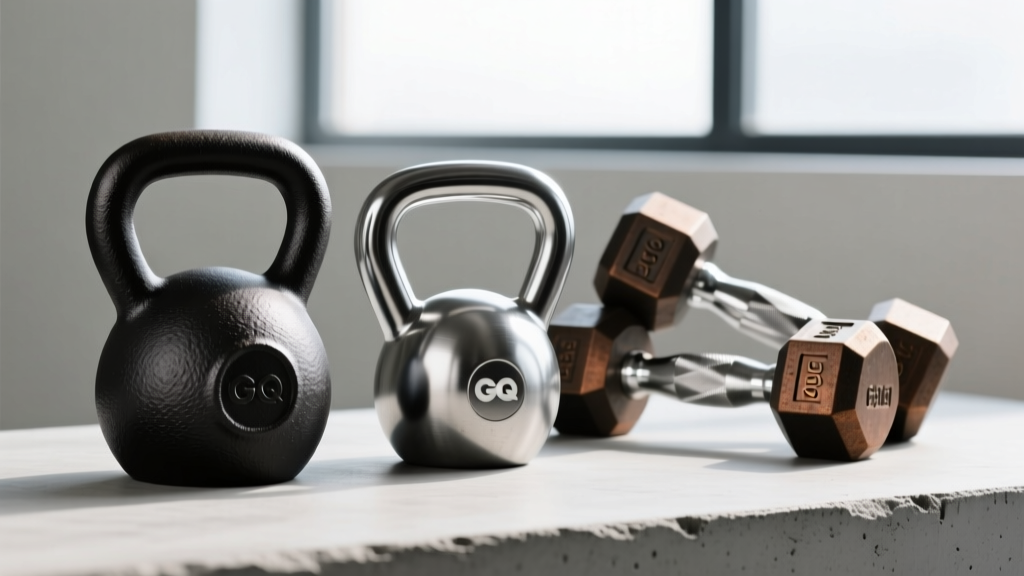
Supinated Dumbbell Bicep Curl: Rubber Hex vs Urethane 2026 Trends
Analyze 2026 market trends comparing urethane and rubber hex dumbbells, focusing on grip ergonomics and performance during the supinated dumbbell bicep curl.

The Biomechanical Intersection of Equipment and Isolation
As the fitness equipment market matures in 2026, procurement decisions for commercial facilities and serious home gyms are increasingly driven by biomechanical efficiency rather than just baseline durability. Nowhere is this shift more apparent than in the free weight aisle, specifically regarding the ongoing transition from traditional rubber hex dumbbells to premium urethane dumbbells. While compound movements like the dumbbell bench press can mask equipment flaws, isolation movements expose them. The supinated dumbbell bicep curl serves as the ultimate stress test for dumbbell ergonomics, handle geometry, and material balance.
During a supinated curl, the lifter initiates the movement with a neutral or pronated grip, actively rotating the wrist outward (supination) while flexing the elbow. This dual-action places immense demand on the biceps brachii, which serves as both a primary elbow flexor and the most powerful supinator of the forearm. However, the limiting factor in this movement is rarely the biceps itself; it is grip endurance and wrist stability. This reality makes the physical properties of your dumbbells a critical performance variable.
2026 Material Market Share: Rubber Hex vs. Urethane
Historically, rubber hex dumbbells captured the lion's share of the market due to aggressive pricing and floor-friendly profiles. However, 2026 market analysis indicates a massive pivot toward urethane in the commercial sector, driven by facility managers tired of replacing degraded rubber and dealing with volatile organic compound (VOC) off-gassing. Below is a comparative market snapshot of the two dominant materials.
| Feature | Rubber Hex Dumbbells | Urethane Dumbbells |
|---|---|---|
| Average 2026 Cost | $1.50 - $2.20 / lb | $2.80 - $4.50 / lb |
| Handle Diameter | 33mm - 35mm (Thick) | 30mm - 32mm (Contoured) |
| Knurling Quality | Shallow, often worn chrome | Deep volcano/mountain CNC |
| Odor Profile | High (Recycled rubber VOCs) | Zero (Odorless polyurethane) |
| Primary Market | Budget home gyms, apartments | Commercial gyms, premium home |
How Handle Ergonomics Dictate Supination Torque
Rubber hex dumbbells, long the staple of budget-friendly fitness centers, typically feature welded, thick steel handles. Models like the standard Cap Barbell Cast Iron Hex often utilize handles exceeding 34mm in diameter with notoriously shallow knurling. When performing the supinated dumbbell bicep curl, the lifter must exert massive crushing force to prevent the dumbbell from rolling in the hand as the wrist rotates against gravity. The thick diameter and lack of aggressive knurling force the brachioradialis and flexor carpi radialis to overwork. This leads to premature forearm pump, effectively robbing the biceps of targeted mechanical tension before muscular failure can be reached.
Expert Insight: The Grip-Torque Tradeoff
Biomechanical analyses show that maintaining strict wrist supination without grip slip maximizes electromyographic (EMG) activation of the short and long heads of the biceps. If your dumbbell handle forces you to dedicate 40% of your neurological output to simply holding onto the weight, your supination torque drops significantly, shifting the load to the brachialis and brachioradialis rather than the target biceps brachii.
Conversely, the premium urethane dumbbell market—dominated in 2026 by industry leaders like Rogue Fitness and Rep Fitness—has standardized around 30mm to 32mm contoured handles with deep knurling patterns. This ergonomic shift directly benefits isolation movements. The narrower shaft allows for a secure lock-in grip with less crushing force, while the aggressive knurling provides the necessary friction to maintain wrist alignment during the supination phase. The result is a purer isolation stimulus, allowing lifters to push closer to true bicep failure.
Procurement Framework: Commercial vs. Home Gym Economics
When analyzing market trends, the decision between rubber hex and urethane ultimately comes down to a cost-benefit analysis regarding longevity and user experience. While urethane requires a higher initial capital expenditure, the total cost of ownership over a 10-year lifecycle often favors urethane in high-traffic environments.
- The Budget Home Gym (Rubber Hex): If you are outfitting a garage gym with a strict budget of under $600 for a 5-50 lb set, virgin rubber hex dumbbells remain the most viable option. To mitigate the supination grip issue during bicep curls, lifters should utilize lifting straps or chalk to compensate for the shallow knurling.
- The Premium Home & Commercial Facility (Urethane): For facilities charging premium membership rates, or home gym owners prioritizing ergonomics and air quality, urethane is the undisputed 2026 standard. The lack of rubber odor and the superior handle geometry justify the $2.50+ per pound premium.
Material Degradation and Long-Term Failure Modes
Market shifts are also heavily influenced by how these materials age. Rubber hex dumbbells are highly susceptible to environmental factors. The recycled rubber used in budget models contains sulfur compounds that off-gas heavily in enclosed spaces. Furthermore, rubber is prone to ozone cracking and UV degradation. If your home gym is in a garage with fluctuating temperatures and sunlight exposure, the rubber heads will eventually dry rot, split at the seams, and leave black residue on your flooring.
Urethane, a highly resilient elastomer, is virtually impervious to UV light, ozone, and temperature fluctuations. The primary failure mode for urethane dumbbells is purely cosmetic: the painted or laser-engraved weight indicators on the heads may fade after years of heavy commercial abuse. However, the structural integrity of the urethane-to-steel head bond remains intact far longer than the glue and molding processes used in cheap rubber hex models. For the meticulous lifter tracking progressive overload on movements like the supinated dumbbell bicep curl, knowing your equipment won't degrade, shift in weight distribution, or develop sharp seam burrs is a vital component of long-term training consistency.
Final Verdict for the Isolation Purist
The 2026 fitness equipment market has made it clear: urethane is the future of professional and premium home training. While rubber hex dumbbells still hold a place in the entry-level market due to sheer affordability, their thick, poorly knurled handles act as a bottleneck for strict isolation work. If your training programming relies heavily on precise supination mechanics and strict bicep isolation, investing in a set of 30mm-handled urethane dumbbells will yield immediate, measurable improvements in your mind-muscle connection and overall torque output.
More gear to consider
All reviews
Power Rack vs Squat Stand: The Impossible Dumbbell Trap
Power Rack vs Squat Rack vs Stand for Dumbbell Step-Ups & Lifts

Bumper Plate vs Iron Plate Maintenance & Dumbbell Connector Care
Hex vs Urethane for the Dumbbell Rear Foot Elevated Split Squat

Single Arm Dumbbell Row Exercise Errors & Barbell Knurling Guide