
Stair Climber Home Guide: Setup, Use & How to Unfold a Treadmill
Master the stair climber machine for home use with our 2026 beginner guide. Includes step-by-step workouts, model comparisons, and how to unfold a treadmill.

The Ultimate Beginner's Guide to Stair Climber Machines for Home Use
Building a functional, space-efficient home gym requires strategic equipment choices and a clear understanding of spatial mechanics. The stair climber machine for home use remains one of the most highly recommended pieces of cardiovascular equipment for 2026, offering unparalleled glute activation, core stabilization, and high caloric expenditure. According to the American Heart Association, consistent moderate-to-vigorous aerobic activity is essential for long-term cardiovascular health, and stair climbing perfectly bridges the gap between cardio and lower-body resistance training.
However, integrating heavy cardio machines into a residential space requires more than just pressing 'start.' Whether you are setting up a revolving StepMill or managing a multi-machine garage gym, mastering spatial logistics—such as knowing exactly how to unfold a treadmill and secure a stepper—is critical for safety and equipment longevity. This beginner-friendly, step-by-step guide covers everything from model selection to daily maintenance.
Top 3 Home Stair Climbers in 2026: Specs & Pricing
The home fitness market has diversified significantly. You are no longer limited to commercial-grade revolving staircases; hydraulic mini-steppers and magnetic HIIT climbers now dominate the residential space. Below is a comparative breakdown of the top models for different budgets and spatial constraints.
| Model | Type | Footprint (L x W) | 2026 Price Range | Best For |
|---|---|---|---|---|
| Sunny Health SF-S902030 | Hydraulic Mini Stepper | 17" x 12" | $70 - $90 | Small apartments, beginners, budget-conscious users |
| Bowflex Max Trainer M9 | Magnetic HIIT Stepper | 46" x 36" | $2,299 | Tech-driven users, HIIT routines, joint-friendly cardio |
| StairMaster StepMill 7 | Revolving Staircase | 74" x 42" | $3,599 - $3,899 | Dedicated home gyms, advanced athletes, authentic climbing |
Step-by-Step: Assembling and Calibrating Your Stepper
Proper assembly prevents premature wear and ensures accurate biometric tracking. While a mini stepper requires minimal setup, magnetic and revolving units demand precision.
1. Unboxing and Base Stabilization
Always assemble the machine on a high-density EVA foam mat (at least 3/8-inch thick) to protect your flooring and dampen acoustic vibrations. For revolving models like the StepMill 7, use a carpenter's level across the side rails. Adjust the threaded leveling feet on the rear stabilizer until the bubble is perfectly centered. An unlevel chassis will cause uneven wear on the internal drive chain and optical sensors.
2. Console and Telemetry Pairing
Modern 2026 consoles rely on Bluetooth FTMS (Fitness Machine Service) protocols. Before your first workout, power on the console, navigate to the network settings, and connect to your home's 2.4GHz Wi-Fi band (5GHz bands often struggle to penetrate the motor housing). Sync your chest strap heart rate monitor via ANT+ rather than Bluetooth for zero-latency telemetry during high-intensity intervals.
Space Management: How to Unfold a Treadmill Safely
Many home gym owners pair their stair climber with a folding treadmill to maximize floor space. However, the hydraulic decks on folding treadmills are heavy and under immense tension. If you are wondering how to unfold a treadmill without damaging the hydraulic cylinder or injuring your lower back, you must follow a precise mechanical sequence. This process applies to popular folding models like the Sole F63, Horizon 7.0 AT, and NordicTrack T Series.
Safety Warning: Never attempt to lower a treadmill deck using only your back muscles. The deck of a standard folding treadmill weighs between 45 and 85 pounds, and the hydraulic gas spring exerts upward resistance. Always use your legs and core.- Clear the Drop Zone: Ensure a minimum clearance of 78 inches behind the machine and 36 inches on both sides. Remove any dumbbells, mats, or cords from the deployment path.
- Locate the Release Mechanism: Stand facing the side of the treadmill. Locate the hydraulic release latch. On most 2026 models, this is a yellow or red pull-pin or a squeeze-lever located on the left or right upright base, near the bottom hinge of the deck.
- Relieve Hydraulic Pressure: Place one hand on the top edge of the folded deck and lift it upward by about 1 to 2 inches. This crucial step removes the resting weight from the locking pin, allowing it to slide out smoothly without grinding against the metal housing.
- Disengage the Lock: While supporting the deck's weight, pull the release pin or squeeze the lever with your free hand. You will hear a distinct 'click' as the transport lock disengages from the catch bracket.
- Lower with Control: Keep your back straight, hinge at the hips, and bend your knees. Slowly lower the deck to the floor, letting the hydraulic cylinder control the descent rate. Do not let it slam down, as this can cause a 'hydraulic bleed' (loss of pressurized gas inside the shock), rendering the folding mechanism useless.
Your First 4 Weeks: Beginner Stair Climber Progression
The Mayo Clinic recommends gradually increasing aerobic intensity to allow tendons and ligaments to adapt to new load vectors. Stair climbing places significant eccentric and concentric demands on the patellar tendon and Achilles. Follow this 4-week progression to build capacity safely.
- Week 1 (Base Building): 10-15 minutes at a steady state. Target 50-60 Steps Per Minute (SPM). Focus on pressing through the mid-foot rather than the toes to maximize gluteus maximus engagement and reduce calf fatigue.
- Week 2 (Endurance Extension): 20 minutes continuous. Increase to 65 SPM. Keep your hands off the handrails; lightly resting your fingertips on the console for balance is acceptable, but leaning on the rails reduces caloric expenditure by up to 20% and compromises spinal alignment.
- Week 3 (Resistance Introduction): 20 minutes with variable resistance. Alternate 2 minutes at Level 3 resistance with 2 minutes at Level 6. This introduces muscular endurance challenges to the quadriceps.
- Week 4 (Intro to HIIT): 25 minutes total. 5-minute warm-up, followed by 5 rounds of [1 minute max effort (80+ SPM) / 2 minutes active recovery (40 SPM)]. Finish with a 5-minute cool-down.
'The most common beginner mistake on a stair climber is the 'heavy lean.' By draping your torso over the console, you shift the workload away from your lower body and place dangerous shear forces on your lumbar spine. Stand tall, engage your core, and let your legs do the work.' — Certified Strength and Conditioning Specialist (CSCS) Guidelines
Routine Maintenance & Troubleshooting
To ensure your equipment survives years of daily use, implement a strict maintenance schedule based on your machine type.
Hydraulic Mini Steppers
The pivot balls on hydraulic steppers require lubrication every 90 days. Apply two drops of 100% silicone-based lubricant to the pivot joints. Failure Mode: If you hear a sharp squeaking or notice the pedals sinking unevenly, the internal O-rings in the hydraulic cylinder have likely blown out due to lateral twisting. To prevent this, never step off the machine while it is in motion, and avoid side-to-side swaying.
Revolving StairMills
Revolving units rely on optical sensors to track step count and adjust the magnetic brake. Every 6 months, unplug the unit, remove the side shroud, and wipe the optical sensor lenses with a microfiber cloth and isopropyl alcohol. Dust accumulation will cause the console to display erratic SPM readings or trigger an automatic safety shutoff.
Treadmill Deck Care
If you are also maintaining a folding treadmill, remember that the folding hinge requires annual greasing with white lithium grease. Furthermore, check the belt tension every 300 miles. If the belt slips when you plant your foot, tighten the rear roller adjustment bolts exactly one-quarter turn clockwise on both sides to maintain perfect tracking.
Final Thoughts on Home Cardio Integration
Mastering the stair climber machine for home use is about more than just stepping; it is about understanding biomechanics, respecting equipment tolerances, and managing your spatial environment. Whether you are pushing through a grueling HIIT session on a Bowflex M9, maintaining a commercial-grade StepMill, or reviewing the safety protocols for how to unfold a treadmill to complete your home gym layout, precision and consistency are your greatest assets. For further reading on establishing safe home exercise environments, consult the American College of Sports Medicine (ACSM) guidelines for exercise testing and prescription. Stay consistent, prioritize form over speed, and enjoy the unparalleled cardiovascular benefits of vertical training.
More gear to consider
All reviews
Kelsey Kane Treadmill Review: 2026 Walking Pad Guide
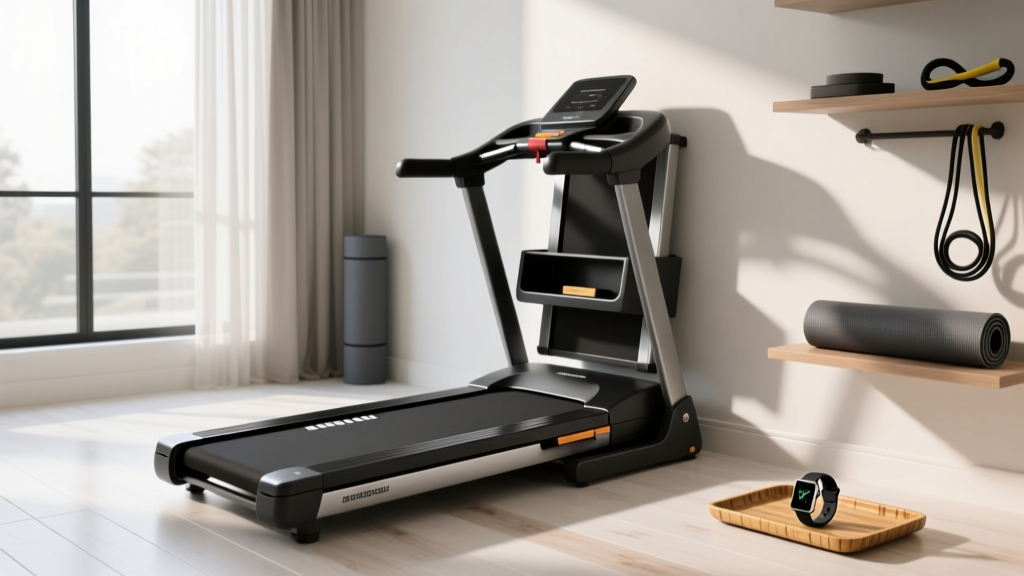
Compact Professional Treadmills: Small Space Folding Review 2026
Air Bike vs Assault Bike: The Climbing Machine vs Treadmill Shift
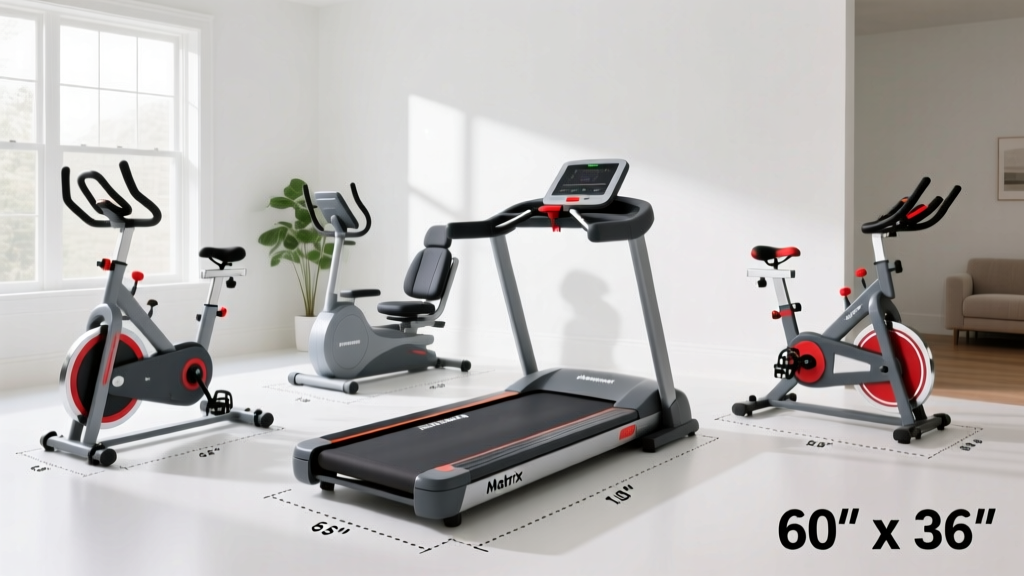
Space Planning: Bike Types vs the Matrix Treadmill Manual Footprint
Wahoo KICKR RUN Treadmill Fixes & Rowing Machine Guide
