Spin, Upright & Recumbent Bikes + True Treadmill Lubricant Guide
Compare upright, recumbent, and spin bikes with our expert 2026 picks. Plus, learn essential cardio fleet maintenance using true treadmill lubricant.

The Great Cardio Debate: Choosing Your Stationary Bike in 2026
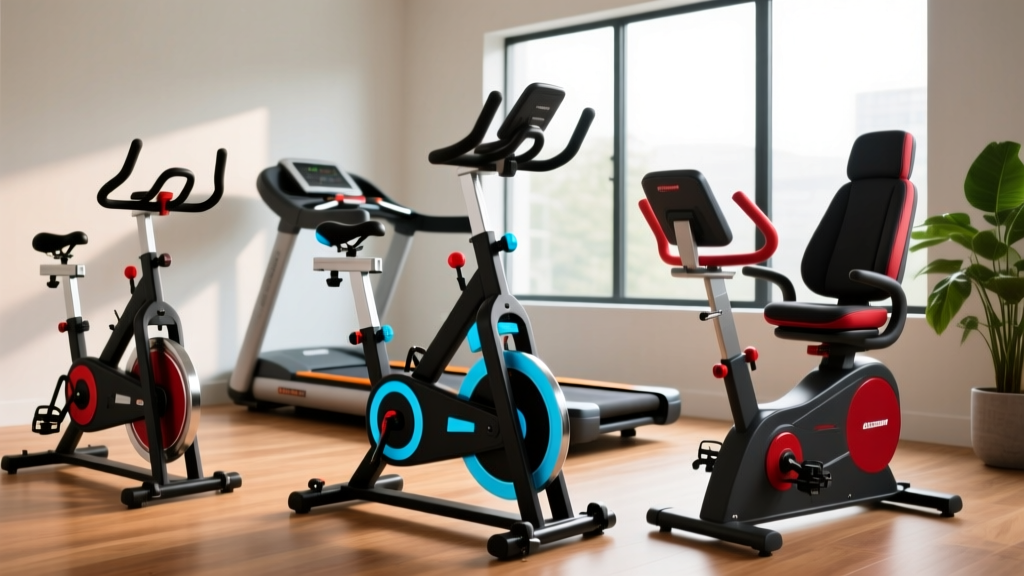
Building a comprehensive home gym requires more than just buying the first piece of equipment you see on sale. According to the Centers for Disease Control and Prevention (CDC), adults need at least 150 minutes of moderate-intensity aerobic activity weekly to maintain optimal cardiovascular health. When outfitting your space to hit these targets, stationary bikes remain a cornerstone of home fitness. However, the market is heavily segmented. Choosing between upright, recumbent, and spin (indoor cycle) bikes depends entirely on your biomechanics, fitness goals, and available floor space.
But your cardio fleet likely extends beyond just a bike. If you are investing in a multi-machine setup, maintaining your equipment is just as critical as choosing it. In this expert guide, we break down the distinct stationary bike types, provide our hands-on top picks for 2026, and detail the non-negotiable maintenance protocols for the rest of your gym—specifically focusing on how to properly apply a true treadmill lubricant to protect your walking belt investment.
Stationary Bike Types: Biomechanics and Use Cases
Upright Bikes: The Traditionalist’s Choice
Upright bikes mimic the geometry of a standard outdoor bicycle. The seat is positioned directly over the pedal crank, requiring the rider to support their upper body weight and engage their core. They are excellent for general cardiovascular conditioning and take up a relatively small footprint (usually around 4 feet by 2 feet). However, they can place undue stress on the lumbar spine and wrists for users with pre-existing back issues.
Recumbent Bikes: Ergonomic Comfort and Rehab
Recumbent bikes feature a bucket seat with a full backrest, positioning the pedals out in front of the rider rather than below them. This design drastically reduces shear force on the knees and eliminates lower back strain. The Mayo Clinic frequently highlights low-impact aerobic exercises like recumbent cycling for patients managing joint pain or undergoing cardiac rehabilitation. The trade-off is a larger footprint and a slightly lower ceiling for high-intensity interval training (HIIT) due to the inability to stand on the pedals.
Spin Bikes (Indoor Cycles): High-Intensity Performance
Spin bikes are built for performance, mimicking aggressive road-bike geometry with drop handlebars and a heavy flywheel (typically 30 to 50 lbs). They allow for out-of-the-saddle climbing, rapid cadence shifts, and high-resistance intervals. Serious cyclists and HIIT enthusiasts prefer spin bikes because they offer a realistic road feel and superior power transfer, though the aggressive forward lean requires adequate hamstring and lower back flexibility.
Quick Comparison Matrix: Which Bike Fits Your Profile?
| Feature | Upright Bike | Recumbent Bike | Spin Bike |
|---|---|---|---|
| Seat Position | Directly over pedals | Behind pedals, backrest | Aggressive, over pedals |
| Joint Impact | Low to Moderate | Very Low | Moderate to High |
| Core Engagement | Moderate | Minimal | High |
| Footprint | Compact (approx. 8 sq ft) | Large (approx. 12 sq ft) | Compact (approx. 8 sq ft) |
| Best For | General fitness, small spaces | Rehab, back pain, seniors | HIIT, cyclists, athletes |
Hands-On 2026 Top Picks for Every Rider
Best Upright: Sole Fitness B94 ($1,199)
The Sole B94 remains a dominant force in the upright category. It features a heavy 20-pound flywheel and a 400-pound weight capacity, ensuring zero frame wobble during high-cadence sprints. The 10-inch LCD display is straightforward, and the 2-degree inward pedal tilt (Sole’s 'Knee Shield' design) significantly reduces IT band friction during long endurance rides.
Best Recumbent: NordicTrack Commercial R30 ($2,299)
For users prioritizing comfort and interactive programming, the R30 is unmatched. It boasts a 26-pound inertia-enhanced flywheel and a step-through height of just 9 inches, making it highly accessible for users with limited mobility. The integrated 14-inch HD touchscreen pairs seamlessly with iFIT, automatically adjusting the 24 levels of magnetic resistance based on global studio routes.
Best Spin Bike: Keiser M3i ($2,295) & Schwinn IC4 ($899)
If budget allows, the Keiser M3i is the gold standard for spin bikes. Its V-shaped frame accommodates riders from 4'10' to 7'0', and it utilizes an ultra-light 8-pound flywheel paired with a high gear ratio to simulate road inertia flawlessly. It also broadcasts via Bluetooth FTMS protocol, making it compatible with Zwift and TrainerRoad. For a mid-range alternative, the Schwinn IC4 offers a 40-pound flywheel, 100 micro-levels of magnetic resistance, and dual-sided pedals (SPD clip-in and toe cages) at a highly accessible price point.
Fleet Maintenance: The Critical Role of True Treadmill Lubricant
While stationary bikes require minimal maintenance (mostly wiping down sweat and checking pedal crank torque), the rest of your cardio fleet demands rigorous upkeep. If your home gym includes a treadmill, belt friction is the number one cause of motor burnout and control board failure. According to the American Heart Association, consistent cardiovascular routines are key to heart health, but you cannot maintain your routine if your primary machine is sidelined by a seized motor.
To prevent this, you must use a true treadmill lubricant. Many consumers make the fatal mistake of reaching for household oils, WD-40, or generic silicone sprays. A true treadmill lubricant is specifically formulated as 100% pure, non-petroleum silicone liquid (typically with a viscosity of 1000 cSt). Petroleum distillates and aerosol propellants will chemically degrade the urethane deck, melt the cotton/poly backing of the walking belt, and ruin the machine's electronics.
WARNING: Never use aerosol silicone sprays. The propellants and added solvents will strip the belt and the overspray will coat your treadmill's motor control board, leading to catastrophic short circuits. Always use a squeeze-bottle liquid silicone.Step-by-Step: Applying True Treadmill Lubricant
Most manufacturers recommend applying 1 ounce of lubricant every 150 miles or every 3 months, whichever comes first. Here is the professional protocol for application:
- Power Down: Unplug the treadmill from the wall to eliminate any risk of electrical shock or accidental belt movement.
- Loosen the Belt: Use the included hex wrench to loosen the rear roller adjustment bolts by exactly 3 full turns on each side. This provides enough slack to lift the belt.
- Apply the Lubricant: Lift the edge of the walking belt and insert the nozzle of your true treadmill lubricant bottle. Squeeze exactly 0.5 ounces in a zig-zag pattern across the width of the deck. Repeat on the opposite side for the remaining 0.5 ounces.
- Retension and Spread: Tighten the rear roller bolts back to their original position. Plug the machine in, stand on the side rails, and start the belt at 3 MPH. Let it run for 5 minutes to evenly distribute the silicone across the deck.
- Wipe Excess: Use a microfiber cloth to wipe away any silicone that squeezes out from the edges of the belt to prevent slipping.
Expert Insight: 'If you notice a rhythmic thumping sound after lubricating, your belt may have shifted off-center during the retensioning process. Simply adjust the left or right rear bolt by a quarter-turn while the belt is running at 2 MPH until it tracks perfectly in the middle of the deck.' — FitGearPulse Maintenance Lab
Final Verdict: Building Your 2026 Home Cardio Setup
Selecting the right stationary bike is a highly personal decision dictated by your biomechanics and training style. Upright bikes like the Sole B94 offer a balanced, space-saving solution for general fitness. Recumbent models like the NordicTrack R30 provide essential ergonomic support for rehab and low-impact endurance. Meanwhile, spin bikes like the Keiser M3i deliver the high-intensity performance demanded by serious athletes.
However, a smart home gym owner knows that purchasing the equipment is only the first step. Protecting your investment requires a disciplined maintenance schedule. By understanding the distinct mechanical needs of your cardio fleet—and ensuring you always apply a true treadmill lubricant to your walking decks—you guarantee that your equipment will perform flawlessly for years to come, keeping your heart health and fitness goals firmly on track.
More gear to consider
All reviews
Skip "Free Treadmills Near Me": Under Desk Office Budget Breakdown

NordicTrack 1750 Treadmill Manual: Top Folding Picks for Small Spaces

NordicTrack Treadmill Incline Not Working & Small Space Reviews

Noise Comparison & Benefits of Walking on Treadmill for 30 Minutes

Air Bike vs Assault Bike Guide: Or Try a GoPlus Fitness Treadmill?
