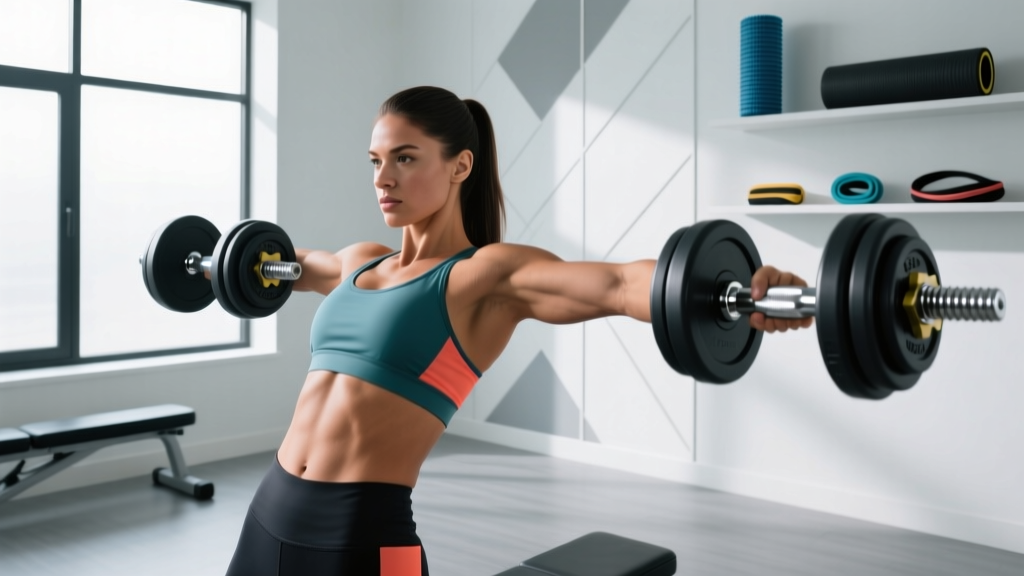
Single Arm Dumbbell Floor Press: Olympic vs Standard Plate Mistakes
Troubleshoot your single arm dumbbell floor press and avoid critical gym mistakes. Learn the real differences between Olympic and standard weight plates.

The Hidden Equipment Bottleneck in Your Floor Press
The single arm dumbbell floor press is a staple for building lockout strength, correcting muscular imbalances, and protecting vulnerable anterior deltoids. By eliminating the bottom half of the range of motion, you spare the shoulder joint while overloading the triceps and upper pectorals. However, as lifters progress in 2026, a massive troubleshooting blind spot emerges: equipment mismatch. Specifically, the confusion between Olympic and standard weight plates when using plate-loaded dumbbell handles. This guide breaks down the most common biomechanical errors in the single arm floor press and provides a definitive troubleshooting framework for the Olympic vs. standard plate dilemma that plagues home gyms.
Form Troubleshooting: Single Arm Dumbbell Floor Press Mistakes
Before addressing the iron, we must address the biomechanics. The single arm variation introduces a massive anti-rotational demand that bilateral presses do not. According to the ACE Fitness exercise library, maintaining thoracic stability during unilateral pressing is paramount for force transfer.
1. The 90-Degree Elbow Flare
The most frequent error is flaring the elbow out to 90 degrees relative to the torso. Even though the floor acts as a physical barrier preventing the elbow from traveling past the torso, a 90-degree flare still places the humerus in a vulnerable position for subacromial impingement. The Fix: Tuck your elbow to a 45-degree angle. This aligns the resistance vector with the natural orientation of the pectoral fibers and heavily recruits the triceps brachii for the lockout.
2. Ignoring Contralateral Leg Drive
Lifters often treat the floor press as an isolation movement, leaving their legs flat and relaxed. Because you are only pressing with one arm, your body will naturally want to twist. The Fix: Plant the foot on the same side as the pressing arm, and drive the opposite heel into the floor. This creates a cross-body tension sling, stabilizing the pelvis and preventing the non-working shoulder from peeling off the ground.
3. Weak Grip Irradiation
Failing to crush the dumbbell handle limits neurological recruitment in the forearm and triceps. You must grip the handle as hard as possible to trigger the principle of irradiation, which increases neural drive to the surrounding pressing muscles.
The Core Equipment Mistake: Olympic vs. Standard Weight Plates
The single arm floor press is a heavy, low-rep movement. Intermediate lifters routinely press 70 to 100+ pounds per arm for reps. This is where the home gym equipment mismatch becomes a critical failure point. Many lifters purchase cheap 1-inch standard plate-loaded dumbbell handles, only to realize they cannot physically load enough weight to stimulate muscle growth.
Understanding the dimensional and structural differences between standard and Olympic plates is non-negotiable for troubleshooting your setup. As detailed in BarBend's comprehensive guide on plate standards, the center hole diameter dictates your entire gym ecosystem.
WARNING: The Adapter Trap
Never use 1-inch to 2-inch sleeve adapters on standard dumbbell handles. While these adapters work on fixed barbells, placing them on a 14-inch standard dumbbell handle destroys the sleeve length. You will be left with barely an inch of usable sleeve, making it impossible to secure the spin-lock collar safely. A slipped collar during a heavy floor press means a 45-pound iron plate dropping directly onto your face or ribcage.
Dimensional & Load Tolerance Breakdown
| Feature | Standard (1-Inch) | Olympic (2-Inch) |
|---|---|---|
| Center Hole Diameter | 25mm (1 inch) | 50.4mm (2 inches) |
| Typical Handle Length | 14 inches | 20 to 24 inches |
| Max Safe Dumbbell Load | ~45-50 lbs | 120-160+ lbs |
| Calibration Tolerance | +/- 10% (cheap cast iron) | +/- 1% (calibrated steel/urethane) |
| Avg. Cost per lb (2026) | $1.20 - $1.50 | $3.00 - $5.50 (Urethane) |
Troubleshooting Plate-Loaded Dumbbell Handles
If your single arm floor press has stalled, your equipment might be the limiting factor. Let us troubleshoot the two most common handle types on the market.
The 14-Inch Standard Handle Failure Mode
Brands like CAP Barbell and Yes4All dominate the 1-inch standard market. A typical 14-inch handle features a 5-inch grip and two 4.5-inch sleeves. A standard 25-pound cast iron plate has a diameter of roughly 10 inches and a thickness of 1.5 inches. You can physically fit only one 25lb plate and one 10lb plate per side before the spin-lock collar lacks threading to secure the load. This caps your dumbbell at roughly 75 pounds, which is insufficient for advanced lifters focusing on tricep lockout strength.
The 20-Inch Olympic Handle Solution
Olympic dumbbell handles (such as the Titan Fitness 2-Inch Olympic Handle or Rogue Fitness Loadable Dumbbell) feature 2-inch sleeves that are 8 to 10 inches long. Because Olympic plates utilize a larger center hole, the weight is distributed further from the bar, but the thinner profile of calibrated steel or high-density urethane plates allows you to stack significantly more weight. You can easily load 100+ pounds per hand, making it the only viable option for progressive overload in the floor press.
Expert Insight: The calibration discrepancy in standard plates is a hidden progress killer. A cheap 1-inch standard 10lb plate often weighs closer to 8.5 lbs. When you think you are pressing 80 lbs per arm, you might only be moving 65 lbs. Upgrading to calibrated Olympic plates ensures your progressive overload data is accurate.
Step-by-Step Fix: Upgrading Your Home Gym Pressing Setup
If you have identified that your standard plates and handles are bottlenecking your single arm dumbbell floor press, follow this troubleshooting protocol to upgrade your setup in 2026:
- Audit Your Current Load: Weigh your standard plates on a digital bathroom scale. Note the discrepancy between the stamped weight and actual weight.
- Liquidate Standard Iron: Sell your 1-inch plates on local marketplace groups. Standard iron holds decent resale value for beginners.
- Invest in Olympic Handles: Purchase a pair of 20-inch Olympic loadable dumbbell handles. Ensure the grip shaft is at least 35mm in diameter with aggressive knurling to support heavy unilateral grip demands.
- Source High-Density Urethane Plates: To maximize sleeve space, buy urethane-coated Olympic plates. Urethane is denser than cast iron, meaning a 45lb urethane plate is significantly narrower than a 45lb cast iron plate, allowing you to fit more weight on the dumbbell sleeve.
- Recalibrate Your Progression: Because your new Olympic plates are accurate to within 1%, drop your working weight by 10% for the first two weeks to allow your central nervous system to adapt to the true load.
Frequently Asked Questions
Can I do the single arm floor press with adjustable dumbbells instead of plate-loaded handles?
Yes, high-end adjustable dumbbells like the Bowflex SelectTech 1090 or the Nuobell 80lb sets are excellent for the single arm floor press. They eliminate the need to buy separate Olympic plates and handles. However, their maximum weight (80-90 lbs) will eventually become a bottleneck for advanced lifters, at which point loadable Olympic handles become mandatory.
Why does my standard dumbbell handle spin during the floor press?
Standard handles rarely feature high-quality bushings or bearings. When you apply heavy asymmetrical torque during a single arm press, the sleeve can bind and twist, threatening the spin-lock collar. Olympic handles utilize bronze bushings or needle bearings that allow the sleeve to rotate independently of the grip, keeping the collar securely fastened during heavy reps.
Are bumper plates suitable for loadable dumbbell floor presses?
No. Bumper plates are designed to be dropped from overhead and have a massive 450mm (17.7-inch) diameter. If you load bumper plates onto a dumbbell handle for a floor press, the plate will hit the floor before your elbow does, completely eliminating the range of motion and rendering the exercise useless. Stick to standard diameter cast iron or urethane Olympic plates.
More gear to consider
All reviews
Kabata Smart Dumbbells & Bumper vs Iron Plate Guide
Beginner Guide to Amazon Basics Neoprene Dumbbells for Home Workouts

Barbell Collars: Safety Beyond the Chest Press Free Weight Machine

EZ Curl Bar vs Straight Bar Maintenance & 100lb Dumbbell Care

Cast Iron vs Competition Kettlebells & Single Hand Tricep Dumbbell