Rubber Hex vs Urethane: Care Tips for Your 5 Minute Dumbbell Workout
Discover essential maintenance tips for rubber hex and urethane dumbbells to ensure they survive your daily 5 minute dumbbell workout routines in 2026.

The Hidden Toll of the Daily 5 Minute Dumbbell Workout
Micro-workouts have completely redefined home fitness in 2026. The daily 5 minute dumbbell workout—often structured as an EMOM (Every Minute on the Minute), a quick Tabata finisher, or a high-density swing circuit—is a staple for busy professionals looking to maintain muscle mass and cardiovascular health. However, this high-frequency training methodology introduces a unique wear-and-tear profile on your equipment.
When you handle the same pair of dumbbells 365 days a year, the cumulative exposure to acidic sweat, skin oils, and micro-drops accelerates material degradation. If you are building a home gym and deciding between the two most popular coated options—rubber hex and urethane—understanding their distinct maintenance needs is critical. In this guide, we break down the material science, real-world failure modes, and exact maintenance protocols to maximize the lifespan of your free weights.
Material Breakdown: Vulcanized Rubber vs. Polyurethane Elastomer
To properly maintain your equipment, you must first understand what it is made of. The chemical composition of the dumbbell head dictates how it reacts to environmental stressors and human contact.
Rubber Hex Dumbbells
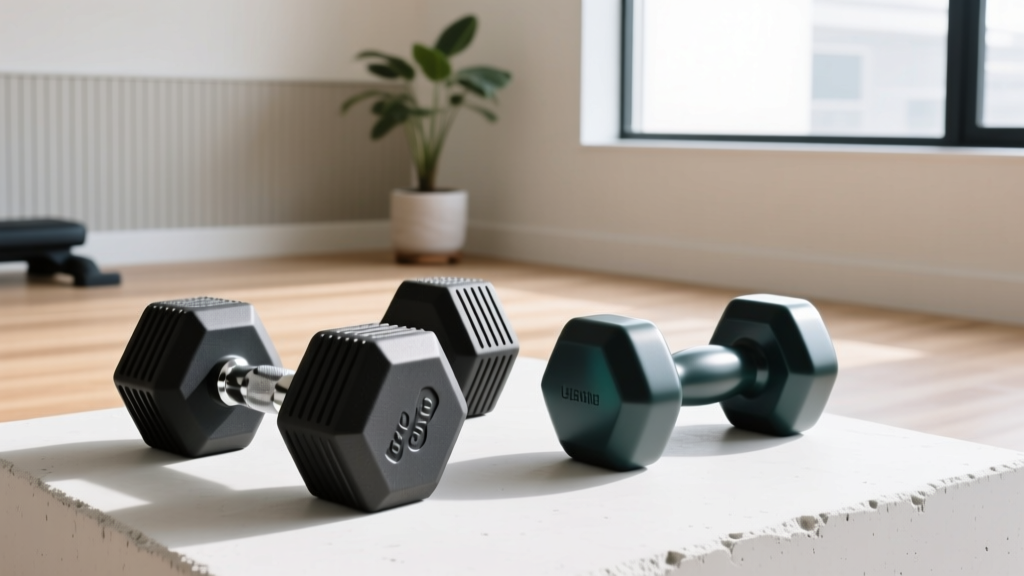
Most budget-friendly rubber hex dumbbells (such as the popular lines from CAP Barbell) are manufactured using a mix of virgin and recycled vulcanized rubber molded over a steel core. While the hexagonal shape prevents rolling, the rubber compound is inherently porous. Over time, exposure to UV light and ozone causes the polymer chains to break down, leading to 'dry rot' and a chalky residue on your hands.
Urethane Dumbbells
Urethane (specifically thermoset polyurethane) is a premium elastomer used in high-end commercial and home gym equipment, like the Rogue Urethane Dumbbells. Polyurethane is virtually immune to UV degradation, ozone cracking, and moisture absorption. It is denser than rubber, meaning the physical footprint of the dumbbell is smaller, but it requires a completely different approach to cosmetic maintenance.
Material Science Insight: According to polymer industry standards, polyurethane elastomers offer up to 10 times the abrasion resistance of natural or synthetic rubber. However, urethane is highly susceptible to cosmetic scuffing and staining from dyes, which requires specific cleaning agents to avoid permanent discoloration.
Real-World Failure Modes in High-Frequency Use
When executing a fast-paced 5 minute dumbbell workout, form often breaks down in the final 60 seconds. This leads to dropped weights, clanking handles, and excessive sweat transfer. Here is how each material fails under these specific conditions.
Common Rubber Hex Failure: Core SeparationIf you routinely drop rubber hex dumbbells onto hard surfaces (like concrete or thin tiles), the shockwave travels through the rigid rubber and breaks the adhesive bond with the inner steel core. You will know this has happened when the dumbbell head begins to 'rattle' or wobble during overhead presses. Once the seal is broken, sweat seeps into the core, causing internal rust that eventually expands and splits the rubber casing.
The Urethane Edge: Impact Absorption
Urethane acts as a superior shock absorber. While dropping a 50 lb urethane dumbbell on a horse-stall mat will leave a temporary scuff mark, the structural integrity of the bond to the steel core remains intact. The primary failure mode for urethane in a home gym is purely cosmetic: transferring ink from gym mats or picking up dark scuff marks that make the equipment look neglected.
Handle Knurling and Chrome Sleeve Care
A dumbbell is only as good as its handle. During a high-intensity 5 minute dumbbell workout, your grip is the first point of failure. Most rubber hex dumbbells feature standard chrome-plated steel handles with medium knurling, while premium urethane dumbbells often feature bare steel, Cerakote, or hard-chrome finishes.
- Chrome Handles: Sweat has a pH level between 4.5 and 7.0. If left un-wiped, the mild acidity will pit and rust standard chrome within 48 hours. Use a nylon brush and a light coating of 3-IN-ONE oil once a month to protect the knurling valleys.
- Bare Steel / Cerakote: Bare steel provides the best grip but requires weekly brushing to remove dead skin and chalk. Cerakote (a ceramic-polymer coating) is highly resistant to sweat and corrosion, requiring only a simple damp wipe-down.
The 60-Second Post-Workout Maintenance Protocol
You do not need to spend hours cleaning your gear. Implementing this 60-second protocol immediately after your 5 minute dumbbell workout will add years to the life of your equipment.
- The Neutral Wipe (15 Seconds): Use a microfiber cloth dampened with a 1:10 dilution of Simple Green and water. Never use bleach, ammonia, or alcohol-based sanitizers. These harsh chemicals strip the vulcanized oils from rubber hex dumbbells, accelerating dry-rot.
- Knurling Brush (30 Seconds): Use a stiff nylon brush (never brass or steel, which will strip chrome) to dislodge dead skin cells, chalk, and lint from the handle knurling. Clogged knurling leads to grip slippage during heavy lifts.
- The Drying Phase (15 Seconds): Wipe the handles and heads completely dry with a second, clean microfiber cloth. Moisture trapped between the dumbbell head and the rack shelf is the primary catalyst for handle oxidation.
Head-to-Head Longevity Matrix
When budgeting for your home gym in 2026, it is vital to look beyond the initial purchase price and consider the total cost of ownership, replacement frequency, and maintenance overhead. The American Council on Exercise (ACE) frequently highlights the importance of equipment safety and structural integrity in home environments, making material longevity a key safety factor.
| Feature | Rubber Hex (e.g., CAP Barbell) | Urethane (e.g., Rogue Fitness) |
|---|---|---|
| Average Cost (2026) | $1.50 - $2.00 / lb | $3.50 - $4.50 / lb |
| UV & Ozone Resistance | Low (Prone to dry rot in sunlit rooms) | High (Virtually immune to UV degradation) |
| Drop Tolerance | Moderate (Hex edges chip; core separates) | High (Absorbs impact; maintains core bond) |
| Odor & Off-Gassing | High (Recycled rubber VOCs) | None (Fully cured, odorless PU) |
| Maintenance Routine | Weekly deep clean; monthly rubber conditioner | Daily quick wipe; occasional scuff removal |
| Expected Lifespan | 3 - 5 Years (Heavy daily use) | 15+ Years (Heavy daily use) |
Environmental Storage: Defeating the Garage Gym Enemies
Where you store your dumbbells between your daily 5 minute workouts is just as important as how you clean them. Garage gyms and basement setups present severe environmental threats to free weights.
1. The Moisture Wicking Effect
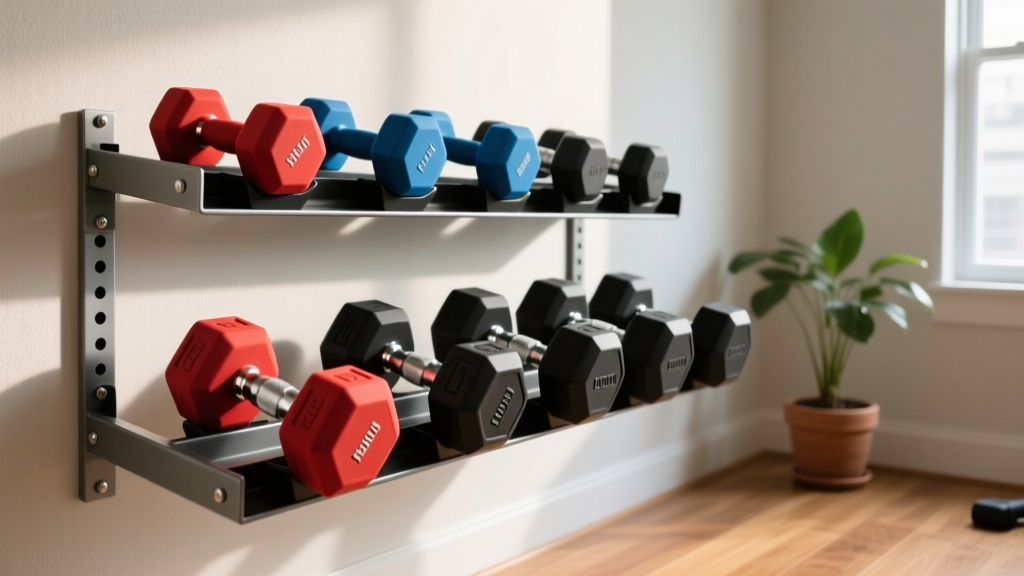
Never store rubber hex dumbbells directly on a concrete floor. Concrete is highly porous and constantly wicks moisture from the soil beneath your foundation. When rubber sits directly on concrete, it traps this moisture against the steel core, leading to catastrophic internal rusting. Always use a dedicated steel or wood dumbbell rack, or at minimum, place them on a thick EVA foam or horse-stall mat.
2. Temperature Fluctuations
Urethane is highly stable across extreme temperature ranges (-40°F to 180°F). Rubber, however, becomes brittle in freezing temperatures and overly soft in extreme heat. If your garage gym drops below freezing in the winter, dropping a cold rubber hex dumbbell will result in immediate shattering of the hex edges. Allow rubber dumbbells to acclimate to room temperature before subjecting them to high-impact drops.
Final Verdict: Which Survives Your Routine?
If your fitness regimen relies on a daily 5 minute dumbbell workout involving high-rep swings, snatches, or drop-sets, the equipment you choose must withstand relentless abuse.
Rubber Hex Dumbbells remain the undisputed champion of budget-friendly home gyms. However, they demand strict adherence to the cleaning protocols outlined above. You must protect them from UV light, avoid harsh chemical cleaners, and accept that the edges will eventually chip and the rubber will degrade over a 3 to 5-year period of daily use.
Urethane Dumbbells are a 'buy once, cry once' investment. The upfront cost is more than double that of rubber, but the material's resistance to sweat, UV light, and impact makes it virtually indestructible in a residential setting. For the dedicated athlete who views their home gym as a lifetime investment, urethane requires far less active maintenance while delivering a superior, odor-free training experience for decades.
More gear to consider
All reviews
Arm Exercise with Dumbbells: Loadable Plate Value Guide

Olympic Barbell Knurling & Weight Guide: Rear Dumbbell Fly Pairings

Master Dumbbell Wood Chops at Home with Neoprene Weights

EZ Bar vs Straight Bar: Budget & Good Chest Exercises with Dumbbells

Best Neoprene Coated & Neutral Grip Dumbbell Guide 2026