
Kettlebell Longevity: Cast Iron vs Competition Care & What Muscle Do Dumbbell Rows Work
Master cast iron vs competition kettlebell maintenance for maximum longevity. Plus, discover how handle care impacts pulling mechanics and back workouts.

The Investment of Iron and Steel: Why Kettlebell Maintenance Matters in 2026
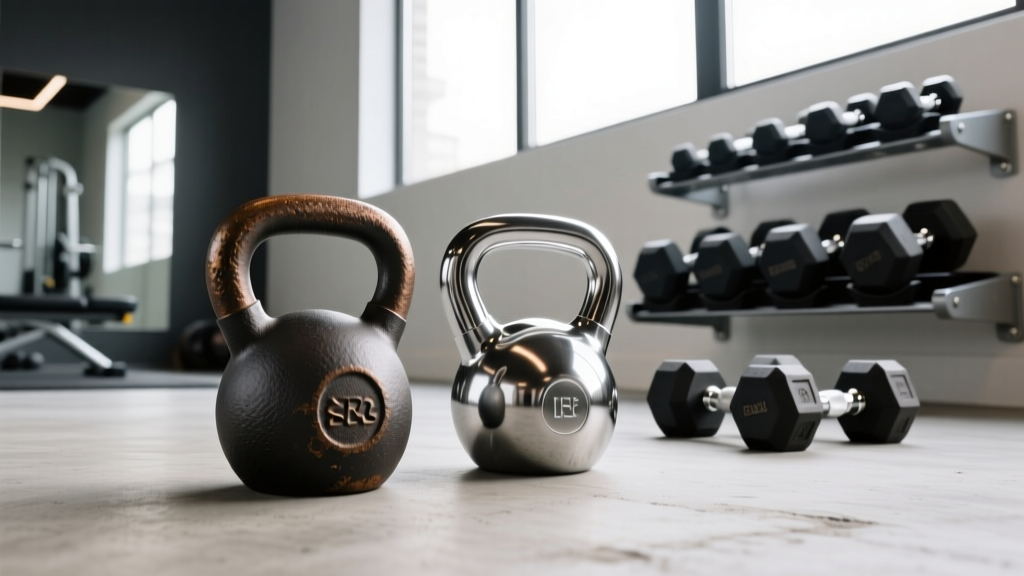
Walking into a modern home gym or a specialized functional fitness box in 2026, you are likely to encounter two distinct silhouettes of kettlebells: the classic, thick-handled cast iron bell and the uniform, windowed silhouette of the competition kettlebell. While both tools are phenomenal for building ballistic power and grinding strength, they are constructed from entirely different materials and demand vastly different maintenance protocols to ensure a lifetime of use.
At FitGearPulse, we evaluate free weights not just on their initial out-of-the-box performance, but on their decade-long longevity. A neglected cast iron bell will succumb to oxidation, while a poorly treated competition bell will suffer from cracked steel shells and degraded handles. This guide breaks down the exact maintenance routines for both styles, explores the biomechanics of their handles during pulling movements, and helps you decide which style aligns with your willingness to perform routine upkeep.
Handle Biomechanics: Grip, Knurling, and Pulling Movements
Before diving into rust prevention and paint care, we must address how the physical dimensions of these bells affect your training—specifically during high-volume pulling exercises. When programming posterior chain and back days, a common question from newer lifters is: what muscle do dumbbell rows work? According to exercise anatomy databases like ExRx, the primary targets are the latissimus dorsi, rhomboids, middle trapezius, and posterior deltoids.
You can replicate this exact stimulus with a heavy kettlebell row. However, the handle geometry of your bell will dictate your grip endurance and forearm fatigue long before your lats reach true muscular failure.
The 33mm Standard vs. Variable Cast Iron
Competition Kettlebells: Governed by international sport standards, competition bells feature a strict 33mm handle diameter regardless of whether the bell weighs 8kg or 32kg. This uniformity means your grip mechanics and wrist positioning remain identical as you scale up in weight, making them superior for high-rep snatch and clean cycles.
Cast Iron Kettlebells: The handle diameter scales with the bell's mass. A 12kg cast iron bell might feature a narrow 30mm handle, while a 32kg behemoth could sport a 35mm+ handle. This variable thickness forces your grip to adapt, which is excellent for raw grip strength but can cause premature forearm burnout during heavy, high-rep kettlebell rows targeting the back muscles.
Cast Iron Kettlebell Maintenance: Fighting the Rust
Cast iron is essentially iron with a carbon content of 2% to 3.5%. It is incredibly durable but highly susceptible to oxidation (rust) when exposed to moisture and oxygen. In 2026, most premium cast iron bells (like those from Rogue Fitness or Kettlebell Kings) are finished with either a powder coat or an e-coat (electrophoretic deposition).
Routine Care for Powder Coat and E-Coat Bells
- Chalk Removal (Weekly): Gym chalk (magnesium carbonate) is hygroscopic—it absorbs moisture from the air. If left packed in the knurling or the horns of your kettlebell, it will trap moisture against the iron, eventually breaching the coating and causing sub-surface rust. Use a stiff nylon brush and a damp microfiber cloth to scrub the handle weekly.
- Coating Inspection (Monthly): E-coating is incredibly thin and preserves the raw feel of the iron, but it can wear down to bare metal on the high-friction points of the handle. If you spot shiny, bare metal, it is time to apply a protectant.
- Oiling (As Needed): For bare spots or uncoated vintage bells, apply a light coat of 3-IN-ONE Multi-Purpose Oil or food-grade mineral oil. Never use WD-40 as a leave-on protectant. WD-40 is a solvent and water displacer; it evaporates quickly, attracts dust, and leaves the iron vulnerable.
Restoring a Severely Rusted Cast Iron Bell
If you inherit a neglected, rusted cast iron bell, do not reach for a steel wire brush, which will gouge the softer iron. Instead, use a brass wire brush attached to a rotary tool, followed by a 24-hour soak in a 50/50 white vinegar and water solution to dissolve deep oxidation. Neutralize the acid with a baking soda bath, dry immediately with a heat gun, and seal with a high-heat enamel spray or cold bluing solution.
Competition Kettlebell Care: Preserving the Steel Shell
Competition kettlebells are constructed from hollow steel shells. To achieve precise weights (e.g., exactly 16.00kg), manufacturers fill the hollow cavity with steel shot, sand, or specialized paint, then seal it with a welded steel plug on the flat base. While steel is less prone to the aggressive, flaking rust seen in cast iron, competition bells have unique structural vulnerabilities.
The Danger of the Drop
The most common failure mode for competition bells is base deformation. Because they are hollow, dropping a 24kg or 32kg competition bell onto a concrete garage floor from overhead can dent the steel base or crack the welds. Once the base is no longer perfectly flat, the bell becomes a hazard for renegade rows, push-ups, and any exercise requiring a stable floor footprint.
"Competition kettlebells are precision instruments designed for the platform and the rack, not for abusive drops. Treat the flat base with the same respect you would give to a calibrated Olympic bumper plate." — Guidelines adapted from StrongFirst kettlebell handling standards.
Managing Handle Slickness and Paint Chips
- Handle Slickness: Competition handles are typically powder-coated but lack aggressive knurling. Over time, the oils from your hands will polish the coating, making it dangerously slick for one-arm snatches. To restore grip, lightly scuff the handle with a green Scotch-Brite pad (never sandpaper, which will strip the coating to bare steel). This restores the microscopic texture needed for chalk adherence.
- Body Paint Chips: The color-coded bodies of competition bells (Yellow for 16kg, Green for 24kg, Red for 32kg) are painted over steel. Chips here are purely cosmetic and will not rust aggressively like cast iron. A simple dab of color-matched automotive touch-up paint will seal the scratch and keep your gym looking professional.
Comparison Matrix: Lifespan, Upkeep, and Use Cases
Choosing between cast iron and competition isn't just about maintenance; it's about matching the tool to your training environment and goals. Below is our 2026 buyer's matrix based on long-term durability testing.
| Feature | Premium Cast Iron (e.g., Rogue, KB Kings) | Competition Steel (e.g., Kettlebell Kings, Onnit) |
|---|---|---|
| Average Cost (per lb) | $1.50 - $2.20 | $2.80 - $3.50 |
| Handle Diameter | Variable (30mm - 36mm+) | Uniform 33mm |
| Primary Maintenance | Rust prevention, chalk removal, oiling | Base protection, handle scuffing, paint touch-ups |
| Drop Tolerance | High (Solid iron, can crack concrete) | Low (Hollow steel, prone to base denting) |
| Best For | Grinders, heavy rows, outdoor gyms, budget buyers | Sport athletes, high-rep ballistics, technique consistency |
Expert Troubleshooting: Real-World Edge Cases
Even with meticulous care, free weights endure abuse. Here is how to handle two common edge cases we see in home gyms:
Edge Case 1: The "Squeaky" Competition Bell
If you hear a rattling or squeaking sound inside your competition kettlebell during swings, the internal filler material has shifted, or the welded base plug has micro-fractured. Do not attempt to drill into the base to inject adhesive. This compromises the structural integrity and alters the calibrated weight. If the bell is under warranty, contact the manufacturer immediately. If out of warranty, retire it from ballistic movements (snatches, cleans) and restrict it to slow grinds like Turkish Get-Ups or floor presses where internal shifting won't cause a dangerous momentum shift.
Edge Case 2: Cast Iron Horn Pitting
Deep pitting on the horns (the sides of the handle) of a cast iron bell occurs when sweat and chalk create a corrosive paste that sits for months. If your thumbs are getting torn during cleans due to rough pits, use a Dremel tool with a fine-grit sanding drum to gently smooth the horns. Follow up with a cold bluing treatment to seal the exposed metal. For comprehensive gear specifications and handling standards, always refer to trusted manufacturers like Rogue Fitness.
Final Verdict: Match the Maintenance to Your Lifestyle
If you train in a humid garage, frequently drop your weights, and want a "buy it for life" tool with minimal fuss, powder-coated cast iron is your undisputed champion. It forgives abuse and, with a quick brushing and occasional oiling, will outlive you.
However, if you are dedicated to kettlebell sport, prioritize the biomechanical consistency of a 33mm handle for your high-volume pulling and ballistic work, and train on rubber mats, competition bells are worth the premium price and the careful handling. By understanding the unique material science of your equipment, you ensure that whether you are executing a heavy kettlebell row to target the lats or a 10-minute snatch test, your gear will never be the weak link in your training.
More gear to consider
All reviews
Barbell Collar Setup & The Dumbbell Squat Front Raise Station

Barbell Knurling & Front Lateral Raises with Dumbbells Fixes

Bumper vs Iron Plates & Biceps Workout with Dumbbells Chart

Neoprene Dumbbells for Home Use: Matching Your Average Dumbbell Curl Weight
Cast Iron vs Competition Kettlebells: Dumbbell Squat to Shoulder Press
