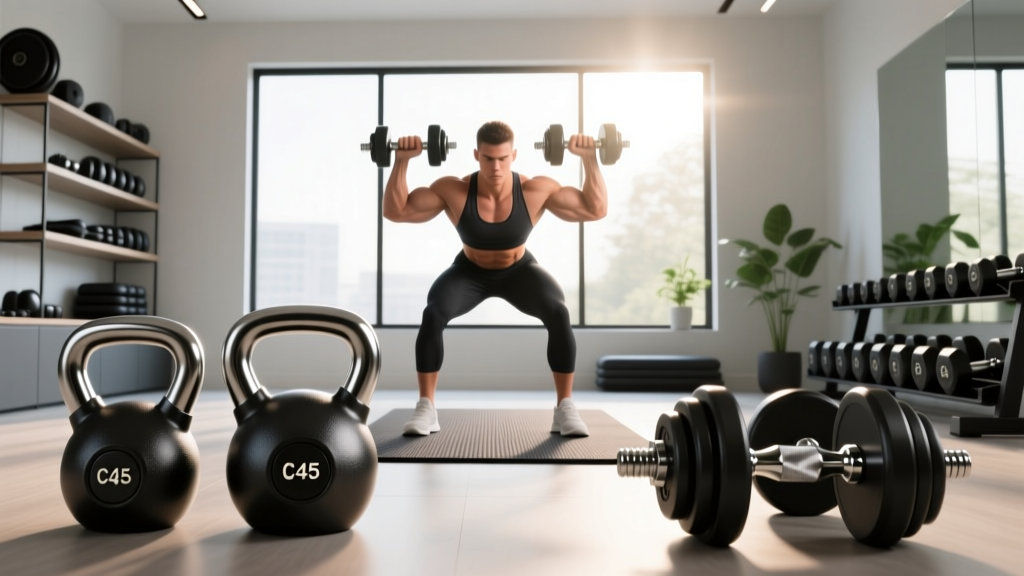
Rubber Hex vs Urethane: Best for Brachioradialis Dumbbell Exercises
Compare rubber hex vs urethane dumbbells for brachioradialis dumbbell exercises. We break down 2026 pricing, grip ergonomics, and long-term value.

The Biomechanical Demand of Brachioradialis Dumbbell Exercises
When building a complete arm day, most lifters obsess over biceps peaks and triceps horseshoes, often neglecting the brachioradialis. This crucial forearm muscle, located on the lateral side of the forearm, is responsible for elbow flexion, particularly when the wrist is pronated or in a neutral position. According to the ExRx forearm exercise directory, targeting this muscle requires specific movements like reverse curls, hammer curls, and Zottman curls.
However, programming brachioradialis dumbbell exercises introduces a unique equipment challenge: grip fatigue. Because these movements place the wrist in mechanically disadvantaged positions, your grip will often fail before the brachioradialis reaches true muscular failure. This is where the physical design, material, and handle ergonomics of your dumbbells become critical. In this 2026 value analysis, we break down the two most common commercial and home gym options—rubber hex and urethane dumbbells—to determine which offers the best long-term return on investment for serious forearm hypertrophy.
Material Science: Virgin Rubber vs. Polyurethane
To understand the value proposition, we must first look at the chemical makeup of the dumbbell heads. The material dictates not just the smell and aesthetics of your gym, but how the weight behaves during high-torque movements like cross-body hammer curls.
Virgin and Recycled Rubber Hex
Rubber hex dumbbells are typically made from a blend of styrene-butadiene rubber (SBR) and natural rubber, often encasing a cast iron or steel core. They are the undisputed kings of budget fitness. However, rubber is porous. Over time, it absorbs sweat, humidity, and chalk, which can lead to a degraded grip surface and a persistent, sour odor. Furthermore, cheaper recycled rubber variants off-gas volatile organic compounds (VOCs), creating that infamous 'new tire' smell that can linger in poorly ventilated home gyms for months.
Polyurethane (Urethane)
Urethane is a high-density synthetic polymer. It is non-porous, completely odorless, and highly resistant to UV degradation and chemical breakdown from sweat salts. When you are performing heavy Zottman curls, where the dumbbell head might rest against your leg or torso, urethane will not leave black scuff marks on your skin or clothing. According to research discussed by the Stronger By Science team on equipment longevity, polyurethane's tensile strength far exceeds that of standard rubber, making it the standard for high-traffic commercial facilities.
2026 Budget Breakdown: Cost-Per-Pound Value Matrix
When evaluating gym equipment, the initial price tag is only half the story. We must analyze the cost-per-pound and factor in the lifespan of the equipment. Below is a snapshot of the 2026 market rates for premium and budget options.
| Brand / Model Line | Material | Avg. Price Per Pound | Odor Profile | Expected Lifespan |
|---|---|---|---|---|
| CAP Barbell Hex | Virgin Rubber | $1.50 - $1.80 | Moderate to High | 3 - 5 Years |
| Titan Fitness Hex | Recycled Rubber | $1.79 | High (VOCs) | 2 - 4 Years |
| Rep Fitness Hex | Urethane | $2.89 - $3.20 | None | 10+ Years |
| Rogue Fitness | Urethane | $4.25 - $5.00+ | None | Lifetime |
The Hidden Costs of 'Cheap' Rubber
While saving $1.50 per pound on rubber hex dumbbells seems like a victory for your wallet, consider the replacement cycle. Rubber hex corners are notorious for chipping and tearing when dropped on hard surfaces. Once the rubber tears, the cast iron core is exposed to oxygen, leading to rust. Rusty dumbbell heads degrade the aesthetic of your gym and can stain your flooring. Over a 10-year period, a budget buyer will likely replace their rubber hex set twice, effectively nullifying the initial savings compared to a one-time urethane purchase.
Handle Ergonomics and Grip Fatigue
The most critical point of failure during brachioradialis dumbbell exercises is the handle. The National Strength and Conditioning Association (NSCA) frequently highlights the importance of grip strength in overall force production. If your hands are slipping, your nervous system will inhibit muscle contraction in the forearm and biceps to protect the joints.
Expert Insight: Handle Diameter MattersStandard dumbbell handles are 32mm to 35mm in diameter. For dedicated brachioradialis work, some lifters prefer a slightly thicker 38mm handle (often found on premium urethane models like Rogue or Eleiko) to increase forearm activation. However, if your grip is already the limiting factor on reverse curls, stick to a standard 32mm knurled handle with a medium-depth diamond pattern to ensure the brachioradialis reaches failure before the flexor digitorum muscles give out.
Budget rubber hex dumbbells often feature shallow, inconsistent knurling or, worse, a chrome-plated handle that becomes dangerously slick when mixed with sweat. Premium urethane dumbbells are almost universally paired with high-quality, hard-chrome or stainless steel handles featuring deep, aggressive knurling that bites into the calluses, securing the weight during heavy eccentric phases of hammer curls.
Real-World Failure Modes: What Happens When You Drop Them?
Forearm training can be grueling, and grip slips happen. How a dumbbell survives an accidental drop from waist height onto a rubber mat or concrete floor is a primary indicator of its true value.
- Rubber Hex Failure Mode: The sharp 90-degree corners of the hex shape absorb the brunt of the impact. Over time, the rubber chunks away, leaving jagged edges. Worse, the bond between the rubber and the steel core can separate, causing the head to rattle or spin independently of the handle—a massive hazard during controlled eccentric movements.
- Urethane Failure Mode: Urethane has a higher Shore hardness and superior shock absorption properties. When dropped, it tends to scuff or bounce rather than chunk. The structural bond to the steel core is typically forged or secured with industrial adhesives that withstand high-impact shocks without separating.
The Final Verdict for Arm Day
If your goal is strictly to perform brachioradialis dumbbell exercises with maximum efficiency and safety, the equipment you choose directly impacts your workout quality. Grip security, handle knurling, and the physical integrity of the dumbbell head are non-negotiable for heavy reverse and Zottman curls.
The Budget Pick: If you are outfitting a garage gym on a strict budget and can tolerate the initial off-gassing, the Titan Fitness Rubber Hex set offers adequate knurling and a low barrier to entry. Just be prepared to replace them if the corners begin to degrade after a few years of heavy drops.
The Value Champion: For the vast majority of serious lifters, the Rep Fitness Urethane Hex dumbbells represent the ultimate sweet spot in 2026. At roughly $2.89 per pound, they are significantly cheaper than Rogue, yet they offer the same odorless, high-durability polyurethane heads and excellent stainless-steel knurled handles. The upfront cost is higher, but the cost-per-year of use drops to pennies, making it the undisputed winner for long-term forearm and grip training.
More gear to consider
All reviews
Loadable Dumbbells: Space Layouts & Single Arm Dumbbell Upright Row
Best Adjustable Dumbbells for Boxing Exercises (2026)

EZ Curl Bar vs Straight Bar: Budget & Face Pull Dumbbell Tips

Dumbbell Manmaker Trends: 2026 Rack & Storage Market Analysis

Top Dumbbell Racks for Your Curl Dumbbell Set (2026)