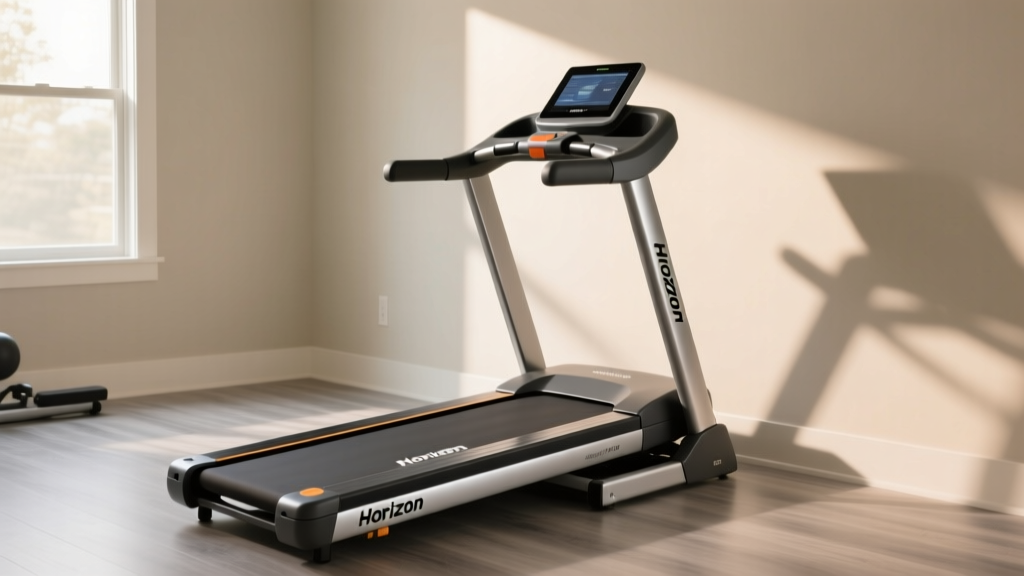
Space Layouts: Rove Concepts Camino Treadmill vs Stationary Bikes
Compare the Rove Concepts Camino treadmill footprint against upright, recumbent, and spin bikes to optimize your 2026 home gym layout and traffic flow.

The 2026 Home Gym Paradigm: Aesthetics Meets Spatial Ergonomics
Designing a home gym in 2026 requires balancing high-performance fitness equipment with the architectural flow of modern living spaces. The days of dedicating a dark, unfinished basement to bulky, industrial-looking machines are over. Today, fitness equipment must integrate seamlessly into multi-use rooms, home offices, and open-concept living areas. When optimizing your floor plan, the two most common anchors are premium walking/running pads and the diverse spectrum of stationary bikes.
In this spatial analysis, we will break down the exact footprint, clearance requirements, and visual weight of the highly sought-after Rove Concepts Camino treadmill against the three primary stationary bike types: upright, recumbent, and spin. Whether you are working with a compact 8x10 guest room or a sprawling 15x20 dedicated wellness studio, understanding the geometric realities of these machines is critical for safe traffic flow and aesthetic harmony.
Footprint Analysis: Rove Concepts Camino Treadmill Dimensions
The Rove Concepts Camino treadmill has disrupted the premium cardio market by merging mid-century modern design sensibilities with functional biomechanics. Unlike traditional folding treadmills that feature bulky motor housings and aggressive digital consoles, the Camino is designed for low-profile integration.
- Total Footprint: 62 inches (L) x 26 inches (W)
- Running Surface: 50 inches x 18 inches
- Deck Height: 4.5 inches from the floor
- Visual Weight: Low. The absence of vertical handrails (when folded/stowed) allows it to slide under standard media consoles or floating shelves.
Stationary Bike Types: Upright, Recumbent, and Spin Footprints
When evaluating stationary bike types (upright, recumbent, spin), the spatial footprint varies wildly based on the machine's biomechanical purpose. Bikes generally eliminate the need for rear safety clearance zones, making them superior for tight corners and high-traffic corridors.
1. Spin Bikes (Indoor Cycles)
Spin bikes, such as the Keiser M3i or the Bowflex VeloCore, are engineered for aggressive, out-of-the-saddle riding. They feature a compact longitudinal footprint but require lateral space for standing climbs.
Average Dimensions: 48" L x 24" W.
Spatial Advantage: Their narrow profile allows them to be tucked into alcoves or placed facing a corner window without dominating the room's sightlines.
2. Upright Bikes
Upright bikes mimic traditional outdoor cycling geometry but with a smaller, more enclosed frame. Models like the Schwinn IC4 or Peloton Guide setups offer a moderate footprint.
Average Dimensions: 49" L x 21" W.
Spatial Advantage: Upright bikes have the smallest overall square footage requirement of the cardio family. They are ideal for multi-use home offices where the bike must share space with a desk and filing cabinets.
3. Recumbent Bikes
Recumbent bikes, such as the NordicTrack Commercial R35 or the Sunny Health SF-RBE4201, feature a bucket seat and forward-mounted pedals. This ergonomic design drastically alters the spatial requirement, shifting the footprint from vertical to horizontal.
Average Dimensions: 65" L x 25" W.
Spatial Advantage: While they consume the most longitudinal floor space (often matching or exceeding a treadmill), their low visual profile (usually under 45 inches high) means they can be placed directly in front of floor-to-ceiling windows or entertainment centers without blocking light or screens.
Comparative Spatial Matrix
| Machine Type / Model | Footprint (L x W) | Total Area Needed (w/ Clearance) | Visual Mass |
|---|---|---|---|
| Rove Concepts Camino Treadmill | 62" x 26" | 92" x 56" (11.2 sq ft active) | Low (Horizontal) |
| Spin Bike (Keiser M3i) | 48" x 24" | 48" x 48" (16 sq ft active) | Medium (Vertical) |
| Upright Bike (Schwinn IC4) | 49" x 21" | 49" x 45" (15.3 sq ft active) | Medium (Vertical) |
| Recumbent Bike (NordicTrack R35) | 65" x 25" | 65" x 49" (22.1 sq ft active) | Low (Horizontal) |
Vertical Clearance: The Ceiling Height Constraint
One of the most overlooked aspects of home gym layout design is vertical clearance. According to guidelines referenced by the Mayo Clinic's home gym planning resources, failing to account for ceiling height is the leading cause of equipment returns and spatial regret.
The Treadmill Bounce Rule
When running on the Rove Concepts Camino treadmill, the user's vertical profile increases. A standard 4.5-inch deck height plus a 6-inch running bounce means you must add at least 10 to 15 inches to the user's barefoot height to determine minimum ceiling clearance.
The Math: If your ceiling is 84 inches (7 feet) and the user is 70 inches (5'10") tall, the total clearance is only 14 inches. This leaves zero margin for error during high-intensity sprints. For homes with standard 8-foot ceilings, treadmills are only viable for users under 6 feet tall.
The Bike Advantage
Stationary bike types (upright, recumbent, spin) completely eliminate the ceiling height variable. Even when a user is standing out of the saddle on a spin bike, their maximum vertical reach rarely exceeds their natural standing height. This makes bikes the undisputed champions for basement gyms, attic conversions, and rooms with sloped ceilings or low-hanging HVAC ductwork.
Spatial Zoning and Traffic Flow Framework
Integrating cardio equipment into a living space requires an understanding of 'visual weight' and traffic flow. The American Council on Exercise (ACE) emphasizes that a home gym should not disrupt the natural pathways of a household. Here is how to zone your equipment based on room architecture:
- The Window Anchor (Recumbent & Camino): Because recumbent bikes and the Camino treadmill lack towering vertical consoles, they are perfect for placing directly in front of windows. This maximizes natural light for the user while preserving the room's exterior sightlines from the doorway.
- The Corner Power Station (Spin & Upright): Upright and spin bikes feature high handlebars and digital screens that create a 'visual wall'. Place these in dead corners or against solid walls to anchor the room. Facing a spin bike into a corner with a mounted TV creates an immersive, distraction-free zone without cluttering the center of the room.
- The Multi-Use Divider: In open-concept lofts, the Rove Concepts Camino can be used as a spatial divider. Placed perpendicular to a sofa, its sleek, low-profile side rail acts as a subtle architectural boundary between the 'living zone' and the 'wellness zone', a major trend in 2026 interior layouts.
Final Verdict: Choosing Your Layout Anchor
Deciding between the Rove Concepts Camino treadmill and a stationary bike ultimately comes down to your room's geometric constraints and your biomechanical needs.
Choose the Rove Concepts Camino Treadmill If:
- You have ceilings higher than 8.5 feet.
- Your room features a long, narrow corridor layout (e.g., a 10x20 bonus room) where the 62-inch length can be tucked against a long wall.
- You prioritize walking pad functionality and want a machine that can slide under a custom floating media console when not in use.
Choose a Stationary Bike (Upright/Recumbent/Spin) If:
- You are outfitting a basement, attic, or room with sloped ceilings.
- Your space is a square 10x10 room where a 30-inch rear treadmill safety zone would consume 25% of your usable floor area.
- You need to place the machine in a high-traffic corridor where a protruding treadmill deck could become a tripping hazard for children or pets.
By respecting the exact dimensions, clearance zones, and visual profiles of these machines, you can design a home gym that feels like a natural extension of your home's architecture rather than an afterthought. For more on establishing consistent routines once your space is optimized, review the CDC's physical activity guidelines to ensure your new layout supports your long-term cardiovascular health goals.
More gear to consider
All reviews
Is Walking on a Treadmill Good for Weight Loss? Feature Buying Guide

What's a Good Incline and Speed for Treadmill Walking Pads?

Elliptical vs Treadmill: 2026 Trends & Treadmill Pace Chart

Are DeerRun Treadmills Good? Hands-On Compact Cardio Review

YMCA Treadmills vs Rowers: 2026 Buying & Technique Guide