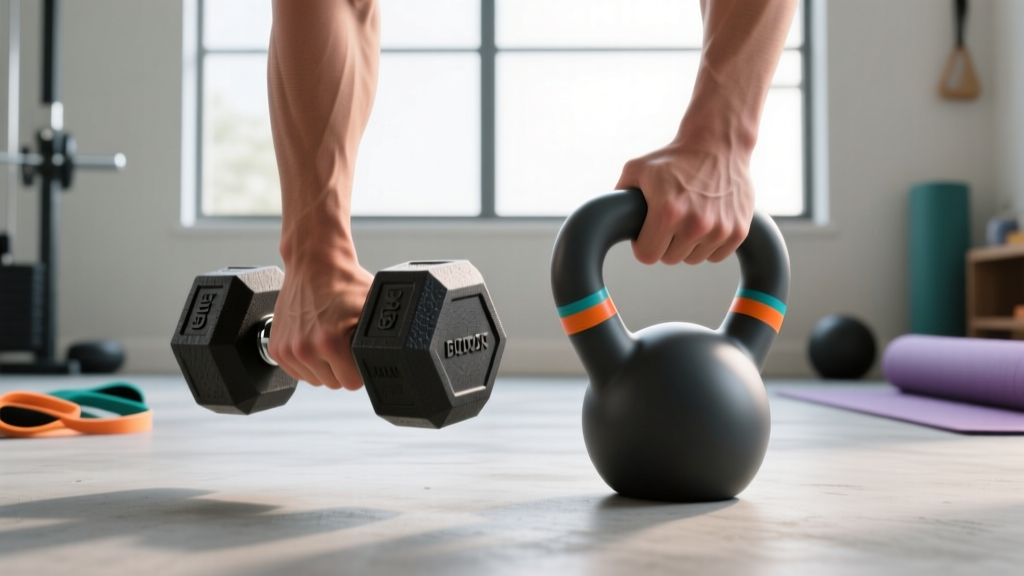
Reverse Grip Dumbbell Curl: Rubber Hex vs Urethane Review
We test rubber hex vs urethane dumbbells for the reverse grip dumbbell curl. Discover which material offers the best grip, durability, and knurling feel.

The Biomechanical Demand of the Reverse Grip Dumbbell Curl
When building forearm thickness and elbow flexor strength, the reverse grip dumbbell curl is a non-negotiable staple. By utilizing a pronated (palms-down) hand position, you effectively minimize the mechanical advantage of the biceps brachii, shifting the primary load onto the brachioradialis and brachialis. According to ExRx.net's biomechanical breakdown, this pronated grip drastically alters the force curve of the lift.
However, this shift introduces a massive bottleneck: grip security. A pronated grip is inherently weaker than a supinated or neutral grip. If your dumbbell handle is slick, poorly knurled, or coated in a degrading material, your fingers will peel open long before your brachioradialis reaches muscular failure. This is where the debate of rubber hex dumbbell vs urethane dumbbell becomes critical. The material encasing the heads—and more importantly, the material coating the handle—dictates whether you stimulate muscle growth or simply battle a slipping grip.
Contender 1: Rubber Hex Dumbbells (The Budget Standard)
Rubber hex dumbbells, such as the widely available CAP Barbell Cast Iron Hex series, are the undisputed kings of budget-friendly garage gyms. Priced between $1.20 and $1.80 per pound as of early 2026, they offer an accessible entry point into free weight training. The hexagonal heads prevent rolling, and the recycled rubber coating dampens noise and protects flooring.
The Handle Dilemma
Most entry-level rubber hex dumbbells feature either a solid rubber-coated handle or a bare, hard-chrome steel handle with shallow knurling. For the reverse grip dumbbell curl, both present significant issues:
- Rubber-Coated Handles: While comfortable for presses, rubber lacks the micro-texture needed to lock a pronated grip in place. Once sweat accumulates, the friction coefficient plummets, turning a heavy curl set into a slippery hazard.
- Shallow Chrome Knurling: Budget chrome handles often feature 'mild' knurling. The peaks of the knurl are not sharp enough to bite into the calluses of your palm, forcing you to squeeze the dumbbell excessively hard, which prematurely fatigues your forearm flexors before the brachioradialis is fully stimulated.
Contender 2: Urethane Dumbbells (The Premium Standard)
Urethane (specifically thermoplastic polyurethane, or TPU) represents the gold standard for commercial and high-end home gyms. Models like the Rogue Fitness Urethane line or Iron Grip dumbbells command a premium—typically $3.50 to $5.50 per pound—but they solve every failure mode associated with rubber.
Superior Knurling and Grip Security
Premium urethane dumbbells almost universally feature bare, high-carbon steel handles with medium-to-aggressive knurling. Because urethane is molded directly to the steel core without needing a thick, shock-absorbing rubber layer near the handle junction, manufacturers can extend the knurled surface area closer to the heads. When executing the reverse grip dumbbell curl, this aggressive knurling provides a mechanical interlock with your skin. You don't have to crush the handle to maintain a pronated grip; the steel bites into your hand, allowing you to focus entirely on driving the concentric contraction through the elbow joint.
Unmatched Durability
Urethane is highly resistant to abrasion, UV light, and chemical degradation. According to comprehensive equipment tests by Garage Gym Reviews, urethane dumbbells show virtually zero cosmetic or structural degradation even after years of heavy drops and exposure to the elements. They do not emit the volatile organic compounds (VOCs) responsible for the infamous 'new rubber smell,' making them ideal for enclosed spaces.
Head-to-Head Comparison Matrix
To visualize how these two materials stack up specifically for grip-intensive exercises like the reverse curl, review the data matrix below:
| Feature | Rubber Hex Dumbbells | Urethane Dumbbells |
|---|---|---|
| Handle Material | Rubber-coated or mild chrome | Bare steel, aggressive knurl |
| Pronated Grip Security | Poor to Fair (High slip risk) | Excellent (Mechanical interlock) |
| Average Cost (per lb) | $1.20 - $1.80 | $3.50 - $5.50 |
| Sweat / Acid Resistance | Low (Degrades, gets sticky) | High (Impervious) |
| Head Failure Mode | Rubber splits at the steel seam | Chipping on bare concrete |
Environmental Degradation: Garage Gym Realities
If you train in a non-climate-controlled garage gym, the choice between rubber hex and urethane becomes even more pronounced. Rubber is highly susceptible to thermal expansion and contraction. In environments that swing from freezing winters to 100°F+ summers, the rubber coating on hex dumbbells will eventually micro-fracture. Water and humidity seep into these fractures, reaching the cast iron core and causing internal rust. This rust expands, ultimately blowing the rubber heads apart from the inside out.
Urethane, conversely, is a thermoset-like polymer in its cured state. It remains stable across extreme temperature fluctuations. While a direct drop onto raw, unsealed concrete can chip the edge of a urethane head, dropping it on standard horse stall mats will result in zero damage, ensuring the dumbbell outlasts the lifter.
Execution Protocol: Maximizing Friction on the Reverse Curl
Regardless of whether you opt for the budget rubber hex or the premium urethane, proper execution of the reverse grip dumbbell curl requires specific technical cues to protect the wrist and maximize brachioradialis engagement.
Step 1: The Pronated Lock
Stand with feet shoulder-width apart. Grip the dumbbells with a full pronated grip (palms facing your thighs). If using urethane dumbbells, seat the knurling deep into the base of your fingers, not the middle of the palm. Wrap your thumb securely around the handle to create a closed loop, preventing the dumbbell from rolling out of an open, thumbless grip.
Step 2: The Concentric Phase
Keep your elbows pinned to your ribcage. Do not allow them to drift forward, which shifts the tension onto the anterior deltoid. Curl the weight upward while actively fighting the natural tendency for your wrists to flex (bend inward). Maintain a rigid, neutral wrist alignment throughout the ascent. Exhale as you pass the 90-degree mark of elbow flexion.
Step 3: The Eccentric Control
Lower the dumbbells over a strict 2-to-3 second count. The brachioradialis responds exceptionally well to eccentric overload. Fight gravity all the way down until your elbows are fully locked out, feeling a deep stretch in the forearm extensors before initiating the next repetition.
Final Expert Verdict
When optimizing your equipment for grip-demanding isolation movements like the reverse grip dumbbell curl, the handle is just as important as the weight itself. Rubber hex dumbbells are a viable, cost-effective solution for general fitness, pressing movements, and goblet squats where grip friction is less of a limiting factor. However, for targeted forearm and brachialis hypertrophy, the slick handles and shallow knurling of budget rubber hex models will inevitably bottleneck your progress.
Urethane dumbbells are the definitive choice for the serious lifter. The upfront cost is significantly higher, but the combination of bare-steel aggressive knurling, zero chemical off-gassing, and lifelong structural integrity makes them a permanent fixture in any elite training arsenal. If the reverse grip curl is a staple in your programming, invest in urethane, secure your pronated grip, and force the forearms to adapt.
More gear to consider
All reviews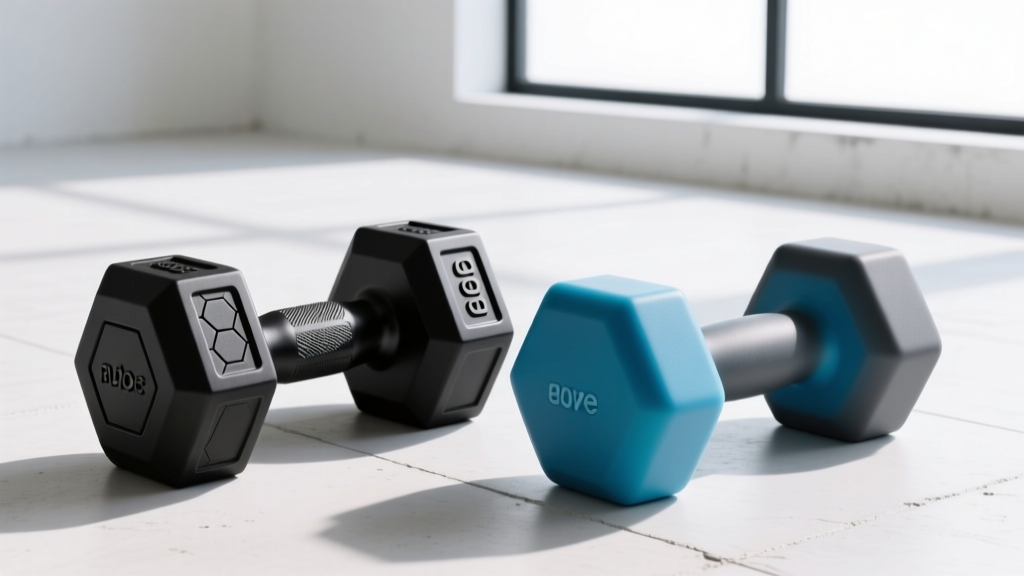
Rubber Hex vs Urethane: Training Triceps with Dumbbells (2026)
Bumper vs Iron Plates Value Guide: Beyond the Squat One Dumbbell Phase
Cast Iron vs Competition Kettlebells & Reverse Grip Dumbbell Bench Press

EZ Curl Bar vs Straight Bar: Curls & Shoulder Shrug Dumbbells

Dumbbell Lawn Mowers: The 2026 Rolling Rack Value Guide
