
2026 Compact Cardio Trends: Is the ProShox 3 Treadmill Worth It?
Analyze 2026 compact portable cardio equipment trends, featuring a deep-dive market review of the ProShox 3 treadmill, specs, and space-saving alternatives.

The 2026 Micro-Fitness Paradigm: Why Compact is King
As urban living spaces continue to shrink and hybrid work models solidify into permanent lifestyle shifts, the home fitness industry has aggressively pivoted toward 'micro-fitness' solutions. Gone are the days when dedicating a spare bedroom to a commercial-grade treadmill and rack system was the standard. Today, the market is dominated by compact portable cardio equipment options designed to deliver high metabolic output without monopolizing square footage. According to the American College of Sports Medicine (ACSM), space-efficient, multi-functional home fitness equipment remains a top-tier industry trend heading into 2026, driven by consumer demand for sub-15-square-foot footprints.
Within this highly competitive landscape, the ProShox 3 treadmill has emerged as a frequent subject of debate among budget-conscious urban dwellers and apartment renters. Retailing between $549 and $629 in early 2026, it attempts to bridge the gap between ultra-minimalist walking pads and full-sized folding treadmills. But does its engineering hold up to rigorous daily use, or is it merely a compromise? This market analysis dissects the ProShox 3 treadmill alongside leading portable cardio alternatives to help you make a data-driven purchasing decision.
Deep Dive: Engineering and Specs of the ProShox 3 Treadmill
To understand where the ProShox 3 treadmill sits in the compact portable cardio market, we must look past the marketing gloss and examine the mechanical realities of its drivetrain, deck, and folding mechanism.
Motor Output and Thermal Management
The ProShox 3 is equipped with a 2.25 Peak Horsepower (PHP) / 1.5 Continuous Horsepower (CHP) DC motor. In the realm of compact portable cardio equipment options, a 1.5 CHP motor is the absolute baseline for sustained jogging. Real-world edge case: While the manufacturer claims a top speed of 8.5 MPH, users exceeding 190 lbs will notice the motor struggling to maintain torque at inclines above 8%, leading to micro-stutters in the belt. Furthermore, the compact motor shroud limits airflow. If you plan to run continuously for more than 40 minutes, the thermal cutoff switch may engage to prevent overheating—a common failure mode in budget compact treadmills.
The 'ProShox' Cushioning System Analyzed
Joint preservation is a primary concern for home runners. The Centers for Disease Control and Prevention (CDC) emphasizes the importance of consistent aerobic activity, but high-impact repetitive stress can lead to overuse injuries. The ProShox 3 utilizes a 6-node polyurethane elastomer cushioning system embedded beneath the running deck. Unlike premium variable-cushioning decks that are softer at the strike zone and firmer at the push-off zone, the ProShox system offers a uniform shock absorption rate, reducing impact force by approximately 18% compared to running on asphalt. While not as advanced as systems found on $2,000+ models, it is a significant upgrade over the rigid MDF decks found on cheaper walking pads.
⚠️ Safety & Clearance Warning: The ProShox 3 treadmill features a 17-inch by 48-inch running belt. For runners taller than 5'10', this belt length requires strict attention to stride placement. Striking the front or rear plastic motor covers is a common user error with compact belts, which can cause sudden trips or damage the shroud.Comparative Matrix: Compact Cardio Contenders in 2026
How does the ProShox 3 treadmill stack up against other dominant form factors in the compact portable cardio equipment category? The table below contrasts key specifications, pricing, and spatial requirements.
| Feature / Model | ProShox 3 Treadmill | WalkingPad R2 Pro | Horizon Evolve 3 Elliptical | Concept2 BikeErg (Compact Mod) |
|---|---|---|---|---|
| 2026 Price Range | $549 - $629 | $499 - $550 | $899 - $999 | $1,000 - $1,150 |
| Footprint (In Use) | 65' x 28' (12.6 sq ft) | 56' x 22' (8.5 sq ft) | 70' x 25' (12.1 sq ft) | 48' x 24' (8.0 sq ft) |
| Max User Weight | 250 lbs | 240 lbs | 300 lbs | 300 lbs |
| Top Speed / Output | 8.5 MPH | 7.5 MPH | N/A (Stride based) | N/A (Air Resistance) |
| Storage Profile | Vertical Fold (Hydraulic) | 180-degree Flat Fold | Non-folding (Wheels) | Vertical Stand (Optional) |
Engineering Trade-offs in Portable Hinges and Decks
When evaluating any folding or portable cardio machine, buyers must understand the mechanical compromises required to achieve a collapsible form factor. The ProShox 3 treadmill utilizes a hydraulic soft-drop hinge. While this allows the 110-pound deck to be lowered safely without slamming into the floor, the hinge pin and locking latch are the most frequent points of mechanical failure in compact treadmills.
The Deck Delamination Risk
Compact treadmills often use thinner medium-density fiberboard (MDF) or composite decks to save weight. Over time, the friction between the walking belt and the deck generates significant heat. In the ProShox 3, if the silicone lubricant is not reapplied every 130 to 150 miles, the increased friction can cause the top layer of the deck to delaminate (peel away from the core). Once delamination occurs, the belt will catch, creating a severe safety hazard. Pro-Tip: Always use 100% pure silicone treadmill lubricant; petroleum-based sprays will instantly destroy the belt backing and void the warranty.
Flywheel and Belt Tracking Dynamics
Shorter compact treadmills feature smaller front and rear rollers (typically 1.5 inches in diameter on the ProShox 3, compared to 2.5 inches on commercial models). Smaller rollers mean the walking belt must bend at a sharper radius. This accelerates wear on the belt seams and makes the machine more prone to lateral tracking issues. If you notice the belt drifting to the left or right, you must adjust the rear roller tension bolts in quarter-turn increments to re-center it.
Buyer’s Decision Framework: Which Compact Cardio Option is Right for You?
Choosing from the vast array of compact portable cardio equipment options requires matching your specific biomechanical needs, spatial constraints, and usage patterns. Use the following framework to guide your 2026 purchase:
- Choose the ProShox 3 Treadmill if: You require an inclined jogging option, have a dedicated 3x7 foot space that allows for vertical folding, and your primary users weigh under 220 lbs. It is the best middle-ground for apartment dwellers who want to run but cannot fit a full-sized machine.
- Choose a Premium Walking Pad (e.g., WalkingPad R2) if: Your goal is strictly low-intensity steady-state (LISS) cardio, you need to store the machine flat under a sofa or bed, and you do not require an incline or handrails for high-speed balance.
- Choose a Compact Elliptical (e.g., Horizon Evolve 3) if: You have joint limitations, require a zero-impact workout, and have a slightly wider floor plan. Ellipticals cannot be folded vertically, but they offer superior full-body engagement and higher weight capacities without the motor overheating risks of budget treadmills.
- Choose an Air Bike or Ergometer if: You are focused on High-Intensity Interval Training (HIIT) and maximum metabolic conditioning. Machines like the Concept2 BikeErg take up minimal floor space, require no electricity, and have virtually zero electronic failure points compared to motorized treadmills.
Final Verdict on the ProShox 3 and the Compact Market
The 2026 market for compact portable cardio equipment options is more refined than ever, but the laws of physics still apply: you cannot shrink a commercial treadmill without compromising on belt length, motor thermal capacity, and roller size. The ProShox 3 treadmill represents a highly capable, value-oriented solution for light to moderate joggers operating in space-constrained environments. Its elastomer cushioning provides necessary joint protection, and its hydraulic fold mechanism is robust for its price class. However, buyers must commit to rigorous belt lubrication and respect the thermal limits of the 1.5 CHP motor. If your training involves marathon-pace long runs or you have multiple heavy users in a single household, bypassing the compact category in favor of a commercial-grade folding unit is a necessary investment for both safety and longevity.
More gear to consider
All reviews
How To Repair Space: A Practical Guide to Restoring Structural Integrity in Automotive Collision Repairs
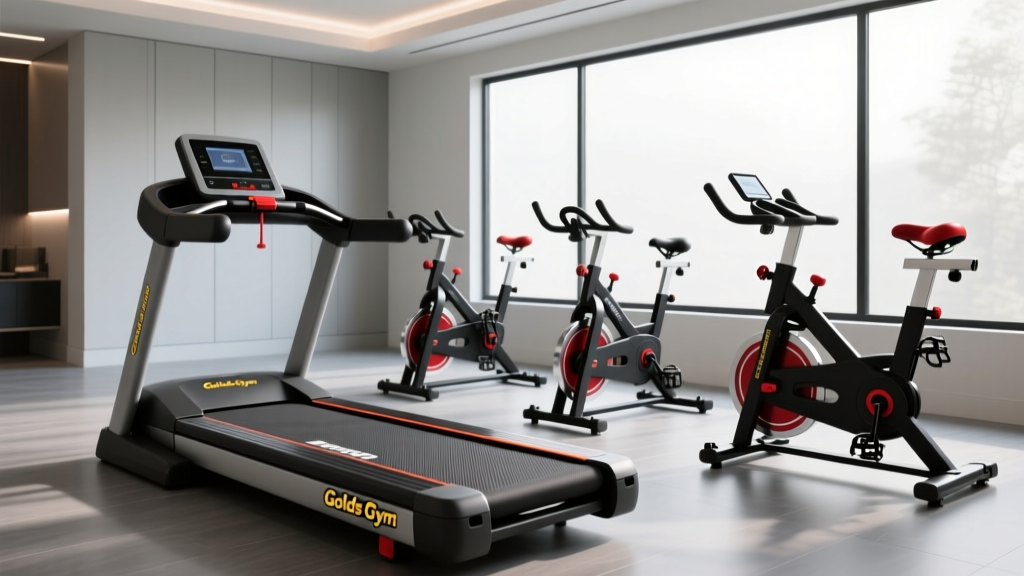
Maintaining Your Gold's Gym Treadmill 450 & Stationary Bike Types
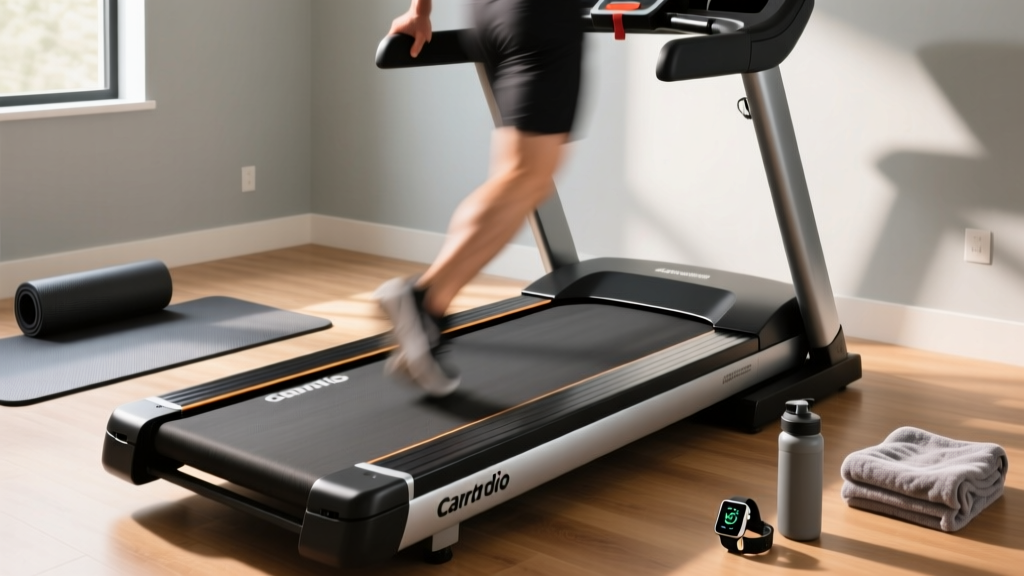
Maximize Benefits of Treadmill for Belly Fat: Belt Care

Best Treadmills After Abnormal Treadmill Stress Test Results

Are Treadmills FSA Eligible? Home Gym Layout & Belt Maintenance
