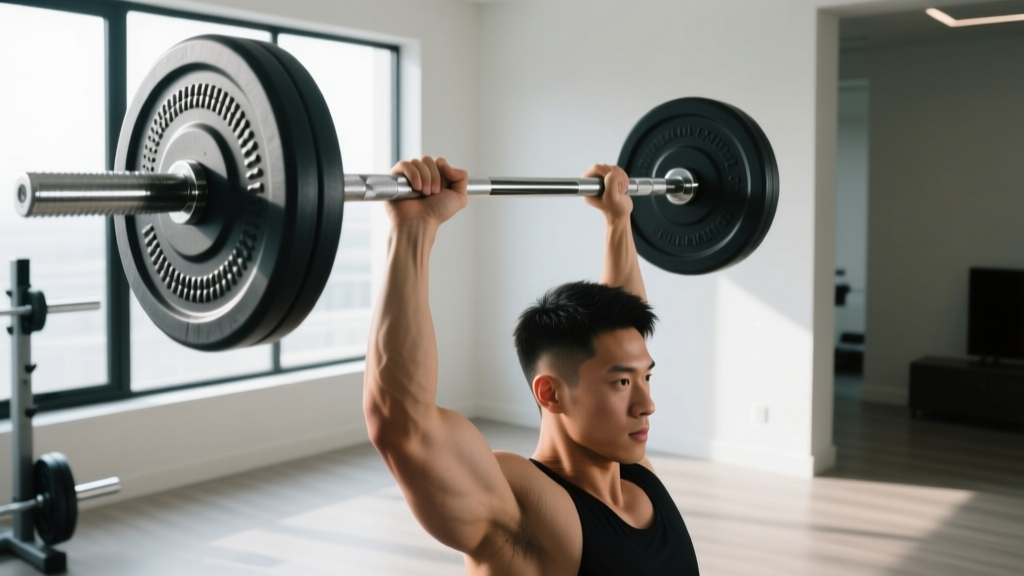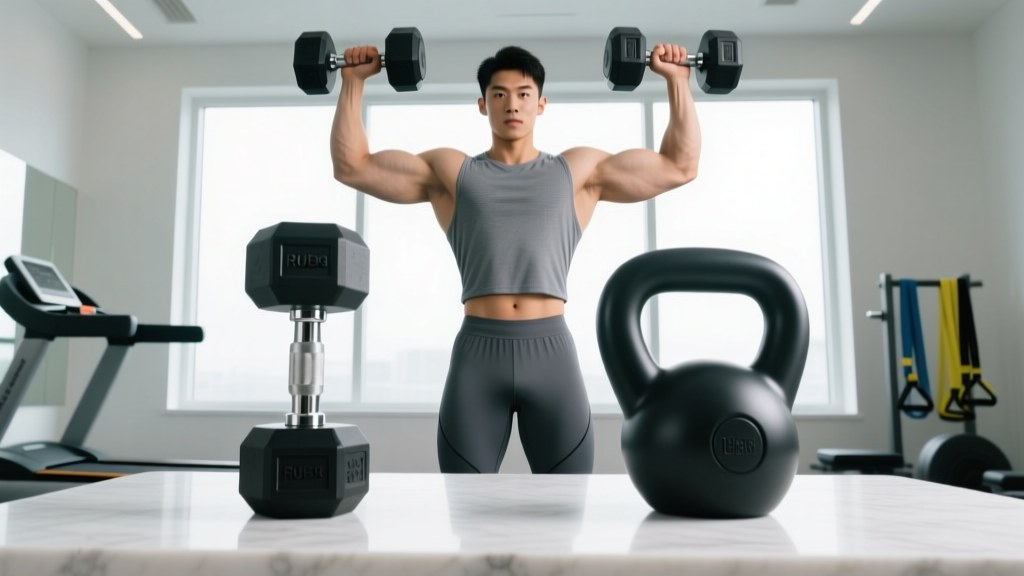
Hex vs Urethane Dumbbells: Proper Dumbbell Shoulder Press Form Guide
Compare rubber hex and urethane dumbbells to perfect your proper dumbbell shoulder press form. Expert hands-on review, pricing, and grip analysis.

The Biomechanics of the Press: Why Dumbbell Geometry Matters
When pursuing heavy overhead strength, lifters often obsess over programming while ignoring the physical interface between their hands and the load. Achieving proper dumbbell shoulder press form requires strict wrist stacking, scapular stability, and a secure setup. The material and shape of your dumbbells—specifically the choice between rubber hex and urethane—directly influence your grip security, the setup phase, and joint alignment.
As a senior reviewer for FitGearPulse, I have spent the last decade testing free weights in both commercial and home gym environments. In 2026, the market is saturated with options, but the debate between rubber hex and urethane dumbbells remains highly relevant for overhead pressing. The wrong equipment can subtly alter your bar path, compromise your wrist stacking, and increase the risk of impingement. Below, we break down the material science, pricing, and hands-on performance of both styles to help you optimize your pressing mechanics.
Hands-On Review: Rubber Hex Dumbbells (The Budget Workhorse)
Rubber hex dumbbells are the undisputed workhorses of commercial gyms and garage setups. They feature a solid steel or cast-iron core encased in vulcanized rubber, with a hexagonal head designed to prevent rolling.
Top 2026 Models and Pricing
- Rep Fitness Rubber Hex (V2): Featuring a 34mm chrome handle with shallow knurling. Pricing currently hovers around $1.89/lb. The rubber is relatively low-odor compared to older iterations.
- Rogue Rubber Hex: Equipped with a 35mm handle and a more aggressive medium knurl. Pricing sits at approximately $2.15/lb. The rubber coating is thick and highly resistant to chipping.
The Setup Advantage for Overhead Pressing
The primary benefit of the hex shape for the shoulder press is the setup phase. When lifting heavy (e.g., 70lb+ dumbbells), you must rest the weights on your distal thighs before 'kicking' them up to the shoulder. The flat edge of a hex dumbbell sits flush against the vastus medialis, providing a stable, non-slip launchpad. This stability is crucial for establishing proper dumbbell shoulder press form before the first rep even begins.
Edge Cases and Failure Modes
⚠️ Expert Warning: The Rattle FactorOver years of heavy drops, the vulcanized rubber on budget hex dumbbells can separate from the steel core. This creates an internal 'rattle' and shifts the center of gravity. During a heavy overhead lockout, an off-center dumbbell forces the wrist into ulnar deviation, breaking your stacking and risking joint strain.
Hands-On Review: Urethane Dumbbells (The Premium Standard)
Urethane is a premium, high-density elastomer that has largely replaced rubber in high-end fitness facilities. It is synthesized to resist UV degradation, ozone, and the acidic breakdown caused by human sweat.
Top 2026 Models and Pricing
- Rogue Urethane Dumbbells: Features a 34mm handle with a refined, medium-deep knurl that bites well without tearing calluses. Pricing is steep at roughly $3.65/lb.
- Eleiko Urethane: The gold standard for Olympic weightlifting facilities. Precision-balanced with custom ergonomic handles. Expect to pay upwards of $5.50+/lb.
Material Science and Grip Security
Urethane does not absorb sweat or chalk like porous rubber can. When executing high-rep hypertrophy sets, your hands will sweat. On a rubber-coated handle, sweat creates a slick, dangerous surface. Urethane handles (or high-quality chrome handles paired with urethane heads) maintain their friction coefficient, ensuring your grip does not fail before your anterior deltoids do.
The Cylindrical Disadvantage
Most urethane dumbbells feature round, cylindrical heads. While aesthetically pleasing and easier to clean, round heads are notoriously unstable on the thigh during the heavy kick-up setup. If you fail to actively 'cup' the dumbbell with your hand and knee, it will roll off, forcing you to abandon the set or compromise your spinal alignment to catch it.
Comparison Matrix: Rubber Hex vs. Urethane for Overhead Pressing
| Feature | Rubber Hex | Urethane (Round) |
|---|---|---|
| Avg. Price (2026) | $1.75 - $2.25 / lb | $3.50 - $5.50+ / lb |
| Thigh Setup Stability | Excellent (Flat edge) | Poor (Rolls easily) |
| Knurling Quality | Shallow to Medium | Medium to Deep (Premium) |
| Odor & Off-gassing | Moderate (Recycled/Virgin mix) | Zero (Odorless) |
| Durability (Drops) | Good (Rubber may tear) | Exceptional (Bounces slightly) |
Step-by-Step: Executing Proper Dumbbell Shoulder Press Form
Regardless of whether you choose hex or urethane, the biomechanics of the overhead press remain constant. According to ExRx.net's kinesiology breakdown of the dumbbell shoulder press, the movement primarily targets the anterior deltoid, with heavy synergist involvement from the triceps brachii and lateral deltoid. Here is how to execute the movement flawlessly:
- The Setup and Kick-Up: Sit on a bench with a back angle between 75 and 85 degrees (a strict 90 degrees can impinge the acromioclavicular joint). Rest the dumbbells on your thighs. For hex dumbbells, align the flat edge parallel to your knee. Kick one knee up at a time to drive the weights to shoulder height.
- Scapular Positioning: Depress your shoulder blades (pull them down toward your hips) and maintain a neutral thoracic spine. Avoid the temptation to arch your lumbar spine excessively.
- The Scapular Plane (Scaption): Do not press directly out to the sides (the frontal plane). Instead, tuck your elbows slightly forward, about 30 degrees anterior to your torso. As noted in BarBend's comprehensive guide to dumbbell pressing mechanics, pressing in the scapular plane clears the acromion process, drastically reducing the risk of rotator cuff impingement.
- Wrist Stacking: Ensure the handle of the dumbbell rests directly over the radius and ulna bones of your forearm. Your knuckles should point toward the ceiling. If your wrists bend backward into extension, the load is transferring to your connective tissue rather than your skeletal structure.
- The Lockout: Press the weights up and slightly inward, stopping just short of the dumbbells clashing together. Your biceps should be roughly in line with your ears. Keep your ribs pulled down to maintain core tension.
💡 The Grip Security Framework
If you struggle with wrist extension during the lockout phase, evaluate your dumbbell handle diameter. Many budget rubber hex dumbbells feature handles that taper or exceed 38mm in thickness near the head. This forces the hand open, weakening the grip. Premium urethane sets (like Rogue or Eleiko) maintain a strict 34mm to 35mm cylindrical handle throughout, allowing for a closed, secure grip that naturally promotes neutral wrist stacking.
Expert Verdict & Buying Framework
Choosing between rubber hex and urethane ultimately depends on your budget, environment, and tolerance for setup friction.
- Buy Rubber Hex If: You are outfitting a garage gym on a budget, you frequently perform heavy seated presses where the thigh kick-up is mandatory, and you can tolerate a slight initial rubber odor while the set off-gasses in a ventilated space.
- Buy Urethane If: You are building a premium home gym, you share the space with others (zero odor is a must), you prioritize aggressive knurling for high-sweat hypertrophy blocks, and you are willing to adapt your knee-cupping technique to manage the rolling cylindrical heads.
Frequently Asked Questions
Can I use rubber hex dumbbells for floor exercises like renegade rows?
Yes, the hex shape is superior for floor work. The flat edges prevent the dumbbell from rolling when you place your body weight on the handle during renegade rows or plank pull-throughs, making them significantly safer than round urethane models for these specific movements.
Does the smell of rubber dumbbells ever go away?
Virgin rubber off-gasses much faster than recycled rubber. If you purchase a high-quality set in 2026, the odor will dissipate within 2 to 4 weeks if kept in a climate-controlled, well-ventilated room. Wiping them down with a mild vinegar-water solution can accelerate the neutralization of volatile organic compounds (VOCs).
Is a 90-degree bench angle best for shoulder pressing?
No. A strict 90-degree bench angle forces the humerus into a position that can grind against the acromion, leading to impingement over time. Setting the adjustable bench to one or two notches back (roughly 75 to 80 degrees) allows for a much safer, more natural pressing path while still isolating the deltoids.
More gear to consider
All reviews
2026 Adjustable Dumbbell Review: Setup for Flat Dumbbell Flyes
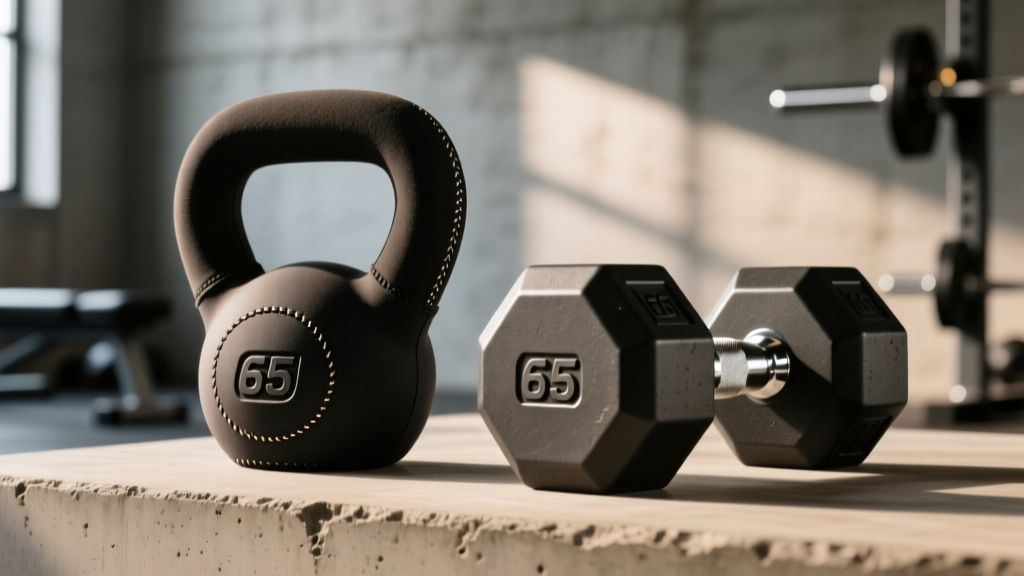
65 Pound Dumbbells in 2026: Neoprene vs. Rubber Hex Showdown
Best Adjustable Dumbbells for Dumbbell Hip Thrusts (2026)
Power Rack vs Squat Rack vs Stand for Upper Body Dumbbell Workouts

Olympic vs Standard Plates: Troubleshooting & PowerBlock Pro Dumbbells