ProForm Carbon TLX Treadmill Assembly vs Portable Cardio Care
Compare ProForm Carbon TLX treadmill assembly with compact portable cardio equipment options. Learn 2026 maintenance tips for longevity and small spaces.

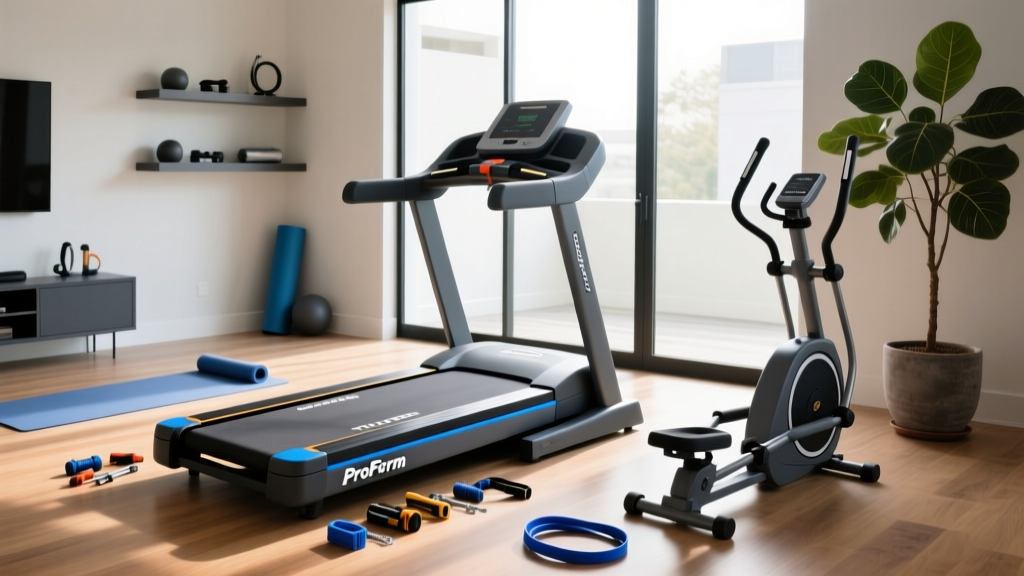
The home fitness landscape in 2026 has dramatically shifted toward space efficiency. Many enthusiasts begin their journey researching full-size machines, often watching a proform carbon tlx treadmill assembly video to gauge the effort required. While the ProForm Carbon TLX is a stellar traditional treadmill, the reality of wrestling a 145-pound steel frame, routing delicate console cables, and dedicating 30 square feet of floor space is pushing consumers toward compact portable cardio equipment options.
But does downsizing mean sacrificing longevity? Not if you understand the distinct maintenance ecosystems of heavy treadmills versus portable cardio gear. This guide breaks down the mechanical realities, upkeep routines, and longevity secrets for both categories, helping you protect your investment whether you are bolting together a full-size rig or folding up a walking pad.
The Reality of Full-Size Treadmill Assembly & Upkeep
To understand the appeal of portable gear, we must first look at the baseline of traditional cardio machines. The ProForm Carbon TLX (Model PFTL14121) represents the standard mid-tier home treadmill. It features a 1.75 CHP motor, a 20" x 55" tread belt, and a heavy steel upright mast.
Assembly and Initial Calibration
A proper proform carbon tlx treadmill assembly requires two people, roughly 90 to 120 minutes, and a 10mm socket wrench set. The most common failure point during assembly is pinching the upright data cable between the steel mast and the base frame. If this cable is compromised, the console will fail to read speed or incline data, requiring a complete teardown to replace.
Ongoing Maintenance Demands
- Belt Lubrication: Requires 100% silicone treadmill lube every 150 miles or every 3 months.
- Motor Hood Cleaning: The cooling fan acts as a vacuum. You must remove the motor hood every 6 months to clear dust bunnies that cause the motor control board to overheat.
- Belt Tensioning: Heavy foot strikes stretch the belt over time, requiring bi-annual adjustment of the rear roller bolts.
Top Compact Portable Cardio Equipment Options
If the spatial and maintenance footprint of a full-size treadmill is too high, compact portable cardio equipment options offer a compelling alternative. These machines prioritize high-density workouts with minimal square footage, but their folding mechanisms and smaller components require a completely different maintenance approach.
| Equipment Type | 2026 Benchmark Model | Weight / Footprint | Assembly Time | Primary Maintenance Focus |
|---|---|---|---|---|
| Foldable Walking Pad | WalkingPad R2 | 62 lbs / 3.5 sq ft (folded) | 0 mins (Unbox & unfold) | Hinge lubrication & belt tracking |
| Hydraulic Mini Stepper | Sunny Health S0203 | 16 lbs / 1.5 sq ft | 5 mins (Attach bands) | Cylinder seal care & sweat prevention |
| Compact Magnetic Bike | XTERRA FB150 Folding Bike | 32 lbs / 4 sq ft | 30 mins (Attach seat/pedals) | Crank bolt torque & pivot joint care |
Portable Cardio Maintenance: A Step-by-Step Longevity Guide
While portable gear eliminates the need for motor hood vacuuming and heavy belt lubrication, it introduces mechanical vulnerabilities related to folding joints, hydraulic fluids, and compact drivetrains. Here is how to maximize the lifespan of your compact portable cardio equipment options.
1. Walking Pad Belt Tracking and Hinge Care
Walking pads like the WalkingPad R2 or A1 Pro use a continuous loop belt over a low-profile aluminum frame. Because the rollers are smaller in diameter than traditional treadmills, the belt is highly susceptible to drifting.
- Diagnose the Drift: Turn the pad on to 1.5 mph with no one standing on it. Observe the belt's movement.
- Adjust the Roller: If the belt drifts to the left, insert a 5mm Allen wrench into the left rear adjustment bolt. Turn it clockwise by exactly one-quarter (1/4) turn.
- Wait and Observe: Allow 30 seconds for the belt to re-center. Never turn the bolt more than a half-turn at a time, or you will over-tension and snap the internal Kevlar ribs.
- Hinge Lubrication: The 180-degree folding hinge on the R2 bears immense torque. Apply a PTFE (Teflon) dry lubricant to the hinge pin every 4 months. Avoid standard WD-40, which attracts dust and turns into an abrasive paste.
2. Hydraulic Mini-Stepper Seal Preservation
Mini steppers rely on dual hydraulic cylinders to generate resistance. The enemy of these cylinders is not friction, but corrosion.
"The polyurethane seals on hydraulic cylinders degrade rapidly when exposed to the saline and urea found in human sweat. Once the chrome shaft pits, the cylinder will leak fluid and lose resistance permanently."
The Fix: Keep a microfiber cloth dampened with distilled water nearby. Wipe down the exposed chrome piston shafts immediately after every workout to remove saline residue. Never use chemical cleaners or alcohol-based wipes on the chrome, as this strips the factory anti-corrosion coating.
3. Folding Bike Pivot and Crank Maintenance
Folding exercise bikes utilize a central pivot joint and a lightweight magnetic flywheel. Over time, the repetitive lateral force of pedaling can loosen the crank arms and the main frame hinge.
- Crank Bolts: Check the crank arm bolts with a 14mm socket every 60 days. They should be torqued to roughly 25-30 Nm. Loose cranks will strip the square-taper spindle, rendering the bike unrepairable.
- Pivot Joint: The main folding latch must be wiped clean of debris before folding or unfolding. A single piece of gravel caught in the latch mechanism can bend the locking pin, creating a severe collapse hazard during use.
Cost of Ownership: Heavy Treadmills vs. Portable Gear
When evaluating longevity, we must look at the Total Cost of Ownership (TCO) over a 5-year period. The American Heart Association recommends consistent, moderate-intensity cardio for cardiovascular health, meaning your equipment must remain operational and cost-effective to maintain your routine.
5-Year TCO Breakdown
Traditional Treadmill (e.g., ProForm Carbon TLX - ~$599)
- Initial Cost: $599
- Silicone Lube (5 bottles): $40
- Replacement Drive Belt (Year 4): $45
- Control Board Replacement (Common failure): $180
- Total 5-Year Cost: ~$864
Compact Walking Pad (e.g., WalkingPad R2 - ~$499)
- Initial Cost: $499
- PTFE Dry Lube: $12
- Replacement Parts: $0 (Brushless motor, sealed bearings)
- Total 5-Year Cost: ~$511
As the data shows, compact portable cardio equipment options not only save space but significantly reduce long-term mechanical liabilities. Brushless motors in modern walking pads eliminate the need for carbon brush replacements, and the lack of an incline motor removes a major point of electronic failure found in full-size treadmills.
Frequently Asked Questions (FAQ)
Can I use a walking pad on thick carpet?
No. Walking pads lack the adjustable leveling feet found on full-size treadmills. Placing them on thick, plush carpet restricts airflow to the underside motor controller and causes the frame to flex, which throws the belt out of alignment. Always use a high-density PVC equipment mat.
How do I store a portable stepper to prevent cylinder damage?
Always store hydraulic steppers with the pedals in the depressed (downward) position. Leaving them fully extended exposes the maximum amount of the chrome shaft to ambient humidity, increasing the risk of micro-corrosion on the seals.
Is the ProForm Carbon TLX worth it if I have the space?
If you have a dedicated, climate-controlled room and require a 55-inch running surface for sprint intervals, the Carbon TLX is an excellent machine. However, if your primary cardio consists of walking, light jogging, or steady-state Zone 2 training, a high-end folding walking pad or compact magnetic bike will deliver identical cardiovascular benefits with a fraction of the maintenance overhead.
Final Thoughts on Equipment Longevity
Whether you are committing to the rigorous proform carbon tlx treadmill assembly process or unboxing a sleek, foldable walking pad, longevity is dictated by proactive care. Full-size machines demand electrical and belt-focused maintenance, while compact portable cardio equipment options require vigilance against sweat corrosion, hinge fatigue, and joint loosening. By matching your maintenance routine to the specific mechanical profile of your equipment, you can ensure your home gym remains a reliable pillar of your health for years to come.
More gear to consider
All reviews
How a 3 Incline on Treadmill Impacts Belt Maintenance Costs

Treadmill Weight Loss Before and After: 2026 Models Compared

Does Treadmill Build Muscle? Space-Saving Bikes vs. Treadmills

Air vs Assault Bike Space & How to Unfold a ProForm Treadmill Safely
Elliptical vs Treadmill: Is a Treadmill Put Together Worth the Cost?