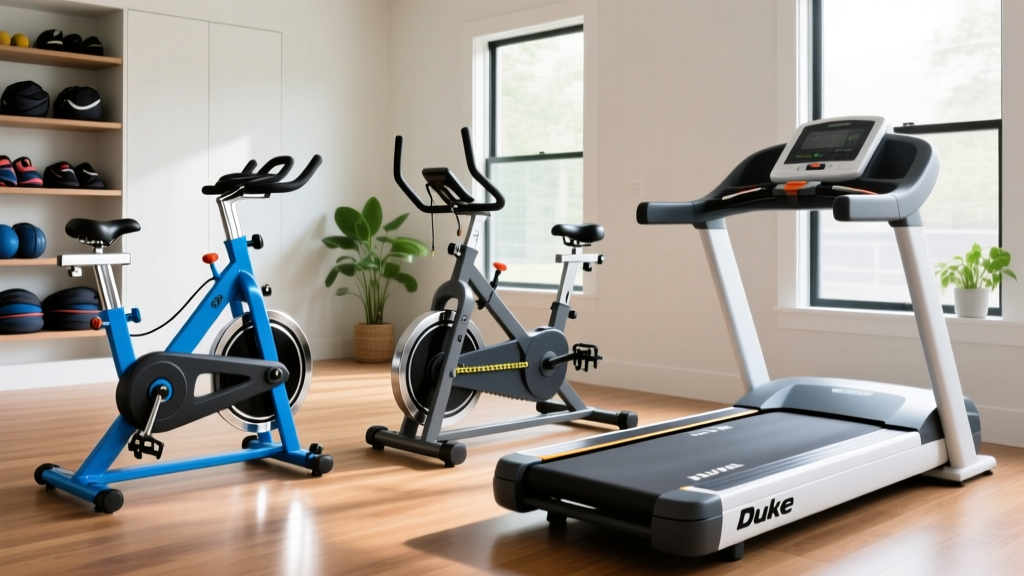
ProForm 830QT Treadmill Setup: Manual vs Motorized Guide
Master your home gym with our ProForm 830QT treadmill setup walkthrough, contrasting motorized installation with curved manual treadmill requirements.

The Home Gym Dilemma: Motorized Assembly vs. Manual Simplicity
Designing a functional home cardio space in 2026 requires more than just picking a machine; it demands a rigorous understanding of spatial geometry, electrical load planning, and long-term maintenance. When unboxing and assembling a classic motorized unit like the ProForm 830QT treadmill, you quickly realize the spatial and electrical demands inherent to traditional belt-driven systems. However, the recent surge in curved manual treadmills has forced fitness enthusiasts to rethink their installation strategies entirely.
This comprehensive setup and installation walkthrough uses the motorized ProForm 830QT treadmill as our primary case study for electrical and spatial planning, while contrasting it step-by-step with the installation realities of a curved manual treadmill (such as the TrueForm Trainer). Whether you are wiring a dedicated garage gym or maximizing a compact spare bedroom, understanding these installation nuances will save you from costly remodeling and equipment failure.
Phase 1: Unboxing and Pre-Installation Clearances
The ProForm 830QT treadmill typically ships in a single, dense carton weighing approximately 155 pounds. Before cutting the zip-ties, you must address the most critical safety oversight in home gym installations: rear clearance.
CPSC Safety Mandate: According to the Consumer Product Safety Commission (CPSC), motorized treadmills require a minimum rear clearance of 48 inches (4 feet) from any wall or fixed object. In the event of a fall, this space prevents the user from being pinned against a wall by the moving belt, which can cause severe friction burns or worse.Electrical Load Planning
Unlike modern ultra-efficient models, older or refurbished motorized units like the 830QT draw significant startup amperage. The 1.5 CHP motor requires a dedicated 15-amp, 120-volt circuit. Plugging this treadmill into a shared circuit with a space heater, air conditioner, or even a high-draw entertainment system will result in tripped breakers and, over time, will degrade the treadmill's motor controller board. Always install a high-quality surge protector rated for at least 1800 joules to protect the console's PCB from voltage spikes.
Phase 2: Step-by-Step Motorized Assembly
Assembling the ProForm 830QT requires a standard metric Allen wrench set, a Phillips head screwdriver, and roughly 45 minutes. Follow this sequence to ensure structural integrity:
- Deck Deployment: Carefully lift the folding deck into the upright position. Engage the manual safety latch before working near the hinges to prevent accidental crushing.
- Console Mast Attachment: Align the upright console mast with the base pivots. You will typically use four M8 x 40mm hex bolts. Pro Tip: Thread all bolts by hand first to avoid cross-threading the aluminum inserts before tightening them in a star pattern.
- Wire Routing: This is the most common failure point. Ensure the internal console wiring is not pinched between the metal mast and the plastic shroud. A pinched wire will short out the incline motor within weeks.
- Belt Tracking and Tension: Once powered on, walk the belt at 2.0 MPH. If the belt drifts left, turn the left rear roller adjustment bolt clockwise by exactly one-quarter turn. Wait 30 seconds for the belt to center before making further adjustments.
The Pivot: Curved Manual Treadmill Installation
Contrast the meticulous electrical and spatial planning of the 830QT with the brute-force simplicity of a curved manual treadmill. Models like the TrueForm Trainer by Rogue Fitness or the AssaultRunner Elite operate entirely on human kinetics, eliminating the need for power outlets, surge protectors, and motor maintenance.
Spatial Footprint and Zero-Clearance Advantage
Because a curved manual treadmill has no motorized belt that continues to spin after a user falls, the CPSC's 48-inch rear clearance rule does not apply. You can place a curved treadmill just inches from a wall or a squat rack. This 'zero-clearance' advantage is revolutionizing 2026 home gym layouts, allowing athletes to integrate cardio equipment into tight multi-use spaces, such as the center of a garage gym surrounded by weight racks.
The Heavy Lifting Setup
While you save on electrical work, you pay for it in physical labor. A curved manual treadmill weighs between 280 and 330 pounds due to its heavy steel frame and dense polyurethane slat belt. Installation requires two people and involves:
- Flipping the 200+ lb main chassis onto its rubberized feet.
- Bolting the heavy-duty upright console mast (usually 4 massive hex bolts).
- Leveling the rear stabilizer feet to ensure the curved track does not rock during high-intensity sprint intervals.
'The beauty of a curved manual treadmill is that once you drop it into place, the installation is permanently finished. There are no motor brushes to replace, no drive belts to tension, and no PCB boards to fry during a lightning storm.' — Home Gym Engineering Review, 2025
Head-to-Head: Installation & Footprint Comparison Matrix
To help you finalize your home gym floor plan, here is a direct comparison of the installation and spatial requirements between our motorized baseline and the curved manual alternative.
| Feature | ProForm 830QT (Motorized) | TrueForm Trainer (Curved Manual) |
|---|---|---|
| Unboxing Weight | ~155 lbs (1 person) | ~280 lbs (2-3 people required) |
| Electrical Needs | Dedicated 15-Amp Circuit + Surge Protector | None (Internal console battery) |
| Rear Clearance | 48 Inches Minimum (CPSC Mandate) | Zero Clearance Required |
| Setup Time | 45-60 Minutes (Wiring & Calibration) | 20 Minutes (Heavy Lifting & Bolting) |
| Floor Protection | Standard 3/8" Rubber Mat | Heavy-Duty 3/4" Horse Stall Mat (Vibration) |
Long-Term Maintenance: Belt Slippage vs. Slat Degradation
Installation is just day one. The true cost of cardio equipment reveals itself in year three. Understanding the failure modes of your chosen machine dictates how you maintain it post-installation.
Motorized Failure Modes (The 830QT)
The most common issue with compact motorized treadmills is deck friction. If the user neglects to apply 100% silicone lubricant under the belt every 150 miles, the friction coefficient spikes. This forces the 1.5 CHP motor to draw excess amperage to maintain speed, eventually melting the motor controller board or snapping the nylon drive belt. Furthermore, the folding hinge mechanism on the 830QT requires annual greasing with white lithium grease to prevent squeaking and metal-on-metal wear.
Curved Manual Failure Modes
Curved treadmills bypass motor issues but introduce mechanical track wear. The running surface consists of individual polyurethane slats attached to a continuous rubber belt that rides on sealed ball bearings. Over 3 to 5 years of heavy sprinting, the sealed bearings in the roller track can seize if exposed to excessive garage dust or humidity. Additionally, if a user consistently runs with a heavy heel-strike on the extreme edges of the slats, the polyurethane can chip. According to ProForm and general fitness equipment support guidelines, keeping the track clean of dust and debris is the single most effective way to extend the life of any belt-driven system, motorized or manual.
Expert Verdict: Which Setup Fits Your Space?
If you are installing equipment in a dedicated, climate-controlled bonus room with ample square footage and accessible dedicated circuits, the ProForm 830QT treadmill offers a cost-effective, feature-rich motorized experience. The setup requires patience and strict adherence to electrical and safety clearances, but rewards you with programmable inclines and steady-state pacing.
However, if you are building a high-intensity garage gym in 2026 where space is at a premium, electrical circuits are already maxed out by welders or air compressors, and you prioritize zero-clearance safety, the curved manual treadmill is the undisputed champion. The installation is physically demanding but mechanically liberating, offering a lifetime of maintenance-free, self-powered cardio.
More gear to consider
All reviews
Best Stair Climbers 2026: Beyond the Treadmill Bike GIF Hype

Treadmill Motor HP: Treadmill Lever System Strain & Troubleshooting
Stair Climber Guide vs WalkingPad P1 Classic Foldable Walking Treadmill

Cardio Noise Setup: ProForm Treadmill Maintenance Lubrication

Arc Trainer vs Treadmill: Top Folding Picks for Small Spaces