How to Prevent a Dumbbell Split: Loadable Handle Care
Learn how to maintain loadable dumbbell handles and interchangeable plates to prevent a dangerous mid-set dumbbell split and extend gear lifespan.

The Hidden Danger of the Mid-Set Dumbbell Split
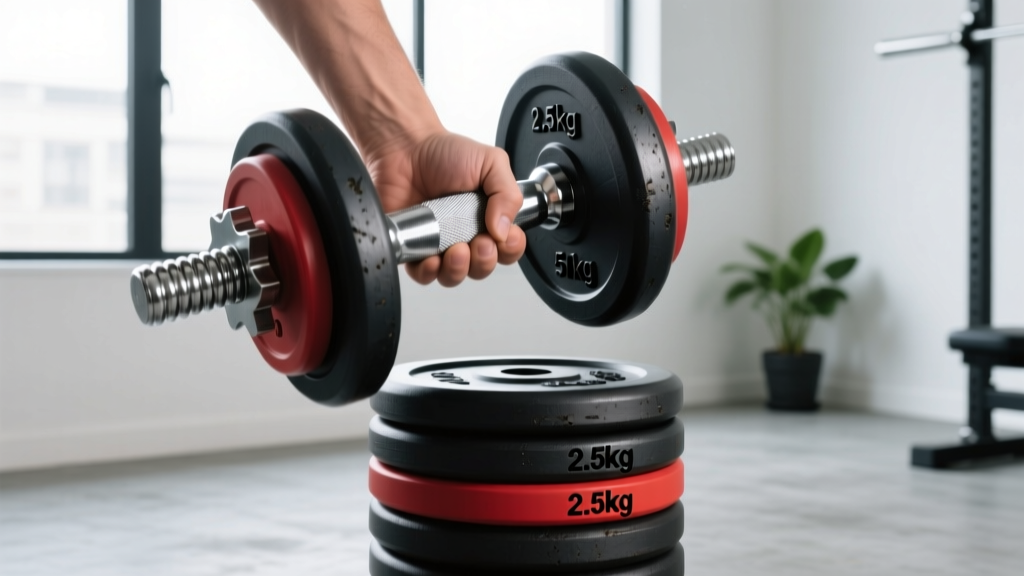
When programming a high-volume dumbbell split—such as a 4-day upper/lower or push/pull/legs routine utilizing free weights—your loadable handles endure hundreds of plate changes, chalk buildup, and repetitive micro-impacts. While loadable dumbbells with interchangeable plates (like the Rogue Loadable Dumbbell Handles or Titan Fitness 20" models) offer unparalleled weight adjustability for home gyms in 2026, they introduce a unique mechanical vulnerability: the dreaded mid-set dumbbell split.
A "dumbbell split" in this context refers to the catastrophic mechanical failure where the collar loses its grip, causing interchangeable plates to slide off the sleeve mid-rep. Whether you are executing heavy floor presses or walking lunges, a split dumbbell can result in severe wrist, facial, or foot injuries. According to equipment safety guidelines highlighted by Barbend, improper sleeve maintenance and collar degradation are the primary culprits behind free-weight slippage. This guide details the exact maintenance protocols required to keep your loadable dumbbell handles secure, functional, and ready for any training split.
Anatomy of a Loadable Handle Failure
To prevent a dumbbell split, you must understand where the mechanical tolerances fail. Loadable dumbbells typically feature a 2-inch Olympic sleeve and a securing mechanism. The three most common failure modes include:
- Thread Stripping & Cross-Threading: Forcing a spinlock nut onto dirty or misaligned threads strips the zinc or chrome plating, reducing the friction required to keep the nut tight.
- Sleeve Oxidation: Bare steel or black oxide sleeves (like those on the $79.99 Titan Fitness 20" Loadable Handles) will oxidize and flake if not regularly oiled. This creates uneven sleeve diameters, allowing plates to wobble and collars to loosen under vibration.
- Collar Fatigue: Standard spring clips lose their tension over time. When subjected to the rotational torque of a dumbbell split routine (e.g., alternating dumbbell curls or snatches), fatigued springs will slowly inch outward.
Routine Maintenance Schedule for Interchangeable Plates
Consistency is the cornerstone of equipment longevity. Implementing a strict maintenance schedule ensures your gear survives the rigors of daily use. Below is the optimal care matrix for loadable dumbbells and interchangeable iron or urethane plates.
| Frequency | Component | Action Required | Tools / Products Needed |
|---|---|---|---|
| Daily | Sleeves & Collars | Wipe down sweat and chalk; check collar tension before every set. | Microfiber cloth, stiff nylon brush. |
| Weekly | Machined Threads | Clean out chalk dust from spinlock threads to prevent binding. | Nylon thread brush, compressed air. |
| Monthly | Olympic Sleeves | Apply a micro-layer of lubricant to prevent oxidation and reduce friction. | 3-IN-ONE oil or silicone spray (Avoid WD-40). |
| Bi-Annually | Interchangeable Plates | Inspect plate hub inserts for cracking or urethane degradation. | Visual inspection, calipers for hub diameter. |
Collar Selection: Preventing the Inevitable Split
The most critical decision you will make for your loadable dumbbells is the collar type. As noted in comprehensive gear testing by Garage Gym Reviews, the stock spinlocks included with budget handles (like the $45 Yes4All Olympic pairs) are notoriously inadequate for heavy, dynamic movements. Upgrading your collars is the single most effective way to prevent a dumbbell split.
Collar Comparison Matrix
| Collar Type | Security Level | Best For | Drawbacks | Estimated Cost (Pair) |
|---|---|---|---|---|
| Standard Spinlock | Low to Medium | Light isolation work, slow tempo movements. | Slow to change; threads strip easily; loosens under vibration. | $15 - $25 |
| Spring Clips | Low | Quick changes, very light rehab work. | High risk of splitting; springs fatigue rapidly. | $10 - $15 |
| Clamp Collars (e.g., Rogue HG 2.0) | High | Heavy pressing, drop sets, high-volume dumbbell splits. | Bulky; can interfere with very wide grip positions. | $35 - $45 |
| Lever-Action (e.g., Lock-Jaw) | Maximum | Dynamic movements, snatches, heavy floor presses. | Plastic components can crack if dropped directly on the lever. | $40 - $60 |
Expert Insight: If your dumbbell split routine includes unilateral movements like Bulgarian split squats or heavy renegade rows, bypass spinlocks entirely and invest in clamp or lever-action collars. The rotational torque generated during these exercises easily backs off a standard spinlock nut.
Sleeve and Thread Care: The Micro-Details
The longevity of your loadable dumbbell handles relies heavily on how you treat the sleeves and threads. Here is the step-by-step protocol for deep cleaning and preserving the metal components:
- Degrease the Sleeve: Spray a nylon brush with a mild degreaser or isopropyl alcohol. Scrub the 2-inch Olympic sleeve to remove factory grease, dried sweat, and embedded chalk.
- Clear the Threads: Never use a brass or steel wire brush on machined spinlock threads; this will strip the protective zinc or chrome coating. Use a stiff nylon brush and compressed air to blast out debris from the thread grooves.
- Lubricate Sparingly: Apply exactly 2 to 3 drops of 3-IN-ONE oil or a specialized barbell/dumbbell silicone spray to a cloth, then wipe it onto the sleeve. Never spray oil directly onto the dumbbell, as it will seep into the knurling of the handle, ruining your grip.
- Work the Nut: Thread the spinlock nut on and off the handle 5-6 times to distribute the lubricant evenly across the threading.
Unlike fixed urethane dumbbells, loadable dumbbells with interchangeable plates are not designed to be dropped. Dropping a loadable dumbbell from shoulder height transfers immense kinetic energy directly into the collar and the end of the sleeve. This will bend the sleeve, shatter plastic lever-action collars, and instantly cause a dumbbell split upon the next use. Always lower loadable dumbbells under control, or use them exclusively on surfaces where they can be placed down safely.
Interchangeable Plate Maintenance
The plates themselves require attention, particularly the inner hub where they interface with the dumbbell sleeve. In 2026, the market is dominated by three main plate materials for home gyms: cast iron, rubber-coated, and virgin urethane.
Material-Specific Care
- Cast Iron / Machined Steel: Prone to rust. Wipe down with a silicone-treated cloth monthly. If surface rust appears, use a brass brush and a light penetrating oil to lift it before it pits the metal.
- Rubber-Coated: Avoid using harsh chemical cleaners or bleach, which will dry out the rubber and cause it to crack and flake. Clean with a damp cloth and mild dish soap.
- Virgin Urethane: The gold standard for durability (found on premium sets like Rogue Urethane plates). Urethane is highly resistant to oils and solvents, but prolonged exposure to direct UV sunlight will cause it to fade and become brittle over time. Store indoors away from garage windows.
Troubleshooting Common Loadable Handle Issues
Even with meticulous care, mechanical issues can arise. Here is how to troubleshoot the most common problems before they lead to a dangerous equipment failure.
Issue: The Spinlock Nut Binds or Gets Stuck
Cause: Chalk buildup in the threads or cross-threading from forcing the nut on at an angle.
Solution: Do not use pliers to force it off, as this will crush the nut. Apply a few drops of penetrating oil (like PB Blaster) to the seam where the nut meets the sleeve. Let it sit for 15 minutes, then gently tap the nut with a rubber mallet to break the chalk bond. Unscrew by hand, clean thoroughly with a nylon brush, and re-lubricate.
Issue: Plates Rattle Excessively on the Sleeve
Cause: Wear on the plate's inner steel ring or a manufacturing tolerance gap between the 2-inch sleeve and the plate hub.
Solution: While a millimeter of play is normal for interchangeable Olympic plates, excessive rattling accelerates collar loosening. Wrap a single layer of athletic tape around the base of the sleeve to act as a shim, or upgrade to precision-machined steel plates which feature tighter hub tolerances than cheap cast iron.
Final Thoughts on Gear Longevity
Loadable dumbbells are an incredibly cost-effective and space-saving investment for any home gym, provided they are respected as precision mechanical tools rather than disposable fitness accessories. By upgrading your collars, adhering to a strict cleaning schedule, and understanding the material limits of your interchangeable plates, you completely eliminate the risk of a mid-set dumbbell split. Treat your gear with the same discipline you apply to your training split, and your loadable handles will easily last a lifetime of heavy lifting.
More gear to consider
All reviews
Olympic Barbell Guide: Beyond Workouts With Dumbbells Women's
Bumper vs Iron Plates: Lateral Raises Machine or Dumbbell Layouts
Olympic vs Standard Plates: Heavy Lifts & Dumbbell Belly Exercises
Dumbbell Hip Thrust Form: 2026 Adjustable Setup & Review
How Heavy Are the Dumbbells You Lift? Form Over Fitness Video Hype
