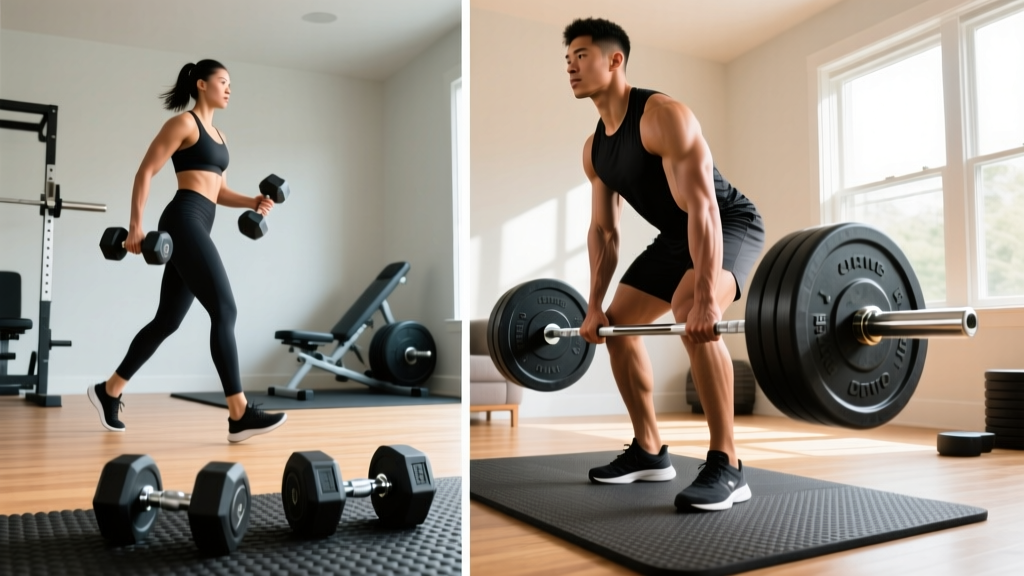
Power Walking With Dumbbells to Lifting: Olympic vs Standard Plates
Transition from power walking with dumbbells to heavy lifting. This step-by-step guide compares Olympic vs standard weight plates for your 2026 home gym.

The Progression: From Power Walking With Dumbbells to Barbell Training
Every serious lifter starts somewhere. For many beginners, the fitness journey begins with low-impact, high-reward routines like power walking with dumbbells. Gripping a pair of 3 lb to 5 lb neoprene hex dumbbells while maintaining a brisk 3.5 mph pace is an excellent way to build baseline cardiovascular endurance, improve postural stability, and develop initial grip strength. According to Harvard Health Publishing, adding light resistance to walking routines can increase caloric expenditure and engage the upper body musculature without overwhelming the central nervous system.
However, as your connective tissues adapt and your neuromuscular efficiency improves, those 5 lb dumbbells will no longer provide the mechanical tension required for progressive overload. To continue building bone density and lean muscle mass in 2026, you must transition to barbell training. This brings you to the most critical foundational purchase for your home gym: weight plates.
The market is split into two distinct ecosystems: Standard (1-inch hub) and Olympic (2-inch hub). Choosing the wrong type can result in wasted money, limited progress, and even equipment failure. This step-by-step guide will walk you through the exact specifications, failure modes, and financial realities of both options so you can build a gym that scales with your strength.
Step 1: Demystifying Standard Weight Plates (1-Inch Hub)
Standard weight plates feature a 1-inch (25.4mm) center hole and are designed to slide onto standard straight bars or EZ-curl bars. They are the most common entry-level plates found in big-box sporting goods stores.
Materials and Construction
- Cast Iron: The traditional choice. Durable, relatively compact, and coated in enamel or matte paint to prevent rust.
- Cement/Vinyl-Filled: A cheaper alternative where a plastic shell is filled with concrete. These are notoriously bulky; a 45 lb cement plate can measure up to 14.5 inches in diameter, severely limiting your range of motion on exercises like Romanian deadlifts.
The Verdict on Standard Plates
Standard plates are strictly for beginners who are certain they will not exceed a 200 lb total lift (bar + plates) within the next 12 months. They cost roughly $1.00 to $1.50 per pound, making them attractive for extreme budgets, but they possess virtually zero resale value in the secondary market.
Step 2: Evaluating Olympic Weight Plates (2-Inch Hub)
Olympic weight plates feature a 2-inch (50.4mm) center hole, designed to fit onto Olympic barbells equipped with rotating sleeves (using bushings or needle bearings). This is the universal standard for commercial gyms, powerlifting federations, and serious home garages.
Types of Olympic Plates
- Cast Iron / Machined Steel: Ideal for powerlifting. Calibrated steel plates (like those from Eleiko) are incredibly thin, allowing you to load maximum weight onto the bar's sleeve length.
- Rubber / Urethane Grip Plates: Coated in virgin rubber or urethane with built-in hand grips. The Rogue LB Training Plates are a prime example, offering a 3-hole grip design that makes loading and unloading the bar significantly easier while protecting your garage floor from minor scuffs.
- Bumper Plates: Made of dense crumb rubber or virgin rubber, designed to be dropped from overhead during Olympic weightlifting (snatches, cleans) without shattering or destroying your platform.
Step 3: Head-to-Head Comparison Matrix
To visualize the differences, review this direct comparison matrix outlining the core specifications you need to know before purchasing.
| Feature | Standard Plates (1-Inch) | Olympic Plates (2-Inch) |
|---|---|---|
| Center Hole Diameter | 1 inch (25.4mm) | 2 inches (50.4mm) |
| Average Cost Per Pound | $1.00 - $1.50 | $2.50 - $4.50 |
| Safe Max Load (Bar + Plates) | ~200 - 250 lbs | 500 - 1,500+ lbs |
| Barbell Sleeve Rotation | None (Fixed) | Yes (Bushings/Bearings) |
| Resale Value | Very Low (Hard to sell) | High (Holds 70-80% value) |
| Space Efficiency (45lb Plate) | ~1.2 inches thick (Iron) | ~1.1 inches thick (Iron) |
Step 4: Calculating Your Home Gym Footprint and Budget
Transitioning from light cardio to heavy compound lifting requires a strategic financial approach. Here is a step-by-step breakdown of how to budget for your first Olympic plate setup in 2026.
The 'Starter 160' Olympic Package
Instead of buying random plates, purchase a mathematically sound starter set that allows for 5 lb micro-progressions. Look for a cast-iron or rubber-grip set totaling 160 lbs:
- (2x) 45 lb plates
- (2x) 25 lb plates
- (2x) 10 lb plates
- (4x) 5 lb plates
Estimated Cost: At an average of $2.80 per pound for imported cast iron, this 160 lb package will cost roughly $448, plus $60-$100 in freight shipping. Pair this with a 45 lb, 190k PSI Olympic barbell ($150-$200), and your total entry cost is around $650. While this is triple the cost of a standard Walmart weight set, the Olympic setup will last a lifetime and can be resold for nearly what you paid if you ever upgrade to calibrated competition plates.
Step 5: The Hybrid Transition Strategy
Just because you are investing in Olympic plates does not mean you should abandon your previous routines. The most effective home gym programming utilizes a hybrid approach.
Maintaining the Cardio Base
Continue your power walking with dumbbells on active recovery days. While your central nervous system recovers from heavy Olympic barbell squats and deadlifts, a 30-minute walk with 5 lb dumbbells promotes blood flow, aids in lactic acid clearance, and maintains your cardiovascular baseline without adding systemic fatigue.
Accessory Work Integration
Use your Olympic plates for the primary compound movements (Squats, Deadlifts, Bench Press, Overhead Press). Then, transition to adjustable dumbbells or kettlebells for unilateral accessory work (Bulgarian split squats, lateral raises, lunges). This ensures you are maximizing the mechanical tension of the heavy plates while still addressing muscular imbalances.
Frequently Asked Questions
Can I use Olympic plates on a standard 1-inch bar?
No. The 2-inch hole of an Olympic plate will not grip a 1-inch standard bar. While cheap plastic adapters exist, they are highly dangerous and can slip during a lift, causing severe injury. Always match the plate hub to the barbell sleeve diameter.
Are standard weight plates completely obsolete in 2026?
Not entirely. Standard plates are still useful for specific legacy machine attachments (like older plate-loaded leg extensions or lat pulldown machines) that feature 1-inch guide rods. However, for free-weight barbell training, they are universally considered a dead-end investment.
What is the best plate material for a garage gym?
For a garage gym where temperature fluctuations can cause condensation, urethane-coated Olympic plates are superior to bare cast iron. Urethane does not degrade, smell, or chip like cheap rubber, and it completely seals the iron core from humidity and rust.
The Bottom Line: Your fitness journey may start with the simple, rhythmic motion of power walking with dumbbells, but true physical transformation requires progressive overload. Skip the standard 1-inch plates, invest in a quality Olympic barbell and plate set, and build a foundation that will support your strength goals for decades to come.
More gear to consider
All reviews
Dumbbell Cross Body Raise to Barbell: Weight & Knurling Guide

Bumper vs Iron Plates: Space Layouts & Wide Dumbbell Curl Zones

Market Trends: EZ Bar vs Straight Bar & Alternating Dumbbell Press

EZ Curl Bar vs Straight Bar & Dumbbell Shrugs Traps Guide
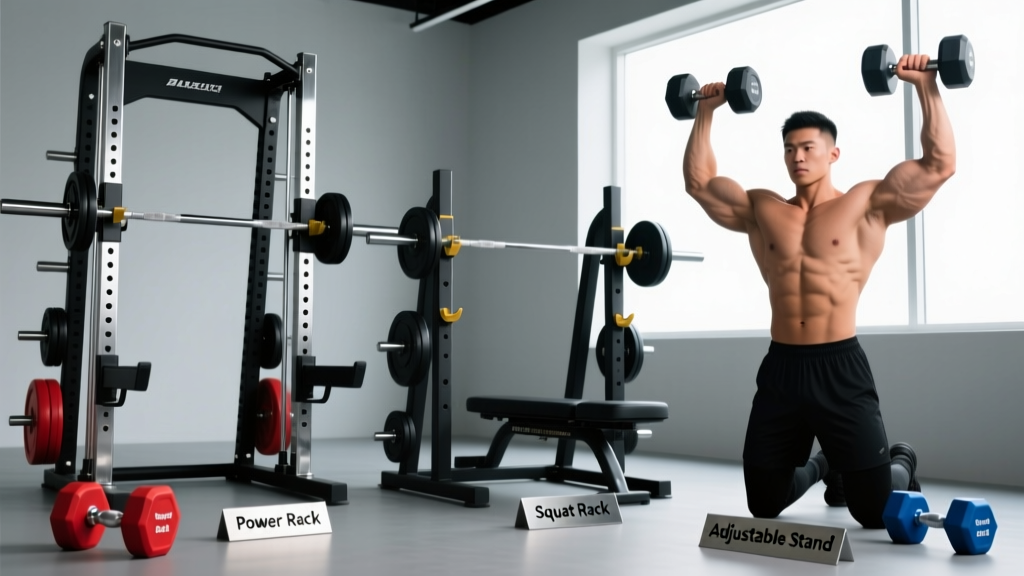
Power vs Squat Rack Setup & What Muscles Do Dumbbell Shoulder Press Work
