
Power Rack vs Squat Rack vs Squat Stand: Dumbbell Kickstand RDL
Compare power racks, squat racks, and squat stands for your 2026 home gym. Discover which setup optimizes space for heavy lifts and the dumbbell kickstand RDL.

The Architecture of Home Gym Racking
Building a home gym in 2026 requires balancing safety, spatial constraints, and exercise versatility. While heavy barbell squats and bench presses usually dictate your primary equipment purchase, accessory movements demand equal consideration. A prime example is the dumbbell kickstand RDL (B-stance Romanian Deadlift), an essential unilateral hip-hinge exercise that requires specific floor clearance, dumbbell storage, and unobstructed movement paths. Choosing between a power rack, a squat rack, and a squat stand is not just about max weight capacity; it is about how the equipment integrates with your complete training repertoire.
Many lifters make the mistake of purchasing a fully enclosed power rack for their basement, only to realize the front crossmembers and uprights physically block their range of motion during staggered-stance dumbbell work. Conversely, budget-conscious buyers often opt for minimal squat stands, only to face tipping hazards and a lack of integrated storage for heavy dumbbells. This guide breaks down the structural differences, market-leading models, and spatial requirements to help you engineer the perfect lifting environment.
Decoding the Rack Taxonomy
Power Racks (Full Cages)
Power racks feature four or six vertical uprights connected by crossmembers, creating a fully enclosed cage. They offer the highest safety margins, utilizing catch-all safety straps or pin-pipe safeties that run the entire interior depth of the rack. Models like the REP Fitness PR-4000 utilize 1-inch Westside hole spacing in the bench zone, making them ideal for heavy pressing. However, their massive footprint (typically 47x47 inches or larger) and front lower crossmembers can impede exercises that require a deep backward hip hinge or staggered foot placement.
Squat Racks (Open-Front Cages)
Squat racks generally feature four posts but leave the front completely open, or they utilize six posts with integrated dumbbell or plate storage on the sides. The open front allows lifters to step inside or outside the rack freely. This design is highly advantageous for movements that require extra depth, such as the dumbbell kickstand RDL, because there is no front base bar to trip over when stepping forward to drop heavy implements.
Squat Stands (Independent Uprights)
Squat stands consist of two independent vertical posts with attached spotter arms. The Rogue SML-1 Monster Lite Squat Stand is a benchmark in this category, constructed from 2x3-inch 11-gauge steel. Squat stands offer the ultimate freedom of movement and the smallest footprint, but they require bolting to a concrete floor or a heavily weighted platform to prevent catastrophic tipping during re-racking or failed lifts.
2026 Market Leaders: Head-to-Head Comparison
| Model | Type | Footprint (L x W) | Capacity | Est. Price (2026) | Best For |
|---|---|---|---|---|---|
| REP Fitness PR-4000 | Power Rack | 47' x 47' | 1,000 lbs | $749+ | Heavy barbell work, full safety enclosure |
| Rogue SML-1 | Squat Stand | 49' x 32' | 1,000 lbs | $495 | Garage gyms, open floor plans, Olympic lifts |
| Titan Fitness X-2 | Squat Stand | 23' x 28' | 800 lbs | $349 | Tight spaces, budget builds, apartment gyms |
| Bells of Steel Residential | Squat Rack | 48' x 48' | 1,000 lbs | $599 | Integrated storage, versatile accessory work |
When analyzing these models, note that the Titan X-2 utilizes 2x2-inch steel, which limits attachment compatibility compared to the 2x3-inch or 3x3-inch uprights found on the Rogue and REP models. If you plan to add landmine attachments, monolifts, or lat-pulldown towers in the future, investing in 3x3-inch uprights with 1-inch or 5/8-inch hardware is highly recommended.
Spatial Demands of the Dumbbell Kickstand RDL
The dumbbell kickstand RDL is a highly effective unilateral exercise designed to isolate the hamstrings and glutes of the working leg while the trailing leg acts purely as a balance kickstand. According to exercise biomechanics data from ExRx.net, the Romanian deadlift relies on a deep hip hinge with minimal knee flexion, requiring significant posterior chain mobility and spatial clearance behind the lifter.
Why does this matter for your rack choice? When performing heavy dumbbell RDLs, lifters typically hinge backward, pushing their hips 12 to 18 inches behind their starting heel position. If you are standing inside a standard 47-inch deep power rack, a 6-foot-tall lifter will inevitably collide with the rear uprights or safety straps. Furthermore, the staggered stance of the kickstand variation requires lateral balance adjustments. Enclosed power racks restrict this natural lateral sway, forcing the lifter to alter their biomechanics to avoid clipping the steel posts.
Biomechanics & Floor Space Callout
The Clearance Rule: To safely execute the dumbbell kickstand RDL with heavy implements (50-100+ lbs per hand), you need a minimum of 4 feet of unobstructed depth behind your starting line. If using a power rack, you must perform the exercise completely outside the cage, which negates the benefit of internal safety spotters if a lifter loses grip or balance.
Dumbbell Storage and Floor Protection
Heavy dumbbell training introduces a secondary logistical challenge: storage and floor preservation. A commercial-grade set of urethane dumbbells ranging from 10 to 100 lbs can easily exceed $3,000 in 2026. Dropping these implements on bare concrete will shatter the urethane coating and crack your foundation.
Integrating Storage with Your Rack
- Power Racks: Most require add-on weight storage horns. While convenient for plates, storing large hex dumbbells on vertical horns can be precarious. Tray-style storage attachments are available but consume valuable exterior footprint.
- Squat Racks: Many modern squat racks feature built-in side wings or vertical saddles specifically designed for dumbbell tiers, keeping the floor clear and the weights within arm's reach.
- Squat Stands: Offer zero integrated storage. You must purchase a standalone 3-tier dumbbell rack, which requires an additional 4x2 foot footprint in your gym layout.
For the kickstand RDL, lifters often pick up heavy dumbbells from the floor or a low bench. If your gym utilizes 3/4-inch horse stall mats over concrete, the mats will absorb the shock of setting down heavy dumbbells, but they will not protect the knurling or coating of the dumbbells themselves. Using specialized dumbbell drop pads or a dedicated rubber lifting platform is essential for high-volume unilateral work.
Edge Cases and Installation Failures
When configuring your space for both heavy barbell lifts and unilateral dumbbell work, be aware of these common failure modes:
- The Tipping Hazard: Squat stands are inherently top-heavy. If you fail to bolt a Rogue SML-1 into concrete, the dynamic force of re-racking a 300-lb barbell can tip the entire unit forward. If you cannot drill into your floor, you must build a reinforced plywood platform and bolt the stands to the wood, using the weight of the platform as an anchor.
- Ceiling Height Restrictions: Standard power racks are 80 to 90 inches tall. If your basement ceiling is 84 inches, you will not have enough clearance for pull-ups or overhead presses. In this scenario, a 72-inch short squat stand is mandatory, though it limits the height at which you can safely spot a squat.
- Crossmember Tripping: Many budget power racks feature raised front crossmembers that sit 2 to 4 inches off the floor. During the eccentric phase of a kickstand RDL, if you step backward to reset, your trailing foot will catch on this bar, leading to severe ankle sprains or dropped weights.
The Final Decision Framework
Selecting the right equipment hinges on your primary training modality and your room's physical dimensions. Use this framework to finalize your 2026 purchase:
Choose a Power Rack if: Your programming is 80% barbell-focused (heavy squats, bench, rack pulls), you have a dedicated room with a 9-foot ceiling, and you prioritize maximum safety for solo training. You will need to perform your dumbbell kickstand RDLs outside the rack in the open floor space.
Choose a Squat Rack if: You want the safety of four uprights and integrated storage, but need an open front to seamlessly transition between barbell squats and heavy unilateral dumbbell hinges without navigating around a front base bar.
Choose Squat Stands if: You are training in a garage or shared space where equipment must be pushed against a wall when not in use. Squat stands provide the ultimate unobstructed floor plan for expansive dumbbell movements like the kickstand RDL, provided you have the means to securely bolt them to the ground or a heavy platform.
More gear to consider
All reviews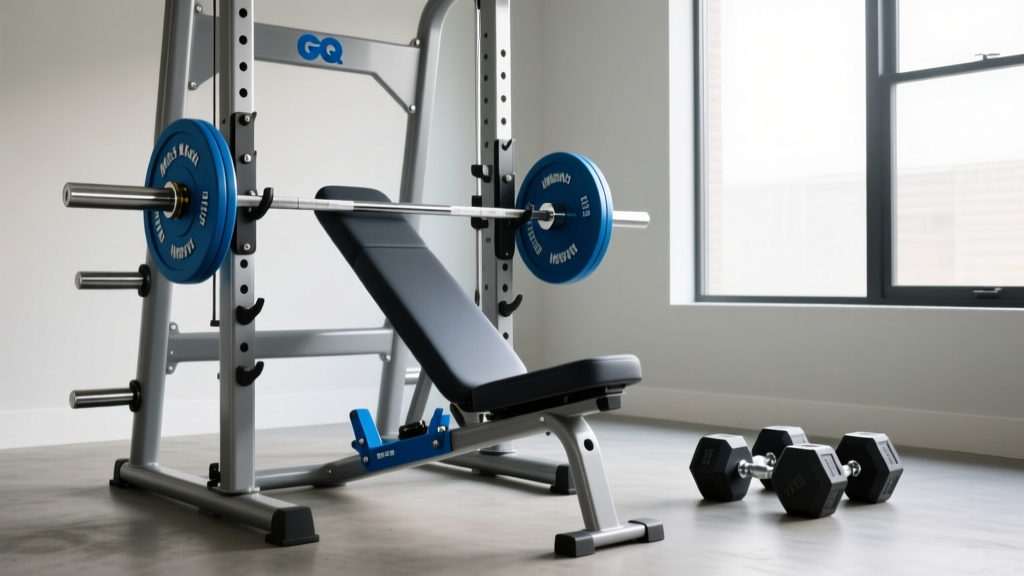
Chest Station Setup: Barbell Clamps & Dumbbell Fly for Upper Chest

Bumper vs Iron Plates: Deadlifts & Dumbbell Swing Muscles Worked

Barbell Collar Clamps 2026: Types & Dumbbell Reverse Fly GIF Tips

Dumbbell Rack Maintenance & Storage for Tricep Workouts with Dumbbells

Power Rack vs Squat Rack: Are RDLs Better With Dumbbells or Barbell?
