Shoulder Workout with Dumbbells at Home: The Barbell Upgrade Guide
Maxed out your shoulder workout with dumbbells at home? Discover our in-depth Olympic barbell buying guide covering weight tolerances and knurling.

Shoulder Workout with Dumbbells at Home: The Barbell Upgrade Guide
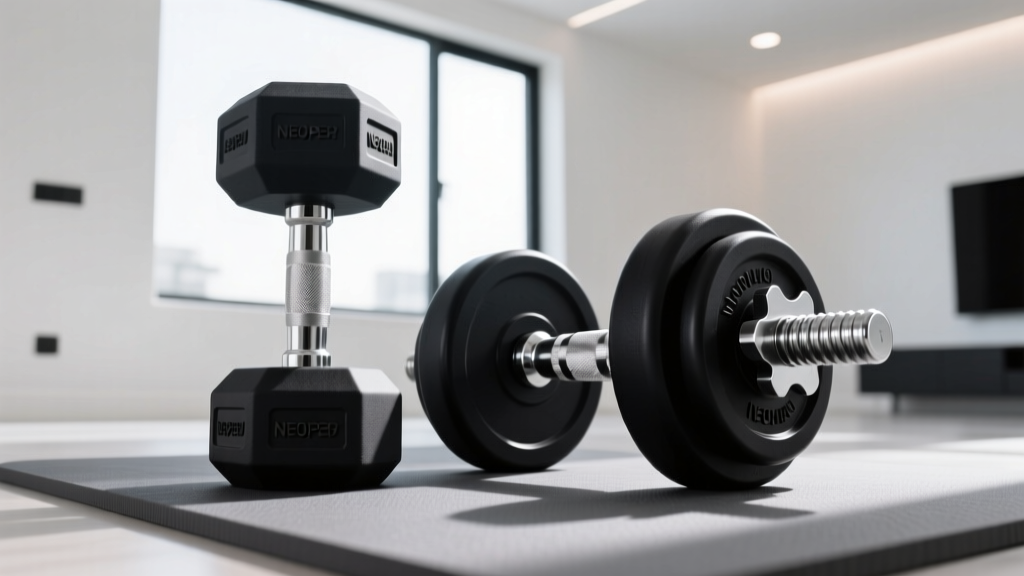
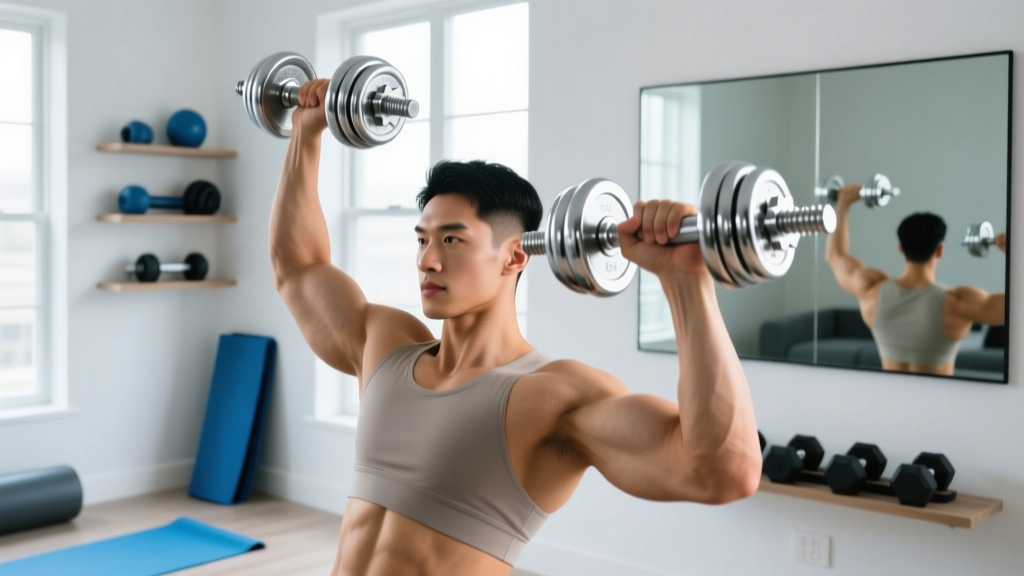
When you first design a shoulder workout with dumbbells at home, adjustable dumbbells or a modest set of hex bells are all you need. Lateral raises, Arnold presses, and front raises with 25lb to 50lb dumbbells provide immense stimulus for hypertrophy. However, as your deltoids and triceps adapt, you will inevitably hit a biomechanical and logistical ceiling. Balancing 90lb dumbbells for a strict overhead press requires more stabilization energy than actual prime-mover force, limiting your progressive overload.
The natural evolution of your home gym is transitioning to an Olympic barbell. But buying a barbell is not like buying dumbbells; it is a precision metallurgical investment. This in-depth buying guide breaks down the critical nuances of Olympic barbell weight tolerances, tensile strength, and knurling patterns to ensure your next overhead press is safe, stable, and built to last.
The Biomechanical Ceiling of Dumbbells for Overhead Pressing
Before diving into barbell specifications, it is vital to understand why you are upgrading. A heavy shoulder workout with dumbbells at home eventually becomes limited by grip strength and the sheer physical awkwardness of hoisting massive dumbbells into the starting position. An Olympic barbell allows you to clean the weight to your shoulders or unrack it safely, channeling 100% of your central nervous system (CNS) output into the concentric pressing phase. To handle heavy loads (185lbs to 225lbs+) safely, the barbell must possess specific engineering traits that prevent permanent deformation and hand tearing.
Decoding Olympic Barbell Weight and Tensile Strength
The most misunderstood metric in barbell purchasing is tensile strength, measured in Pounds per Square Inch (PSI). This number dictates how much weight the bar can hold before it permanently bends. According to Rogue Fitness engineering standards, a quality multi-purpose barbell should sit comfortably above the 190,000 PSI threshold.
The PSI Hierarchy for Home Gyms
- 165,000 PSI or lower: Entry-level. Will permanently bend if dropped with heavy bumper plates or loaded past 300lbs. Avoid for serious overhead pressing.
- 190,000 PSI - 200,000 PSI: The 'Goldilocks' zone. Offers enough stiffness for heavy strict presses, but enough 'whip' (flex) for dynamic Olympic movements like push-presses and cleans.
- 215,000+ PSI: Elite powerlifting and weightlifting specs. Extremely stiff. Ideal for heavy squats and bench presses, but can feel jarring during high-rep overhead pressing.
Weight tolerance also ties into the shaft diameter. A standard 28.5mm shaft is optimal for weightlifting and overhead pressing, allowing for a secure hook grip without overtaxing the forearm flexors. A 29mm shaft is better suited for slow, heavy powerlifting movements.
Knurling Profiles: Volcano, Mountain, and Hill
Knurling is the cross-hatched pattern machined into the steel shaft. For a heavy shoulder workout with dumbbells at home, grip is rarely an issue due to the ergonomic handles. With a barbell, however, a sweaty palm during a 200lb strict press can result in a missed lift or a crushed collarbone. As detailed in BarBend's comprehensive knurling analysis, the geometry of the knurl dictates both grip security and skin preservation.
1. Volcano Knurling (The Gold Standard)
Volcano knurling features a diamond shape with the sharp peak machined off, leaving a crater-like rim. This provides maximum surface area for grip without acting like a cheese grater on your calluses. The Rogue Ohio Bar 2.0 and Rep Fitness Colorado Bar both utilize refined volcano knurling, making them perfect for high-volume pressing and dynamic movements.
2. Mountain Knurling (Aggressive)
Mountain knurling leaves the sharp peak intact. It bites deeply into the skin, which is necessary for 1-rep max deadlifts or heavy squats where chalk and sweat compromise grip. However, for frequent overhead pressing, mountain knurling will tear your hands and require excessive recovery time.
3. Hill Knurling (Passive)
Hill knurling is flat and smooth. Often found on cheap, big-box-store barbells, it offers virtually no grip security once you begin sweating. Avoid this at all costs for serious home gym setups.
2026 Barbell Comparison Matrix: Top Picks for the Overhead Press
The market has stabilized as of 2026, with composite coatings and advanced machining becoming standard even in the mid-tier price bracket. Below is a comparison of three top-tier barbells optimized for home gym pressing and general strength.
| Model | Tensile Strength | Knurl Type | Shaft Diameter | Est. Price (2026) |
|---|---|---|---|---|
| Rogue Ohio Bar 2.0 | 190,000 PSI | Volcano | 28.5mm | $295 |
| Rep Fitness Colorado Bar | 190,000 PSI | Volcano | 28.5mm | $239 |
| Kabuki Strength New Gen | 250,000 PSI | Aggressive Volcano | 29mm | $345+ |
Sleeve Construction: Bushings vs. Bearings
When transitioning from a shoulder workout with dumbbells at home to barbell pressing, the rotation of the sleeves becomes a new variable. The sleeves (where the weight plates load) spin independently of the shaft to prevent torque from transferring to your wrists during dynamic movements.
- Bronze Bushings: Self-lubricating bronze rings that provide a slow, controlled spin. This is ideal for overhead pressing, benching, and squatting, as it keeps the bar stable in your hands.
- Needle Bearings: Provide a lightning-fast, frictionless spin. Essential for Olympic weightlifting (snatches, clean and jerks) where the bar must rotate rapidly in the air, but can feel overly 'twitchy' during a slow, strict military press.
Expert Insight: If your primary goal is a heavy strict press and general hypertrophy, a high-quality bushing bar will outperform a cheap bearing bar every time. Bearings require precise manufacturing; low-end bearing bars often seize up and become completely rigid within a year of home gym use.
Center Knurl: Do You Need It?
Many traditional power bars feature a 'center knurl'—a strip of knurling in the exact middle of the shaft designed to grip the back of your t-shirt during heavy squats. For overhead pressing, the center knurl is irrelevant, as the bar rests on your front deltoids and clavicle. In fact, an aggressive center knurl can scrape your collarbone during the clean or the bottom position of a front squat. If your home gym routine is strictly focused on pressing, deadlifting, and bodybuilding movements, a bar without a center knurl (or with a very passive one) will be much more comfortable.
Frequently Asked Questions (FAQ)
Will a Cerakote barbell rust in an unconditioned garage?
Cerakote is a ceramic-polymer coating originally designed for firearms. As of 2026, it remains the absolute best protection against oxidation for home gyms in humid climates or unconditioned garages. Unlike bare steel or even zinc, Cerakote seals the steel entirely. However, the knurling itself is often left bare or coated in black oxide, so you must still brush the knurling after use.
How much 'whip' is too much for the strict press?
Whip refers to the elastic deformation of the barbell under load. A 15kg (33lb) technique bar will whip dangerously with just 135lbs loaded, making the bar oscillate wildly at the top of a strict press, forcing your stabilizers to work overtime. A standard 20kg (44lb) bar with 190k PSI tensile strength offers the perfect balance: it remains rigid during the press but won't snap under heavy loads.
How do I maintain the knurling on my Olympic barbell?
Chalk (magnesium carbonate) gets packed into the knurling valleys, creating a smooth, slippery surface over time while trapping moisture against the steel. You must use a stiff nylon brush (never wire, which strips the coating) to scrub the knurling weekly. Apply a light coat of 3-in-One oil or mineral oil to a rag and wipe down the shaft once a month to displace ambient moisture.
Final Verdict: Upgrading Your Home Gym
Mastering a shoulder workout with dumbbells at home is a fantastic foundation for deltoid development and joint stability. But to unlock elite-level overhead strength, you need the bilateral stability and infinite scalability of an Olympic barbell. By prioritizing a 190,000 PSI tensile strength, a 28.5mm shaft, and a refined volcano knurl, you will secure a piece of equipment that not only shatters your pressing plateaus but will easily outlast your lifting career. Invest in the steel, respect the knurl, and press heavy.
More gear to consider
All reviews
Fix Your Reverse Dumbbell Row: Olympic vs Standard Plate Errors

Power Rack vs Squat Stand for Your Womens Full Body Dumbbell Workout

Beyond the Best Full Body Workout With Dumbbells: Kettlebell Guide

Power Rack vs Squat Rack vs Stand: Setup for Russian Deadlift with Dumbbells

Barbell or Dumbbell Bicep Curls: Neoprene Mistakes & Fixes