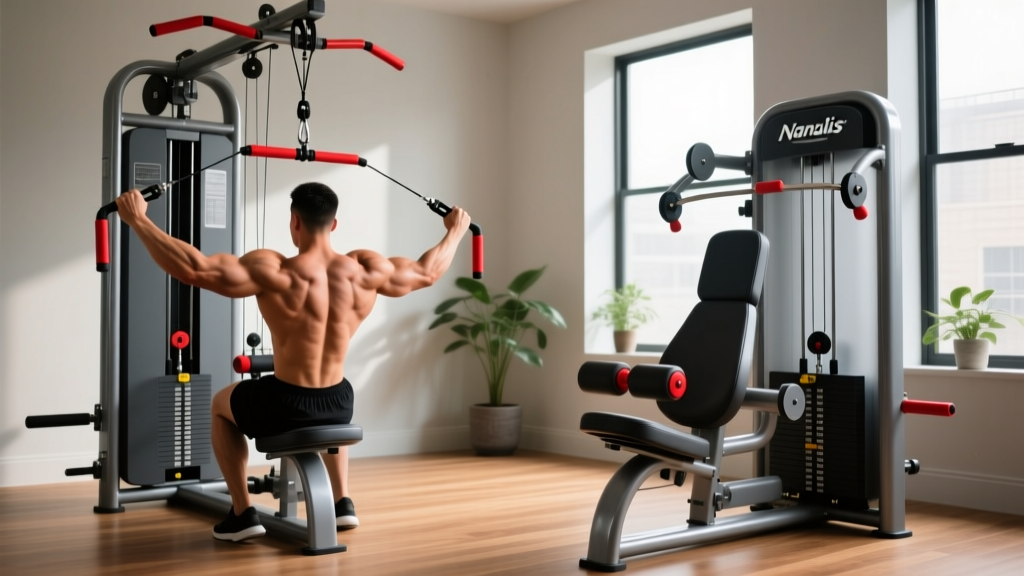
Planet Fitness Chest Press Machine Weight vs Home Pec Deck Value
Compare the Planet Fitness chest press machine weight ratios to home pec deck costs. Discover the true value of buying a butterfly machine in 2026.

For many lifters, the commercial gym is the starting line of their fitness journey. A common point of confusion for beginners and intermediate lifters alike is the actual resistance they are moving on selectorized equipment. Specifically, the search for the true planet fitness chest press machine weight yields a lot of frustration, as the numbers on the weight stack rarely match the physical effort required to move the handles. Understanding these commercial pulley ratios is the first step in making an informed, budget-conscious decision when transitioning to home gym equipment—specifically when evaluating the cost and value of a dedicated pec deck or butterfly machine.
In this comprehensive 2026 guide, we will decode the biomechanics and weight ratios of commercial chest presses, bridge that knowledge to isolation fly movements, and provide a rigorous budget breakdown for bringing a high-quality pec deck machine into your home gym.
Decoding the Planet Fitness Chest Press Machine Weight
When you sit down at a standard commercial chest press—often a Matrix Connexus or Life Fitness Integrity series unit found in Planet Fitness locations—the weight stack typically maxes out at 200 or 250 pounds. However, the planet fitness chest press machine weight you feel is not a 1:1 ratio.
Expert Insight: The 2:1 Pulley RatioMost commercial selectorized chest presses utilize a 2:1 or 1.5:1 mechanical advantage pulley system. This means that if you pin 200 lbs on the stack, the actual resistance delivered to the handles is only 100 to 133 lbs. This design reduces friction, extends cable life, and provides a smoother concentric and eccentric phase, but it severely skews a lifter's perception of their true pressing strength.
Why does this matter for your home gym budget? Because when you transition from a 2:1 commercial press to a 1:1 plate-loaded home butterfly machine or a direct-resistance cable crossover, a 100 lb load will suddenly feel twice as heavy. Recognizing this discrepancy prevents you from under-buying weight plates or selecting a home pec deck with an inadequate weight stack ceiling.
The Biomechanical Bridge: From Press to Pec Deck
While the chest press is a compound movement heavily recruiting the anterior deltoids and triceps, the pec deck (or butterfly machine) is an isolation movement designed to target the sternal head of the pectoralis major. According to a comprehensive electromyographical (EMG) analysis published by the National Institutes of Health (NCBI), the pec deck elicits peak muscle activation in the chest while minimizing triceps involvement, making it a superior tool for targeted hypertrophy and pre-exhaustion protocols.
Biomechanically, the butterfly machine keeps the elbow joint at a fixed, slightly bent angle, removing the lever-arm disadvantage that occurs at the bottom of a dumbbell fly. As noted by the exercise kinesiology database ExRx.net, the cam or pulley system on a pec deck maintains constant tension on the pectoral fibers throughout the entire range of motion, unlike free weights where tension drops off at the top of the movement.
2026 Home Pec Deck & Butterfly Machine Budget Breakdown
If you are ready to invest in dedicated chest isolation, the market in 2026 offers three distinct tiers. Below is a value analysis comparing plate-loaded budget models, mid-range selectorized units, and premium functional trainers.
| Equipment Tier & Model | Mechanism | Avg. Cost (2026) | Footprint (L x W) | Max Resistance |
|---|---|---|---|---|
| Budget: Powerline PFM200X | Plate-Loaded | $239 - $279 | 71" x 33" | User Dependent (up to 200+ lbs) |
| Mid-Range: Body-Solid SDBC-10G | Selectorized (150lb stack) | $599 - $699 | 65" x 40" | 150 lbs (1:1 ratio) |
| Premium: Rogue Monster Lite Crossover | Dual Cable Stack (2x200lb) | $1,850 - $2,200 | 83" x 53" | 400 lbs total (adjustable pulleys) |
Tier 1: The Budget Plate-Loaded Route
The Powerline PFM200X is the undisputed king of budget butterfly machines. At under $300, it offers excellent value. However, because it is plate-loaded, you must factor in the cost of Olympic or standard weight plates. Furthermore, loading and unloading plates between sets disrupts the metabolic flow of drop-sets and rest-pause training, which are highly effective for chest hypertrophy.
Tier 2: The Selectorized Sweet Spot
The Body-Solid SDBC-10G represents the best pure value for dedicated isolation. The 150 lb weight stack is more than sufficient for the vast majority of lifters performing strict pec deck flies. Because it uses a 1:1 pulley ratio, 100 lbs on this machine will feel significantly heavier than 100 lbs on a commercial Planet Fitness chest press. The quick-adjust pin makes drop-sets seamless, justifying the $600 price tag for serious hypertrophy trainees.
Tier 3: The Functional Trainer Approach
While not a traditional "butterfly" machine, a cable crossover like the Rogue Monster Lite allows for adjustable cable flies. The value here is versatility—you can perform presses, triceps pushdowns, and lat pulldowns. However, the spatial footprint is massive, and the cost is prohibitive if chest isolation is your only goal.
Space Planning and Installation Edge Cases
When budgeting for a home pec deck, the sticker price is only half the equation. You must account for spatial clearance and floor reinforcement.
- Operational Clearance: A machine with a 65-inch physical footprint actually requires an 85-inch operational footprint. You need a minimum of 12 inches on either side for the weight stack to breathe and for you to safely exit the machine, plus 10 inches behind for the selector pin clearance.
- Pad Degradation: Budget machines (under $300) typically use vinyl-covered foam pads that compress and tear within 18 months of heavy use. Mid-range units like Body-Solid use high-density, double-stitched upholstery that withstands years of friction and sweat.
- Cable Friction and Snap Risks: In cheaper plate-loaded butterfly machines, the cables route through fixed, non-swiveling eyelets. This causes the cable to rub against the metal bracket during the eccentric phase, leading to fraying. Always inspect the cable routing; premium machines use nylon-coated, aircraft-grade steel cables routed through sealed ball-bearing pulleys.
Pro-Tip for 2026 Buyers: If you opt for a selectorized home pec deck, apply a dry PTFE (Teflon) lubricant to the guide rods every six months. Never use WD-40 or wet silicone, as these attract dust and create a grinding paste that will destroy the linear bearings and cause the weight stack to bind.
ROI Analysis: Commercial Gym vs. Home Butterfly Machine
Let us run a strict financial value analysis comparing a commercial gym membership to purchasing a mid-range home pec deck. Assume a standard Planet Fitness Black Card membership at $24.99 per month, plus a $49 annual maintenance fee.
3-Year Commercial Gym Cost:
($24.99 x 36 months) + ($49 x 3 years) = $1,046.64
3-Year Home Pec Deck Cost (Body-Solid SDBC-10G):
$649 (Machine) + $50 (Floor mats/shipping) = $699.00
By month 22, the home machine has entirely paid for itself. Beyond month 22, every workout is essentially free. Furthermore, you eliminate the 30-minute round-trip commute, saving roughly 4 hours a month in logistics alone. For lifters who prioritize chest isolation and superset training without waiting for a machine to free up during peak 5:00 PM gym hours, the home pec deck offers an unquantifiable premium in time-value.
Final Verdict: Maximizing Your Chest Training Budget
Understanding the true planet fitness chest press machine weight and its 2:1 pulley mechanics is crucial for setting realistic strength baselines. When you transition to a home gym, you must respect the 1:1 direct resistance of dedicated isolation equipment.
If your budget is strictly under $300 and you have the space for plate loading, the Powerline PFM200X is a capable entry point. However, for the optimal blend of biomechanical tension, drop-set capability, and long-term durability, the $600-$700 selectorized mid-range tier remains the undisputed champion of home chest training value in 2026. Invest in the selectorized stack, maintain your cables, and enjoy uninterrupted, high-tension hypertrophy sessions in the comfort of your own garage.
More gear to consider
All reviews
Chest Press Machine Proper Form & Bench Press Rack Safety Budget Guide

Budget Breakdown: How to Use Chest Press Machine & Pec Deck

Cable Crossover vs Chest Press Bench Machine: 2026 Guide

Space Layout: Bench Press Rack, Spotter Arms & Legs Press Machine

Plunge Necklines: 7 Common Fit and Styling Mistakes That Sabotage Your Silhouette