Pink Home Gym Maintenance Guide for Small Apartments
Learn how to protect and maintain your pink home gym equipment in small apartments. Expert tips on preventing dust, fading, and wear in compact spaces.

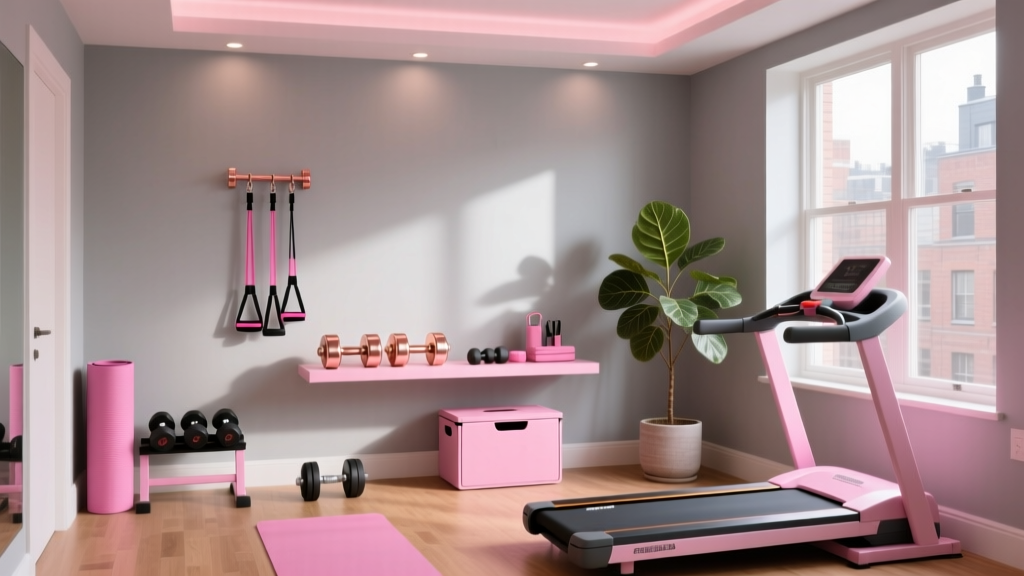
The aesthetic fitness movement has completely transformed how we approach our personal workout spaces. Curating a visually inspiring environment is no longer just about motivation; it is about creating a sanctuary that reflects your personal style. The pink home gym trend—featuring rose-gold anodized aluminum accessories, custom powder-coated kettlebells, and pastel neoprene dumbbells—has become a massive staple in apartment living and compact urban setups. However, designing a beautiful space is only half the battle. When you are working with a tight footprint, maintaining the longevity and pristine finish of your aesthetic gear requires a highly specific approach.
In a small apartment gym, equipment is stored closer together, airflow is often restricted, and ambient humidity can spike dramatically during a heavy HIIT session. These micro-environmental factors accelerate wear and tear, causing custom colors to fade, metals to oxidize, and polymers to degrade. If you want your compact, color-coordinated sanctuary to survive the long haul, you must implement a rigorous maintenance strategy tailored to small-space living.
The Hidden Maintenance Challenges of Compact Spaces
When setting up a home gym in a 400-square-foot apartment or a 6x8-foot spare bedroom, the physics of your workout environment change. In a large garage or dedicated basement, sweat aerosolization and heat dissipate naturally. In a small, enclosed room, they do not.
- Aerosolized Sweat Corrosion: During intense cardio or heavy lifting, microscopic sweat droplets become airborne. In a compact room, these droplets settle on the knurling of your barbells, the adjustment dials of your compact smart mirrors, and the metal handles of your resistance band anchors. The salt content in sweat is highly corrosive and will eat through standard clear coats within months if left unchecked.
- Dust and Fiber Accumulation: Small apartment spaces often double as living areas or bedrooms. Textile dust from clothing, bedding, and upholstery circulates and clings to the slightly tacky surface of silicone and neoprene gear, embedding itself into the porous materials and causing permanent staining on light pink or pastel finishes.
- Friction and Storage Damage: When floor space is at a premium, gear is frequently stacked, shoved into closets, or leaned against walls. This constant friction causes micro-scratches on glossy pink finishes and structural creasing in yoga mats and resistance bands.
Preserving Custom Pink Finishes and Aesthetic Gear
The most common mistake apartment dwellers make is using standard household cleaners on premium fitness equipment. The vibrant pinks, rose golds, and pastels used in modern fitness gear are achieved through specific manufacturing processes—usually powder coating, anodizing, or silicone encapsulation. Harsh chemicals will strip these finishes, leaving you with dull, patchy, or rusted equipment.
⚠️ Warning: The Danger of Citrus Degreasers
Never use citrus-based cleaners (which contain d-Limonene) or ammonia-based glass cleaners on powder-coated pink steel or anodized aluminum. d-Limonene is a natural solvent that will slowly dissolve the clear top-coat on custom kettlebells and dumbbells, causing the vibrant pink pigment to chalk, fade, and eventually expose the bare steel to rust.
To maintain the pristine look of your gear, you must match the cleaning agent to the specific material composition of your equipment. Below is a definitive matrix for cleaning aesthetic fitness gear.
| Material Type | Safe Cleaning Agent | Strictly Avoid | Frequency |
|---|---|---|---|
| Powder-Coated Steel (Kettlebells, Dumbbells) | Mild dish soap (pH neutral) + warm water on a microfiber cloth | Bleach, Citrus degreasers, Steel wool | Weekly |
| Rose-Gold Anodized Aluminum (Carabiners, Rig Hardware) | Damp microfiber cloth only; dry immediately | Ammonia, Abrasive sponges, Acidic cleaners | After every use |
| Pink Neoprene / Silicone (Dumbbells, Mats, Bands) | 70% Isopropyl alcohol or dedicated yoga mat wash | Essential oils, Petroleum-based lubricants | Bi-weekly |
| Vinyl / PU Leather (Bench pads, Cable attachments) | Diluted white vinegar (1:4 ratio with water) | Alcohol (causes drying and cracking) | Weekly |
Climate Control: Combating Small-Room Humidity
In a compact apartment gym, your body heat and respiration will rapidly alter the room's climate. According to the Environmental Protection Agency (EPA), maintaining proper indoor air quality and humidity levels is critical not just for respiratory health, but for preventing the proliferation of mold and the acceleration of metal oxidation. When you exercise in a small, unventilated room, relative humidity (RH) can easily spike above 70%.
At 70% RH, the bare steel components of your adjustable dumbbells (like the internal mechanisms of Nuobell or PowerBlock sets) and the exposed shafts of your spin bike will begin to develop flash rust within 48 hours. To protect your investment, you must actively manage the micro-climate of your workout space.
Strategic Ventilation and Dehumidification
If your apartment gym lacks a window, you cannot rely on passive airflow. You must introduce mechanical climate control.
- Install a High-CFM Exhaust Fan: If you are converting a walk-in closet or a small alcove, install an inline duct fan rated for at least 200 CFM (Cubic Feet per Minute) to actively pull humid, sweat-laden air out of the space during your workout.
- Use a Compact Compressor Dehumidifier: For spaces under 150 square feet, a 20-pint to 35-pint energy-efficient dehumidifier (such as the Midea Cube series) is ideal. Set the target humidity to exactly 45% RH. This is the sweet spot that prevents rust on steel and drying/cracking on vinyl and leather bench pads.
- Air Purification for Dust: To keep dust from embedding into your pink neoprene and silicone gear, run a HEPA air purifier with an activated carbon filter. This captures both textile dust and the volatile organic compounds (VOCs) off-gassed by rubber flooring mats.
Space-Saving Storage That Prevents Material Degradation
How you store your gear in a small apartment directly dictates its lifespan. Improper storage is the number one cause of premature failure for aesthetic fitness accessories.
Never fold a TPE or PVC yoga mat, and never leave resistance bands stretched or exposed to direct UV light from a nearby window. UV radiation will break down the polymer chains, causing your vibrant pink bands to turn brittle, snap, and lose their elasticity within months.
- Mat Storage: Always roll your mats with the practice side facing out. Store them vertically in a dedicated canvas or mesh bin rather than leaning them against a wall where they can warp or develop permanent creases.
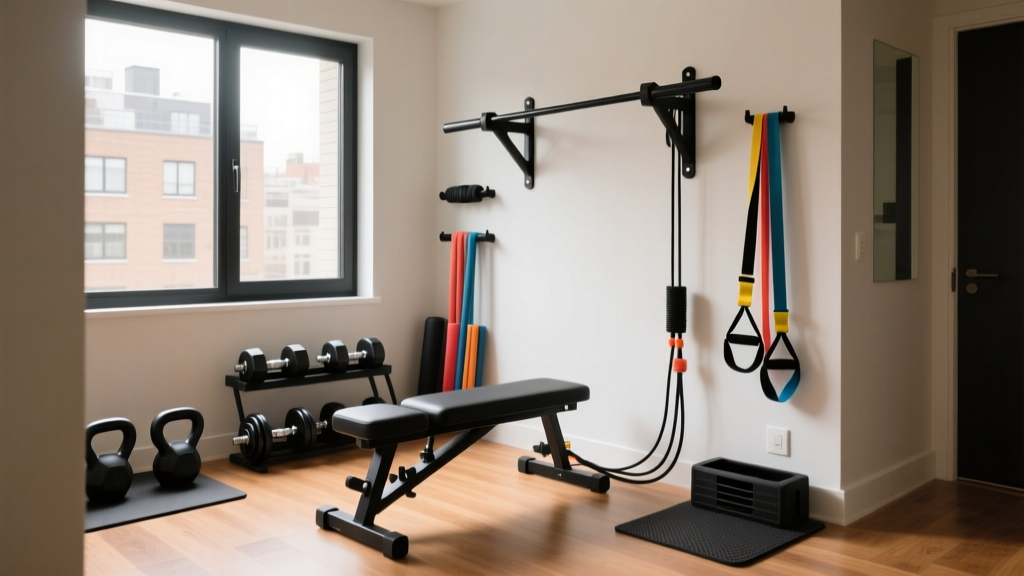
- Band Organization: Use a wall-mounted pegboard or a dedicated carabiner clip system inside a dark closet. Keep bands completely relaxed. If they are loop bands, hang them by their center point so gravity does not stretch one side more than the other.
- Dumbbell and Kettlebell Racks: If using a tiered rack, line the shelves with high-density EVA foam padding. Dropping pink powder-coated kettlebells onto bare metal or hard plastic rack shelves will cause immediate chipping, exposing the iron core to apartment humidity.
The 15-Minute Weekly Apartment Maintenance Routine
Consistency is the key to longevity. The American Heart Association emphasizes that creating a safe, clean, and inviting environment is crucial for maintaining long-term cardiovascular and strength training habits. A cluttered, degrading space will subconsciously deter you from working out. Dedicate 15 minutes every Sunday to this exact maintenance flow:
- Microfiber Wipe-Down (5 Minutes): Take a damp microfiber cloth with a drop of pH-neutral dish soap and wipe down all metal handles, knurling, and powder-coated surfaces. Follow immediately with a dry cloth to prevent water spotting.
- Flooring Deep Clean (5 Minutes): Vacuum your rubber horse-stall mats or interlocking EVA foam tiles using a brushless attachment. Sweat and dead skin cells accumulate in the seams of small-space flooring, creating a breeding ground for bacteria and odors.
- Hardware Inspection (3 Minutes): Use an Allen wrench to check the tension bolts on your adjustable bench and the mounting screws on your wall-mounted pull-up bar or band anchors. Apartment walls (often drywall) can shift slightly with humidity changes, loosening hardware over time.
- Accessory Conditioning (2 Minutes): If you have any PU leather or vinyl bench pads, apply a light coat of water-based vinyl protectant to prevent the material from drying out and cracking at the fold seams.
Building a beautiful, space-efficient pink home gym in an apartment is a fantastic way to prioritize your health without sacrificing your interior design. By respecting the unique environmental challenges of small spaces and treating your aesthetic gear with the precise chemical and physical care it requires, your compact sanctuary will remain vibrant, functional, and inspiring for years to come.
More gear to consider
All reviews
2026 Trends: Home Gym Decor Ideas for Ventilated Garage Setups

Wiring a Home Gym Overlooking Pool: 2026 Safety Trend Report
Huge Home Gym Results on a $500 Budget: 2026 Gear Showdown
How to Change Home Gym on Planet Fitness App and Wire Your Garage Safely
Small Space DIY Home Gym Ideas: Maintenance & Longevity Guide