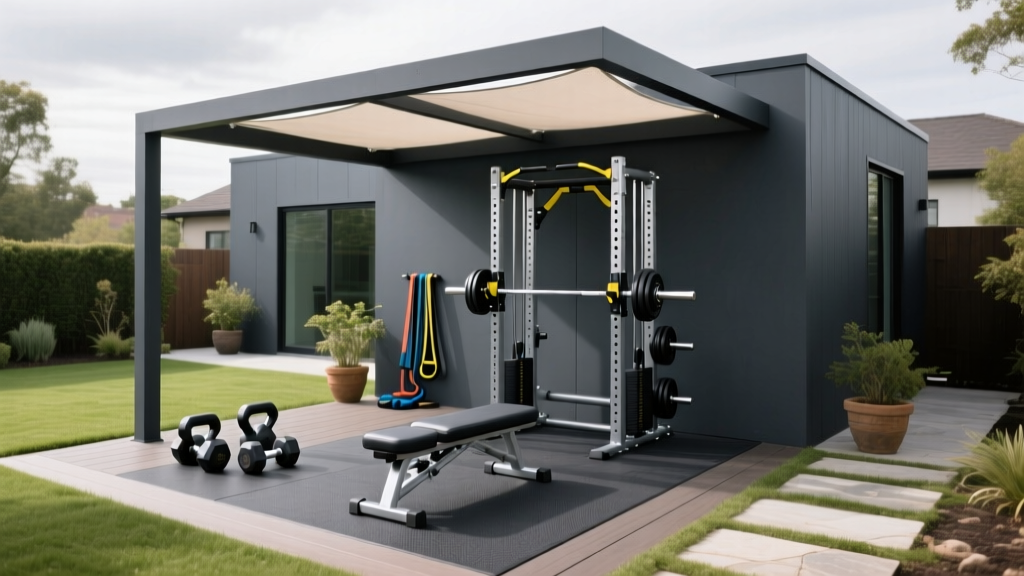
Best Paint Color for Home Gym Outdoor Structures & Weather Tips
Discover the best paint color for home gym outdoor setups. Learn thermal regulation, weatherproofing, and maintenance tips to protect your fitness gear.

The Intersection of Aesthetics and Weather Resistance
Building an outdoor home gym—whether in a converted shed, a custom-built timber pavilion, or a ventilated pergola—requires a fundamentally different approach to maintenance than an indoor garage or basement setup. When planning your exterior design, the paint color for home gym structures is not merely an aesthetic choice; it is a critical factor in thermal regulation, moisture management, and the ultimate longevity of your expensive fitness equipment. In 2026, with extreme weather patterns and prolonged summer heatwaves becoming the norm, selecting the correct exterior coating and color profile is the first line of defense against equipment degradation.
Outdoor gym structures are subjected to intense UV radiation, driving rain, and fluctuating humidity. If the exterior envelope fails, or if the chosen color absorbs excessive solar heat, the internal microclimate of your gym will destroy rubber flooring, warp nylon cables, and accelerate oxidation on steel power racks. This comprehensive guide breaks down the science of exterior paint selection, thermal dynamics, and structural weatherproofing to ensure your outdoor training space survives the elements.
How Paint Color Dictates Thermal Regulation
The most crucial metric when selecting an exterior paint color for a sun-exposed gym shed or pavilion is the Light Reflectance Value (LRV). The LRV scale runs from 0 (absolute black, absorbing all light and heat) to 100 (pure white, reflecting it). According to the U.S. Department of Energy, dark exterior surfaces can reach temperatures exceeding 150°F (65°C) in direct summer sunlight, transferring that thermal load directly into the structure's interior.
If you are storing urethane dumbbells, resistance bands, or electronics (like smart rowers or treadmills) inside a poorly insulated outdoor shed painted in a dark hue, the ambient internal temperature can easily surpass 120°F. This causes urethane to soften and emit volatile organic compounds (VOCs), while LCD screens on cardio equipment will permanently black out.
LRV and Equipment Risk Matrix
| Color Family | Avg. LRV | Peak Surface Temp (Direct Sun) | Equipment Risk Level | Best Use Case |
|---|---|---|---|---|
| Charcoal / Black | 5 - 15 | 145°F - 165°F | Extreme (High VOCs, screen failure) | Shaded structures, coastal fog zones |
| Navy / Forest Green | 15 - 30 | 125°F - 140°F | High (Rubber degradation over time) | Partially shaded pavilions |
| Sage / Taupe | 40 - 55 | 105°F - 120°F | Moderate (Safe for most cast iron) | Standard backyard sheds |
| Light Gray / Beige | 60 - 75 | 85°F - 100°F | Low (Optimal for electronics) | Sun-baked southern exposures |
| Reflective White | 80 - 92 | 70°F - 85°F | Minimal (Maximum UV protection) | Flat-roofed outdoor gym enclosures |
For southern or western-facing outdoor gyms, the Environmental Protection Agency (EPA) strongly recommends utilizing 'cool' exterior colors with an LRV above 65 to mitigate heat island effects and reduce internal thermal transfer, thereby extending the lifespan of your gym's interior climate control and gear.
Selecting the Right Exterior Coating Chemistry
Choosing the right paint color for home gym exteriors is only half the battle; the chemical formulation of the paint determines its resistance to chalking, fading, and moisture intrusion. Standard interior latex will blister and peel within six months when exposed to outdoor humidity and UV rays.
Expert Product Recommendation
For wood-sided gym sheds and structural pavilions, Sherwin-Williams Duration Exterior Acrylic Latex (approx. $95–$105 per gallon) is the industry benchmark. It utilizes PermaLast technology, which creates a flexible, breathable film that expands and contracts with temperature swings, preventing the micro-tears that allow moisture to reach the wood substrate and cause structural rot.
Elastomeric Coatings for Masonry and Concrete Block
If your outdoor gym is built from CMU (Concrete Masonry Units) or cinder blocks, standard acrylic paint is insufficient. You must use an elastomeric coating, such as Benjamin Moore Ultra Spec Masonry Elastomeric. These coatings are applied at a thickness of 8 to 12 mils (compared to standard paint at 3 mils) and bridge hairline cracks in the masonry, preventing wind-driven rain from penetrating the walls and raising the internal humidity to levels that will instantly rust uncoated barbell shafts.
Protecting Your Gear: The Indoor-Outdoor Connection
The exterior maintenance of your gym directly dictates the interior maintenance schedule. Here is how exterior failures manifest as equipment damage:
- Powder-Coated Rigs: A standard indoor powder coat (typically a 2-mil polyester finish) will oxidize and chalk within 14 months in an outdoor environment. If your outdoor pavilion's roof paint fails and leaks, the moisture will pool at the base of your squat rack. Always ensure your outdoor rig features a zinc-rich primer base coat with a TGIC polyester topcoat (like Rogue Fitness's outdoor-rated MG Black finish).
- Rubber Horse Stall Mats: When exterior paint absorbs too much heat, the vulcanized rubber flooring inside will off-gas heavily. Furthermore, if the exterior wood siding warps due to poor paint adhesion, it creates gaps that allow driving rain to seep under the rubber mats, breeding toxic black mold on the concrete subfloor.
- Nylon and Kevlar Cables: Cable crossover machines housed in outdoor pavilions are highly susceptible to UV degradation. If your exterior paint color is highly reflective, it can actually bounce concentrated UV rays onto the equipment. Use UV-blocking window films on any pavilion glass and apply 303 Aerospace Protectant to nylon cable sheaths bi-annually.
The 5-Step Weatherproofing and Painting Protocol
To ensure your exterior paint survives the elements and protects your investment, follow this exact preparation and application protocol:
- Moisture Testing: Before applying any primer, use a pinless moisture meter on wood siding. Moisture content must be below 12%. For concrete, it must be below 4%. Painting over trapped moisture guarantees blistering within 90 days.
- TSP Washing: Scrub the exterior with Trisodium Phosphate (TSP) mixed at 1/2 cup per gallon of water. This removes environmental pollutants, chalky oxidation from old paint, and sap resins that prevent adhesion.
- Mechanical Abrasion: Sand all surfaces with 120-grit aluminum oxide sandpaper. This creates a microscopic 'tooth' for the primer to grip.
- Acrylic Primer Application: Apply a high-build exterior acrylic primer. Pay special attention to the end-grains of wood trim and the bottom 12 inches of the structure, where splash-back from rain hits the ground and wicks upward into the siding.
- Topcoat Application: Apply two coats of your chosen LRV-appropriate topcoat. Ensure the ambient temperature is between 50°F and 85°F, and avoid painting if rain is forecasted within 4 hours of application.
'The bottom two feet of any outdoor shed or pavilion is the most critical failure point. Capillary action will draw ground moisture up into untreated wood siding, rotting the structure from the inside out and compromising the gym floor beneath your heavy lifting platforms.' — Structural Maintenance Guidelines, Painting Contractors Association.
Seasonal Maintenance Matrix for Outdoor Gyms
Maintenance for an outdoor gym is not a one-time event. Use this seasonal checklist to maintain the structural integrity and the protective paint barrier.
| Season | Exterior Paint & Structure Task | Interior Equipment Task |
|---|---|---|
| Early Spring | Inspect north-facing walls for moss/algae. Treat with zinc sulfate solution to prevent paint degradation. | Inspect barbell sleeves for winter condensation rust. Re-apply 3-in-One oil and brush out debris. |
| Peak Summer | Check southern exposures for paint chalking. Wash with mild soap to remove UV-damaged chalky residue. | Monitor urethane dumbbells for softening. Ensure pavilion cross-breeze ventilation is unobstructed. |
| Late Autumn | Clear gutters and roof valleys. Seal any flashing gaps around rooflines with polyurethane caulk. | Apply silicone spray to all pivot points on adjustable benches to prevent winter oxidation. |
| Deep Winter | Remove snow buildup against the shed base to prevent freeze-thaw wood splitting and moisture wicking. | Run a commercial-grade dehumidifier (set to 45% RH) to prevent cast iron plates from flashing with rust. |
Final Thoughts on Longevity
When designing an outdoor fitness space, treating the paint color for home gym exteriors as a functional weatherproofing layer rather than a simple cosmetic finish will save you thousands of dollars in ruined equipment. By prioritizing high-LRV colors for sun-exposed structures, investing in elastomeric or high-build acrylic chemistries, and adhering to a strict seasonal maintenance matrix, your outdoor gym will remain a safe, durable, and visually striking training environment for years to come.
More gear to consider
All reviews
The Ultimate Home Gym Layout Planner for Strength Training Setups

Weatherproofing Outdoor Home Workout Gyms: Full Setup Guide
Powerline BSG10X Home Gym vs Foldable Compact Setups
Budget Home Gym Designs Under $500: 2026 Value Guide

2026 Garage Gym Setup: Ventilation & Home Gym Organizer Rack Trends
