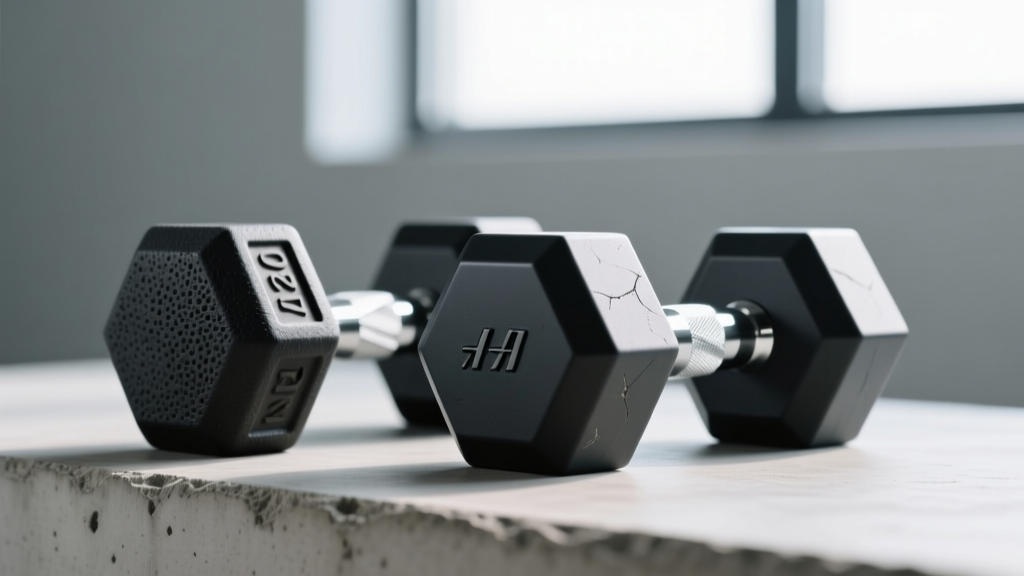
Beyond the One Arm Dumbbell: Olympic Barbell Weight & Knurling Guide
Upgrading from a one arm dumbbell? Our beginner guide breaks down Olympic barbell weight standards, knurling patterns, and steel types for your home gym.

Mastering the one arm dumbbell snatch, single-arm row, or unilateral overhead press is a rite of passage for any beginner. A single adjustable dumbbell can build serious foundational muscle, correct left-to-right imbalances, and forge a bulletproof core. However, as your strength outgrows your heaviest one arm dumbbell, you will inevitably hit a ceiling. To continue progressing in squats, deadlifts, and Olympic lifts, the Olympic barbell becomes your next essential investment.
Transitioning from the smooth, compact handle of a dumbbell to a seven-foot steel barbell introduces new variables that can confuse beginners. This step-by-step guide will walk you through the exact specifications, knurling patterns, and steel grades you need to know in 2026 to make a smart, long-term purchase.
Step 1: Understanding Olympic Barbell Weight and Dimensions
Unlike standard 1-inch barbells found in budget department stores, true Olympic barbells feature 2-inch (50mm) rotating sleeves designed to hold calibrated bumper plates. According to the International Weightlifting Federation (IWF), official competition bars must adhere to strict dimensional tolerances.
Men's vs. Women's Specifications
Choosing the right weight and shaft diameter is critical for joint health and grip comfort, especially when transitioning from dumbbell work.
- Men's Olympic Bar: Weighs exactly 20kg (44.09 lbs). The total length is 2200mm, with a shaft diameter of 28mm. This is the standard for most commercial and home gyms.
- Women's Olympic Bar: Weighs exactly 15kg (33.06 lbs). The total length is slightly shorter at 2010mm, and the shaft diameter is 25mm. The thinner shaft is significantly easier to grip for athletes with smaller hands, making the hook grip much more accessible.
Step 2: Decoding the Knurling Matrix
When you grip a rubber hex dumbbell, the texture is uniform and relatively mild. Barbell knurling—the diamond-patterned grooves machined into the steel shaft—is an entirely different beast. The depth and shape of the knurl dictate how the bar feels in your hands during heavy, sweaty sets.
The Three Primary Knurl Shapes
- Hill Knurl: Common on cheap, entry-level bars. The peaks of the diamonds are rounded off. It feels smooth and slippery when chalk is introduced. Avoid these if you plan to lift heavy.
- Mountain Knurl: Aggressive and sharp. The peaks are pointed like tiny mountains. While it provides immense grip for heavy deadlifts, it will tear your calluses to shreds during high-rep work.
- Volcano Knurl: The gold standard for modern premium bars. The peaks are slightly flattened with a small crater in the center, resembling a volcano. This design maximizes surface area for grip without acting like a cheese grater on your skin.
| Knurl Type | Aggressiveness | Best Application | Example Model |
|---|---|---|---|
| Hill | Low / Passive | Light conditioning, beginners | Generic Import Bars |
| Volcano | Medium / Optimal | All-around lifting, CrossFit | Rogue Ohio Bar |
| Mountain | High / Aggressive | Heavy Powerlifting (Deadlifts) | Rep Fitness Excalibur |
Center Knurling: To Have or Not to Have?
Powerlifting bars feature a center knurl to grip the back of your shirt during heavy squats. Olympic weightlifting bars omit it to prevent abrasion on the chest and neck during cleans and front squats. For a beginner building a versatile home gym, a mild center knurl or a no-center-knurl bar is usually the most comfortable choice.
Step 3: Steel Quality and Tensile Strength
The biggest failure mode of budget barbells is permanent bending. If you load a cheap bar to 300 lbs and drop it, it may warp and never return to a straight line. To prevent this, you must look at Tensile Strength, measured in PSI (pounds per square inch).
- Below 165,000 PSI: Avoid. Prone to bending and catastrophic failure under heavy loads.
- 165,000 - 180,000 PSI: Acceptable for beginners and light Olympic lifting.
- 190,000 PSI and above: The benchmark for high-quality, lifelong barbells. As detailed in the Rogue Fitness barbell engineering specifications, premium shafts are tested to withstand immense dynamic loads without permanent deformation.
Step 4: Bushings vs. Bearings (Sleeve Rotation)
When you transition from a static one arm dumbbell row to a dynamic barbell power clean, the sleeves of the barbell must spin independently of the shaft. If they don't, the rotational inertia will tear the bar out of your hands and wreck your wrists.
Bronze Bushings
Bushings are solid metal rings that provide a smooth, controlled spin. They are highly durable, require zero maintenance, and are perfect for slow, heavy powerlifting movements (squats, bench presses, deadlifts). They are also significantly cheaper.
Needle Bearings
Bearings use tiny steel needles to allow for a lightning-fast, frictionless spin. Premium manufacturers like Eleiko use high-grade needle bearings in their Olympic weightlifting bars. If your primary goal is the snatch and the clean and jerk, bearings are mandatory. If you are doing general fitness, bushings are more than adequate.
Step 5: 2026 Market Pricing and Model Recommendations
The fitness equipment market has stabilized in 2026, offering incredible value in the mid-tier sector. Here is a practical buying framework based on current pricing:
1. The Budget-Conscious Beginner ($180 - $240)
At this tier, expect 180k PSI steel, bushings, and a basic zinc finish. The Titan Fitness Olympic Bar or entry-level Bells of Steel options provide excellent value. The knurl will likely be a passive 'hill' shape, but it is a massive upgrade from standard 1-inch bars.
2. The Mid-Tier Sweet Spot ($300 - $380)
This is where you find the best bang for your buck. The Rogue Ohio Bar (Stainless Steel) retails around $345 and features 190k PSI steel and a perfect volcano knurl. Alternatively, the Rep Fitness Excalibur (approx. $329) offers an aggressive mountain knurl and Cerakote shaft options for rust prevention in humid garages.
3. The Elite Investment ($800 - $1,200+)
Reserved for competitive Olympic weightlifters. Bars like the Eleiko Olympic Weightlifting Bar offer proprietary Swedish steel, flawless needle bearings, and a knurl that feels like it was machined by watchmakers. It is a generational piece of equipment.
Step 6: Maintenance and Hand Care for Dumbbell Converts
When you spend years using rubber or urethane dumbbells, your hands develop calluses in specific areas. Gripping a knurled steel barbell shifts the friction points, particularly in the hook grip position (where the bar rests against the thumbnail and first knuckle).
- Invest in a Pumice Stone or Callus Shaver: Keep your calluses filed flat. Raised calluses will catch on the volcano knurl and rip off during heavy deadlifts.
- Use Chalk Wisely: Magnesium carbonate chalk fills the grooves of the knurl, enhancing grip. However, if left on the bar, it traps moisture and accelerates rust, especially on raw or zinc-finished bars.
- The Nylon Brush Routine: After every session, spend 30 seconds scrubbing the knurling with a stiff nylon brush to remove chalk and dead skin. Wipe the shaft down with a light coat of 3-in-One oil or mineral oil once a month to preserve the finish.
Final Thoughts on Your Equipment Evolution
Leaving the simplicity of the one arm dumbbell behind is a milestone in your lifting career. It signifies that your foundational strength is solid, and you are ready to handle the systemic load that only a barbell can provide. By prioritizing a 190k+ PSI tensile strength, selecting a volcano knurl for versatile grip, and choosing the correct shaft diameter for your hand size, you will secure a piece of equipment that will serve you for decades. Treat your barbell with respect, maintain the knurling, and watch your strength numbers soar.
More gear to consider
All reviews
Hex vs Urethane Dumbbells: Best Gear for Tricep Curls with Dumbbells

Power Rack vs Squat Rack vs Stand: 2026 Iron Grip Dumbbell Set Guide
Rubber Hex vs Urethane Dumbbells: Budget & Dumbbell Pendant Necklace
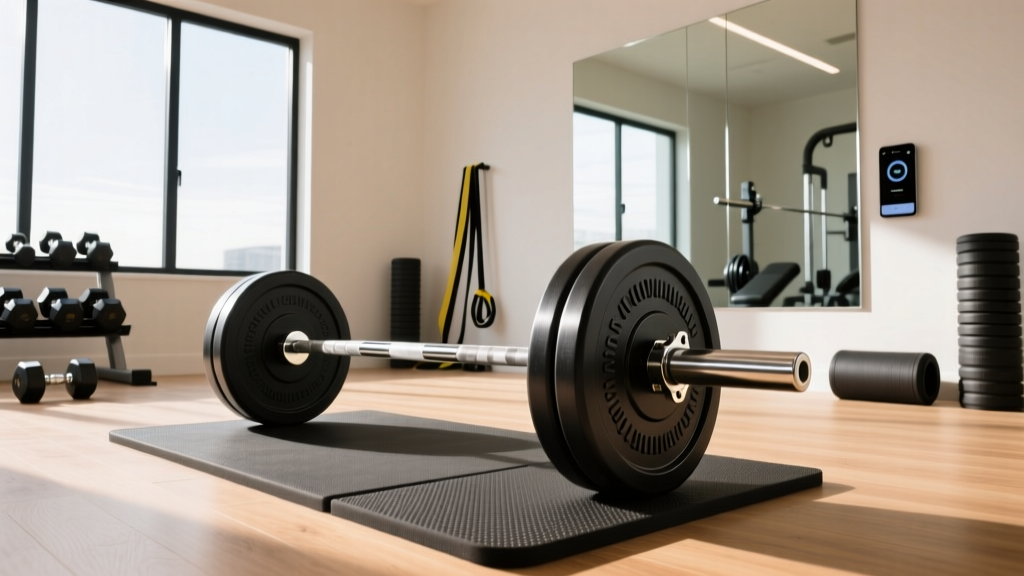
Beyond Pectoral Dumbbell Exercises: Olympic Barbell Knurling Guide
Rubber Hex vs Urethane for Dumbbell Shoulder Lifts: Value Analysis