
Adjustable Dumbbell Setup & Review: Dumbbell Row Muscles Worked
Master your adjustable dumbbell setup and compare top models. Learn how equipment ergonomics impact the dumbbell row muscles worked for maximum back gains.

The Biomechanics of the Pull: Why Equipment Design Matters
When outfitting a home gym in 2026, adjustable dumbbells are the undisputed kings of space efficiency. However, the vast majority of buying guides focus exclusively on pressing movements, completely ignoring the biomechanical demands of heavy pulling. To build a complete, injury-free physique, you must optimize your equipment setup for back training. Specifically, understanding the exact dumbbell row muscles worked is not just an anatomy lesson—it directly dictates the physical dimensions, handle ergonomics, and weight distribution you need from your adjustable dumbbells.
According to the ExRx Exercise Directory, the single-arm dumbbell row is a compound horizontal pull that primarily targets the latissimus dorsi, rhomboids, middle trapezius, and posterior deltoids, with the biceps brachii and brachioradialis acting as synergists. To fully engage these tissues, you require a deep stretch at the bottom of the movement. If your adjustable dumbbell is excessively long or poorly balanced, the weight blocks will strike the floor or your bench before your lats achieve maximum elongation, effectively robbing you of the most hypertrophic portion of the lift.
Targeting the Dumbbell Row Muscles Worked
The ACE Fitness Exercise Library emphasizes that scapular retraction and full elbow extension are non-negotiable for optimal back development. When using traditional hex dumbbells, the compact head allows the weight to drop inches from the floor. With adjustable models, the elongated weight trays can interfere with this range of motion. Therefore, selecting the right model and setting up your station with precise clearances is critical for targeting the intended dumbbell row muscles worked without compromising your form or risking lower back compensation.
Pro Tip: For heavy unilateral rows, grip fatigue often limits lat engagement. As noted in comprehensive form guides like the Men's Health Dumbbell Row Breakdown, utilizing lifting straps allows you to bypass forearm failure and focus entirely on the eccentric stretch of the latissimus dorsi.2026 Adjustable Dumbbell Comparison Matrix
Not all adjustable dumbbells are created equal, especially when subjected to the lateral forces and clearance requirements of heavy rowing. Below is a detailed comparison of the top three models on the market, evaluated specifically through the lens of pulling mechanics and setup requirements.
| Model | Total Length | Handle Ergonomics | Max Weight (Per DB) | 2026 Avg. Price (Pair) | Row Suitability |
|---|---|---|---|---|---|
| Nuobell 80lb | 13.5 inches | Knurled steel, authentic feel | 80 lbs | $449 | Excellent (High clearance) |
| PowerBlock Elite EXP | 12.0 inches | Caged, 6.5" width | 90 lbs (w/ kit) | $379 | Good (Wrist clearance issues) |
| Bowflex SelectTech 552 | 15.75 inches | Smooth rubber, bulky | 52.5 lbs | $349 | Fair (Hits floor early) |
Deep Dive: How Dimensions Affect the Stretch
The Bowflex SelectTech 552 is a fantastic tool for lateral raises and presses, but its 15.75-inch length is a major liability for the dumbbell row muscles worked. For an athlete of average height (5'9") using a standard 17-inch high flat bench, the Bowflex weight blocks will physically collide with the floor before the elbow reaches full extension. This cuts off the bottom 20% of the range of motion—precisely where the lower latissimus dorsi experiences maximum mechanical tension.
Conversely, the Nuobell 80lb mimics the footprint of a traditional 50lb hex dumbbell. Its 13.5-inch length allows for a full, unobstructed stretch, making it the superior choice for serious back training. The PowerBlock Elite EXP solves the length issue (12 inches) but introduces a new problem: the caged design. During heavy rows, the lateral cage bars can press uncomfortably against the flexor carpi radialis and ulnar wrist structures, forcing you to alter your grip angle and potentially shifting tension away from the back and into the forearm.
Complete Setup and Installation Walkthrough
Owning premium adjustable dumbbells is only half the battle. Improper installation and station setup will lead to mechanism failure and suboptimal lifting angles. Follow this exact walkthrough to calibrate your equipment for heavy pulling.
Step 1: Base Surface Calibration
Adjustable dumbbell trays require a perfectly rigid, level surface to function. The internal locking pins of the Nuobell and the dialing tracks of the Bowflex operate on tolerances of less than 3 millimeters.
- Ditch the Carpet: Never place the trays directly on plush carpet. The downward force of racking a 80lb dumbbell will compress the carpet pad, warping the plastic tray and causing the dial to jam.
- Install a Mat: Lay down a 3/4-inch vulcanized rubber horse stall mat (Shore A hardness rating of 70+). This provides the necessary impact absorption without compromising structural rigidity.
- Level the Tray: Use a 12-inch torpedo level across the tray lips. If your floor is uneven, use heavy-duty rubber shims under the tray base until it sits perfectly flat.
Step 2: Bench Positioning and Clearance
To maximize the dumbbell row muscles worked, your bench setup must accommodate the specific dimensions of your chosen dumbbell.
- Standard Bent-Over Rows: Position a flat bench (17" height) horizontally. Ensure you have at least 24 inches of clear floor space on the working side to allow for a full arm hang without the weights grazing the bench legs.
- Chest-Supported Incline Rows: Set an adjustable bench to a 30-degree or 45-degree incline. This variation eliminates lower back momentum and isolates the rhomboids and mid-traps. Ensure the bench's rear stabilizer bar does not protrude into the path of the hanging dumbbell.
Maintenance and Edge-Case Troubleshooting
Even with perfect setup, heavy rowing generates unique wear patterns. The lateral swinging motion of a row can cause internal dust accumulation and pin misalignment. Here is how to troubleshoot the most common failure modes in 2026 models.
Bowflex SelectTech: Dial Jamming
The Issue: After heavy rows, sweat and chalk dust fall into the dial crevices. The dial turns, but the weight stack remains stuck at 25 lbs.
The Fix: Do not force the dial. Turn both dials to the maximum setting (52.5 lbs). Lift the dumbbell out of the tray, gently tap the base plate against your rubber mat to dislodge debris, and carefully lower it back into the tray. Turn the dials down to 2.5 lbs to reset the internal locking tabs.
Nuobell: Handle Slipping During the Concentric Pull
The Issue: You initiate the row, but the handle twists slightly in your grip, and the weight plates disengage mid-rep.
The Fix: This occurs when the cradle guide rails accumulate chalk, preventing the handle from seating 100% into the locking groove. Use compressed air to blow out the cradle rails. Apply a micro-drop of dry lithium grease to the central selector pin. Never use WD-40, as it attracts dust and will permanently gum up the twisting mechanism.
PowerBlock: Wrist Pinching on the Eccentric
The Issue: The caged design pinches the skin on the back of your hand when you reach the bottom stretch of the row.
The Fix: Wear neoprene wrist wraps or use thick leather lifting straps. This creates a 3mm buffer between your skin and the steel cage bars, allowing you to focus entirely on the eccentric contraction of the lats without pain distraction.
Final Thoughts on Your Pulling Setup
Building a powerful, aesthetic back at home requires more than just buying the heaviest adjustable dumbbells you can find. It requires a meticulous approach to equipment selection, surface calibration, and an intimate understanding of the dumbbell row muscles worked. By choosing a compact model like the Nuobell, calibrating your tray on a high-density rubber mat, and maintaining your selector pins, you will create a pulling station that rivals any commercial gym setup. Train smart, respect the mechanics, and watch your lats grow.
More gear to consider
All reviews
Budget Dumbbell Racks for the Dumbbell Romanian Dead Lift (2026)

EZ Curl Bar vs Straight Bar & Dumbbell Lateral Raises GIF Guide

How to Setup for Weight Squats With Dumbbells: 2026 Adjustable Guide

Bumper Plate vs Iron Plate: Budget Breakdown for Dumbbell Bench Press
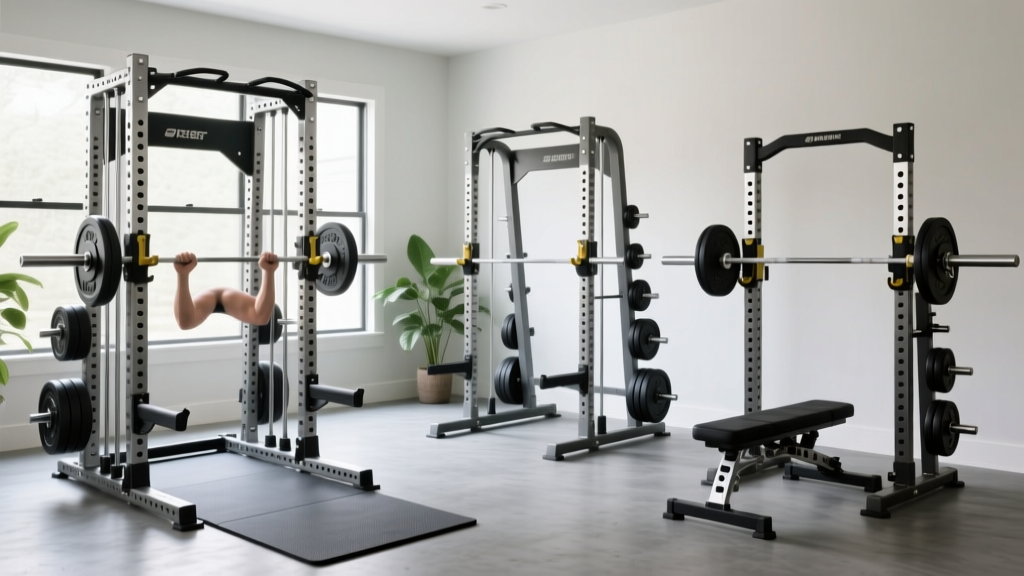
Power Rack vs Squat Rack vs Stand: Beyond the Bar Dumbbell Phase
